

Trending
- VALR sets sights on East Africa as blockchain moves deeper into Africa’s financial system
- The cost of the data gap: Why Kenya’s lenders can’t afford to miss the full picture
- Tanzania takes EAC labour migration helm as regional rules face overhaul
- 2026 is turning out as a defining year in geopolitics, but for whom?
- Saudi Arabia and Tanzania pledge to deepen bilateral trade ties
- Tanzania rewrites its digital investment playbook
- Ethical sourcing boosting demand for Tanzania organic cotton
- DRC deploys 70,000 Ebola vaccine doses in high-stakes trial against deadly Bundibugyo strain


Browsing: Africa Food Security
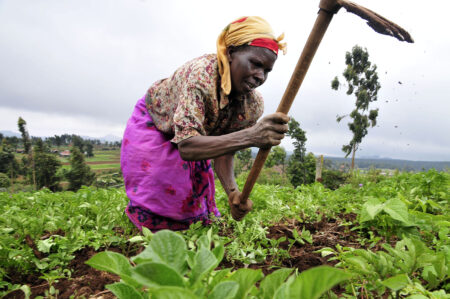
Tanzania has food surplus and is now exporting to neighbours. This raises hope that the fight against hunger and malnutrition…

The Food and Agricultural Organization (FAO) says food production across Africa is stubbornly low. Households across Sub-Saharan Africa spend roughly…
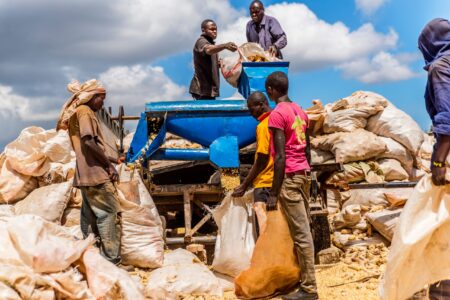
In an escalation of geopolitical tension, Russia has pulled a power move, ending the Black Sea Gran Initiative. To what…
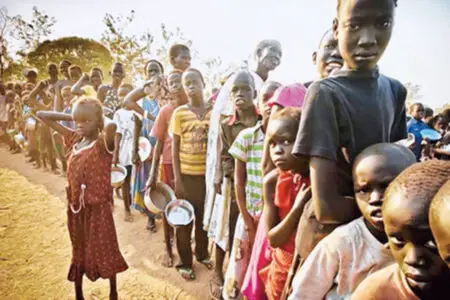
Over 20 million children in the Horn of Africa will suffer severe hunger, thirst and disease in 2023 Africa food…
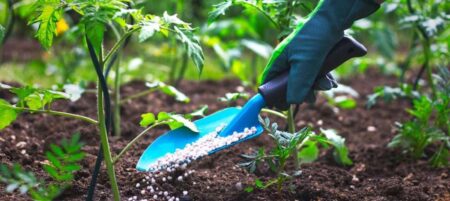
Africa produces more fertilizer than it consumes yet it imports to meet demand gaps Poor inter-country trade facilities affect fertilizer…
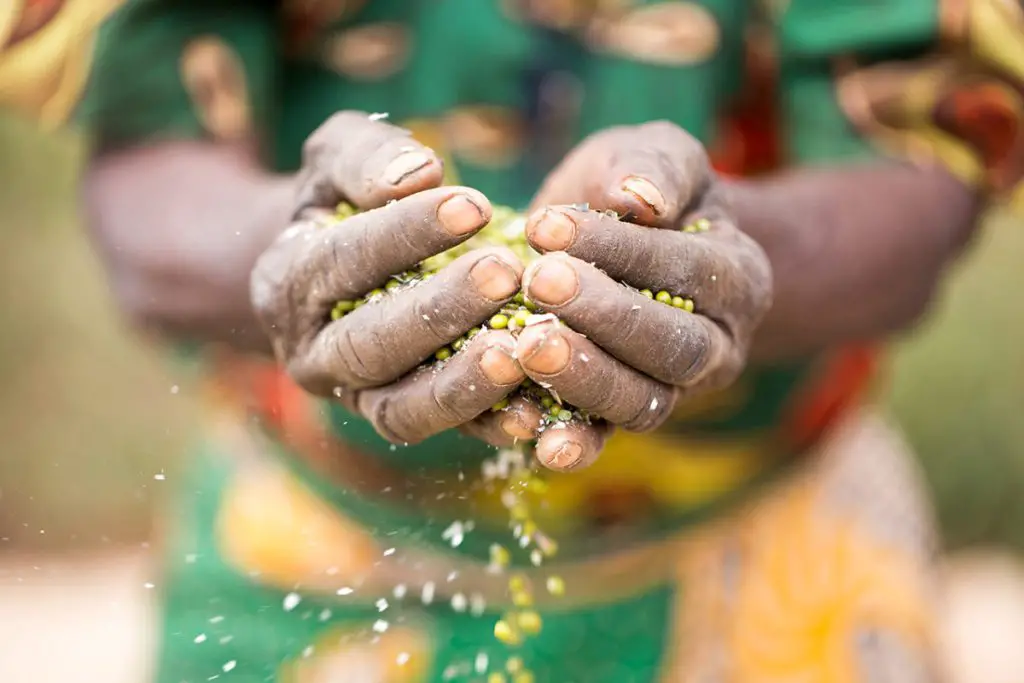
Worse still, the institute points to a much deeper conspiracy to force African farmers to buy agro-inputs from large corporations. In its report, the Oakland Institute says AGRA ‘imposes a regime in which farmers lose power over their own seeds and are forced to buy them back from large corporations year after year.’
“This system may also contribute to the marginalization of women.9 million smallholder farmer households, who are witnessing increased food security through AGRA’s direct interventions,” reads the report in part.
Then there is the matter overarching matter of climate change. The Food and Agriculture Organization (FAO) warns that the use of synthetic nitrogen fertiliser will increase nitrous oxide emissions, which increase the atmospheric temperature significantly.
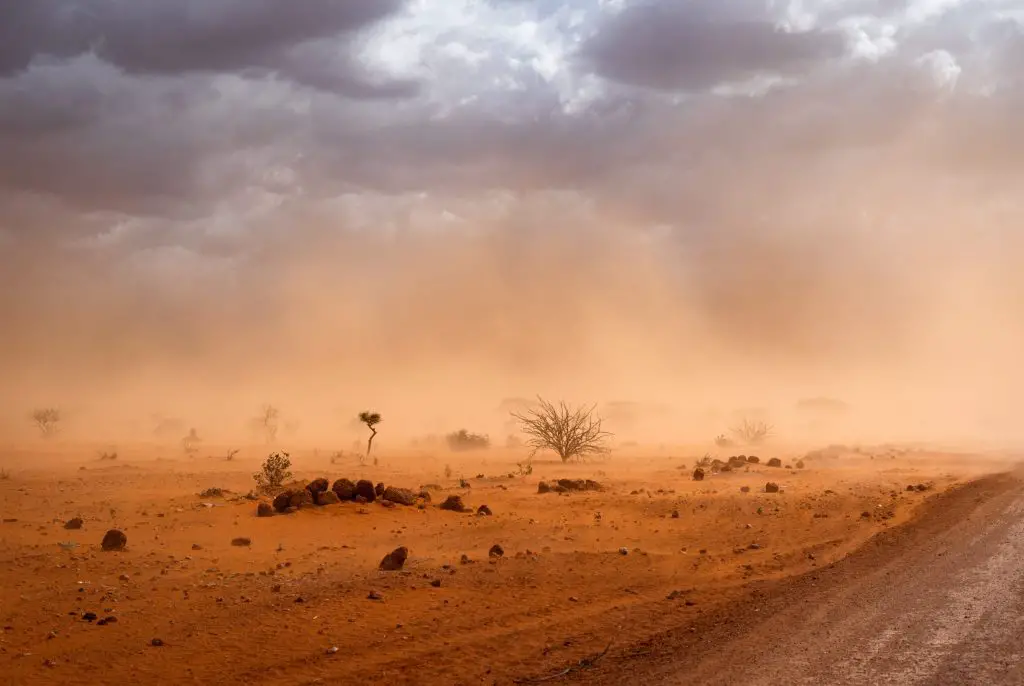
Changes in the global food chain provide essential opportunities to enhance the profile of integrated thinking in Africa. Because these measures will benefit the whole planet, a collective responsibility remains necessary. Landscape-based initiatives and the scaling out of agro-ecological systems and restorative agriculture must be prioritized by African member states.
There should be cross-border collaborations in critical landscapes. Non-African partners and enterprises must also invest in regional systems strategies, focusing on yield and advancing all ecological systems. As investment in Africa’s agricultural industry grows, steps must be taken to avoid negative environmental consequences.
Everyone wants to live in a world with a healthy planet and people and planet. In Africa, this means people with access to healthy diets, economic growth, and development possibilities while interacting with the continent’s unique natural environments.

Despite poor irrigation systems, extreme weather conditions and soil quality becoming the case for wheat importation instead of farming it, countries such as Tanzania and Kenya are amping up their farming systems.
Tanzania’s irrigation area has risen to more than 727,000 hectares from around 625,000 in 2021. The nation has built silos in Burundi, Kenya and Congo, easing up supply and trade of crops across the regions. Kenya, East Africa’s leading economy and among Africa’s top four in fintech is leveraging modern financial technology to enhance commercial agriculture practices.
Utiliser application is a challenge, and the nation is striving to assist farmers in adapting to new tech by offering subsidies to ensure productivity is restored, while Uganda is striving to level up the playing field for farmers to access and adopt low-cost irrigation and climate-smart agriculture systems. On the same note, it also intensifies the functions of the entire agriculture value chain by empowering small and medium agri-businesses with capital.
Though not an overnight project, Africa can realise the sustainable and relevant adoption of low-cost irrigation and climate-smart agriculture systems, which will arguably transform food production systems and farmers’ economies.