


Trending
- Africa’s Green Economy Summit 2026 readies pipeline of investment-ready green ventures
- East Africa banks on youth-led innovation to transform food systems sector
- The Washington Accords and Rwanda DRC Peace Deal
- Binance Junior, a crypto savings account targeting children and teens debuts in Africa
- African Union Agenda 2063 and the Conflicts Threatening “The Africa We Want”
- New HIV prevention drug is out — can ravaged African nations afford to miss it?
- From banking to supply chains, here’s how blockchain is powering lives across Africa
- Modern railways system sparks fresh drive in Tanzania’s economic ambitions


Browsing: Africa investments

Yield-chasing investors have poured money into Africa, but an emerging, recent challenge for the continent is that in a now higher interest rate environment, investors don’t need to come to Africa to find higher returns.
Even US treasuries are now yielding far more attractive yields than just a month ago: three-month government bonds offer 5.32 per cent, while 2-year bonds offer a yield above five per cent. Yields have risen in part in response to Fitch’s recent downgrade of the US from AAA to AA+, echoing S&P’s move in 2011.
African bond issuers, spooked by the high-interest rate environment and refusing to issue bonds above the psychological barrier of double-digit yields for Sub-Saharan African bonds, continue to wait it out on the sidelines.
One of the features that make the property unique as an investment is that it has a high unit value in comparison to other investments.
A nominal amount like ZWL$1,000.00 can buy an individual investor shares of a publicly listed company on the ZSE and the same amount in US dollars can purchase a decent number of shares through an offshore brokerage account.
This is not usually the case with real estate. There is very little an individual investor can do with ZWL$1,000.00 in terms of direct property investment, at least in the conventional sense.
Even with access to mortgage finance, an investor will also tend to be limited by their credit standing in terms of the funds that they can deploy into property investments.
These prospective customer circumstances have provided the proverbial “ace” which Capitec has played very successfully during its 21 years of existence.
Capitec’s success is attributable largely to the leadership of one man Stassen and the support of his team. Stassen for his part is not a traditional banker, he was during his time at the helm of the bank an even more unconventional CEO.
In his own words, he is non-hierarchical, consultative, and often informal in his approach. By his own admission, he is not a natural reader but said that he learns a lot from observation… Typically the average chief executive is said to read at least 52 books a year… but then Stassen was not an average CEO.
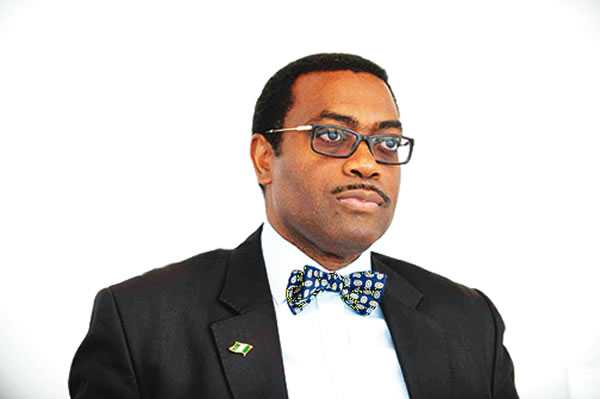
Africa’s economies are growing strongly, but growth alone cannot meet the needs of the continent’s poorest citizens, because “nobody eats…
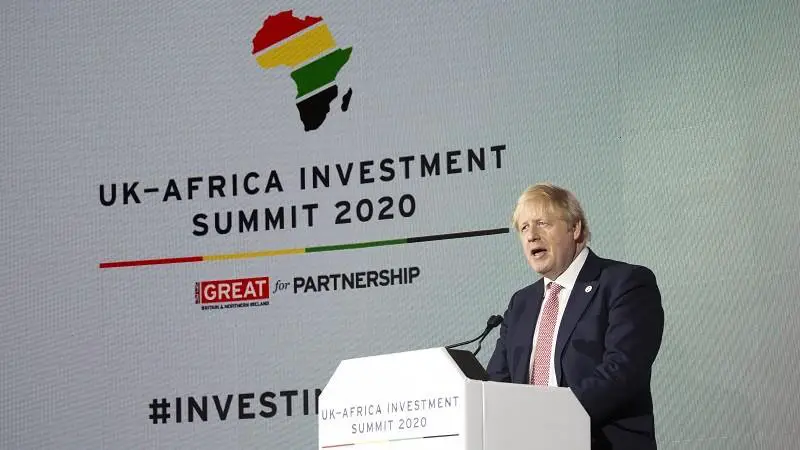
The UK-Africa Investment Summit held on Monday saw attendance from dignitaries and delegates from 16 African countries, including President El…
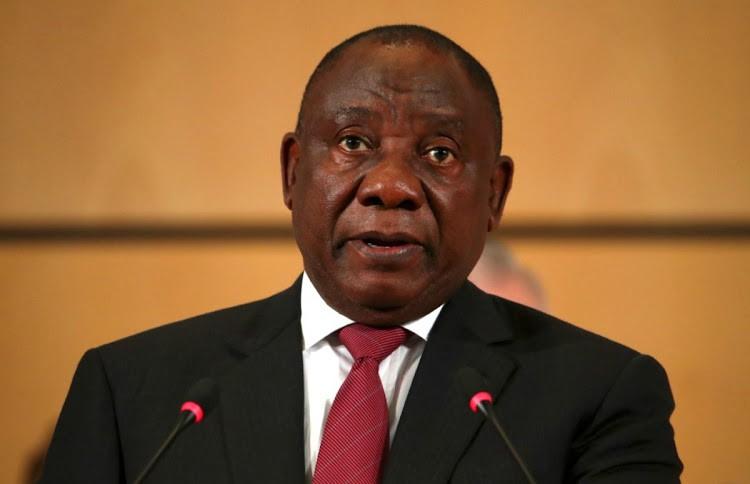
There has never been a better time to invest in Africa, says South African President Cyril Ramaphosa. He said the…

Bottom and top hospitality investment markets in Africa as shared by Wayne Troughton of HTI Consulting. According to Troughton, the…