


Trending
- Africa’s Green Economy Summit 2026 readies pipeline of investment-ready green ventures
- East Africa banks on youth-led innovation to transform food systems sector
- The Washington Accords and Rwanda DRC Peace Deal
- Binance Junior, a crypto savings account targeting children and teens debuts in Africa
- African Union Agenda 2063 and the Conflicts Threatening “The Africa We Want”
- New HIV prevention drug is out — can ravaged African nations afford to miss it?
- From banking to supply chains, here’s how blockchain is powering lives across Africa
- Modern railways system sparks fresh drive in Tanzania’s economic ambitions


Browsing: African Development Bank

The most significant concern is Africa’s susceptibility to growing inflation in developed and developing economies, given the continent’s reliance on imports.
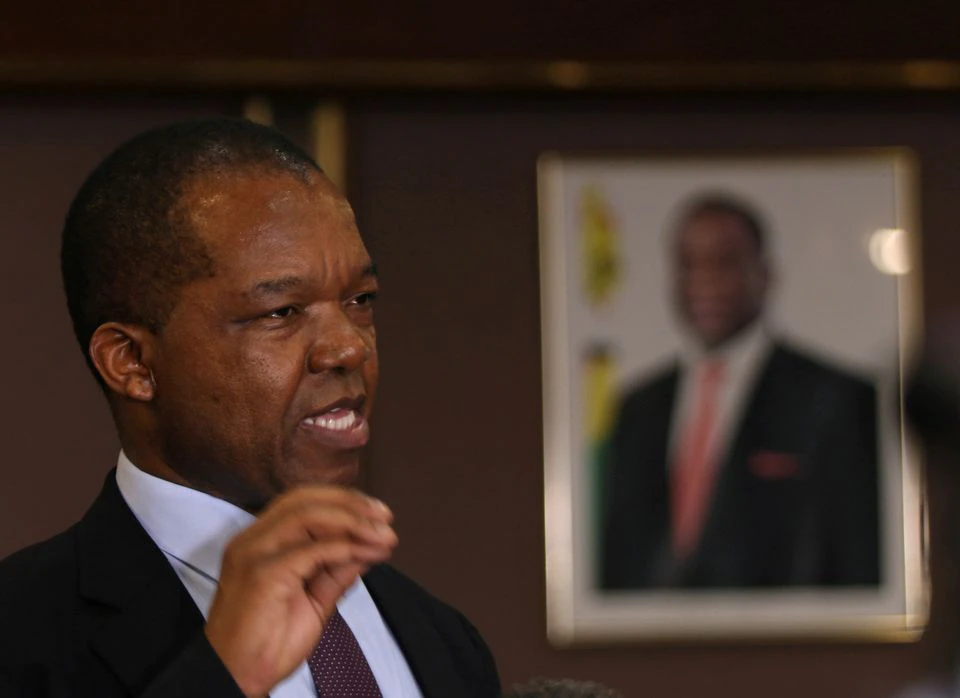
Zimbabwe’s Central Bank said the increase in its policy rate to 200 per cent from 80 per cent will take effect from July 1 after annual inflation hit almost 192 per cent this month.
The benchmark interest rate was last raised to 80 per cent in April from a previous 60 per cent.
“The committee noted that the increase in inflation was undermining consumer demand and confidence and that, if not controlled, it would reverse the significant economic gains achieved over the past two years,” central bank governor Dr. John Mangudya said.
The latest figures from the Zimbabwe National Statistics Agency (ZIMSTATS) showed Saturday that the country’s annual inflation rate reached 191 per cent in June. A new blow to the purchasing power of Zimbabweans, stoking fears of a return to the 2008 hyperinflation period where savings were wiped out.
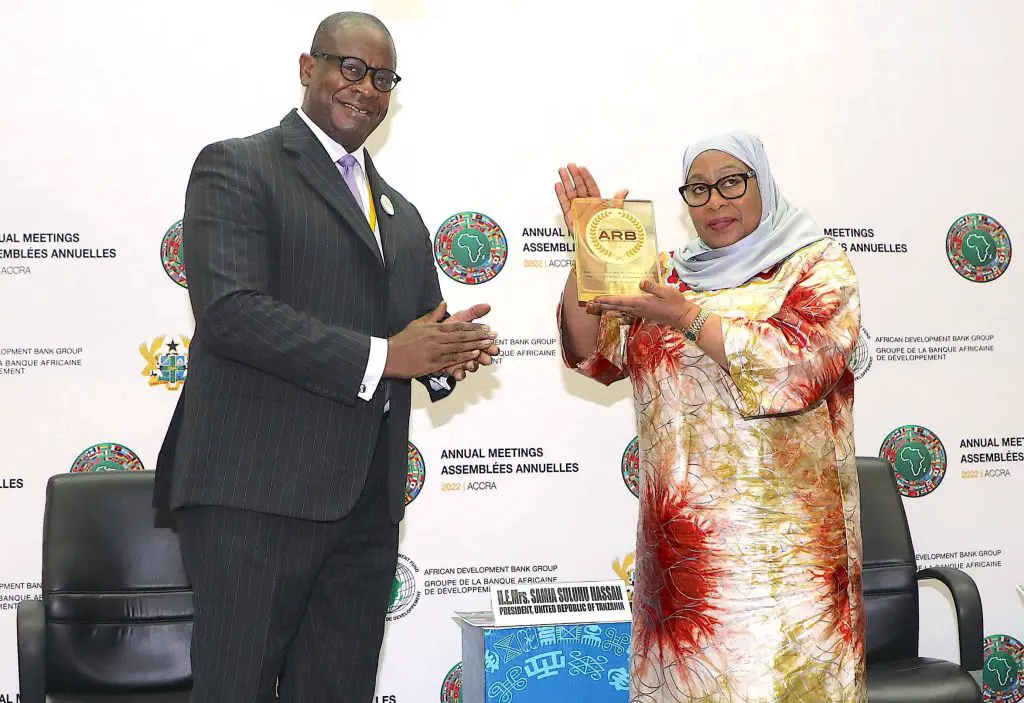
Last year, the Board of Directors of the African Development Fund (AfDB) approved another loan of around $116 million to Tanzania for the upgrade of a 160-km road corridor in the southern part of the country.
This enormous funding by the Bank actually served to cover 98.71% of the project cost; while the remaining 1.29% was met by the government of Tanzania. It is expected that the AfDB will continue funding Tanzania’s road works and other transport infrastructure especially given the country’s strategic geographical location.
Tanzania is the gateway into Africa’s interior and it is also the way out to the rest of the world via the Indian Ocean.
In Tanzania, it is the Tanzania National Roads Agency (TANROADS) is responsible for the improvement of road maintenance and development. The Agency is responsible for the management of 35,000 Km of roads made up of 12,786 Km of trunk roads and 22,214 Km of regional roads.
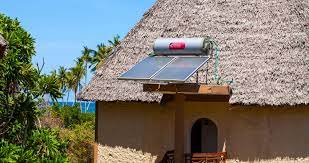
Tanzania’s Government is scheduled to open the 2022 Tanzania Energy Congress (TEC) this August in the country’s commercial port city…
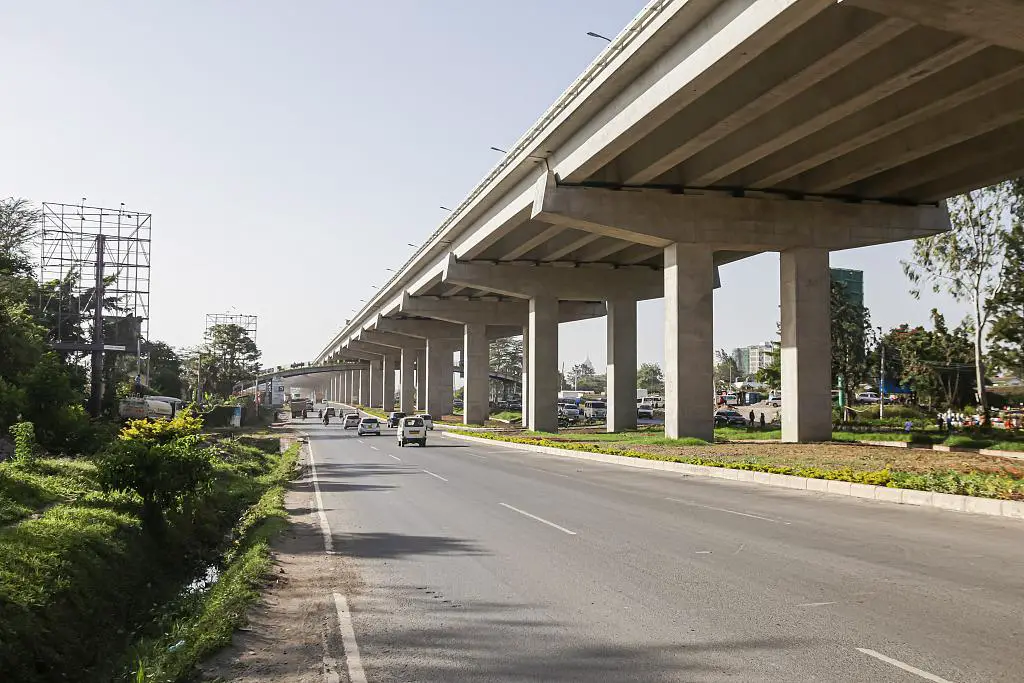
Most African countries lag behind the rest of the world in the coverage of key infrastructure classes including energy, road and rail transportation, together with water infrastructure. Development of Africa’s infrastructure has been met by colossal roadblocks, which have largely stemmed from the endemic systemic corruption that continues to ail the continent, making it one of the biggest hurdles to development. Consequently, this has made attracting foreign investment a nightmare.
This further affirms the description by McKinsey and Company that the continent faces an infrastructure paradox whereby Africa’s track record in moving projects to financial close is poor. Despite the high demand for projects, sufficient supply of capital and investors, coupled with voluminous potential projects there is insufficient investment in infrastructure projects within the region.
Presently, more than two-thirds of the global population without access to electricity is in Sub-Saharan Africa, which is an equivalence of 600 million people. For instance, in Mali, the average person uses less electricity in a year overall, than a Londoner uses to just power their tea kettle. In addition, with the population bulge, forecasts reveal that Africa’s demand for electricity will quadruple between 2010 and 2040.

With numerous international companies and organizations operating in Tanzania’s rural areas, input by this sector has huge direct impact on the related communities.
Support ranges from digging of wells to funding irrigation and smart agriculture projects. There is also the matter of lack of adequate financing and poor sanitation all of which gravely hold back social and economic growth across the country.
Also, as the minister pointed out, through CSR, companies have the opportunity to help the government increase water supply by digging wells for rural communities and by protecting water catchment areas in places they operate.
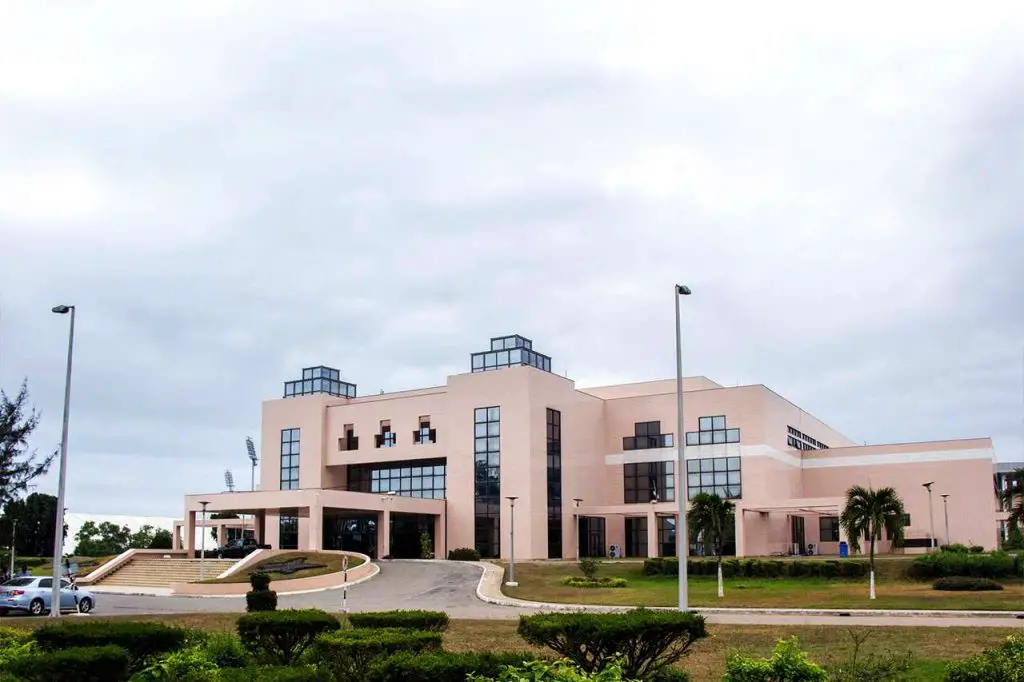
The annual meeting for the African Development Bank Group will be held in Accra, Ghana, from May 23-27, 2022 The…
Detailing on the source of the funding and its uses, the president said the US$100 million (over TShs230 billion) is from the International Monetary Fund (IMF) as a loan to Tanzania, and another US$100 million is for the Isles.
“The IMF fund will be directed to health, education, water and power sectors, as well as economically empowering wananchi (citizens/the public),” local media quoted President Mwinyi.
The president went ahead and gave a very detailed explanation of the planned use of the funding detailing each sector and the allocated amount and then he got to the part about funding to support businesses.
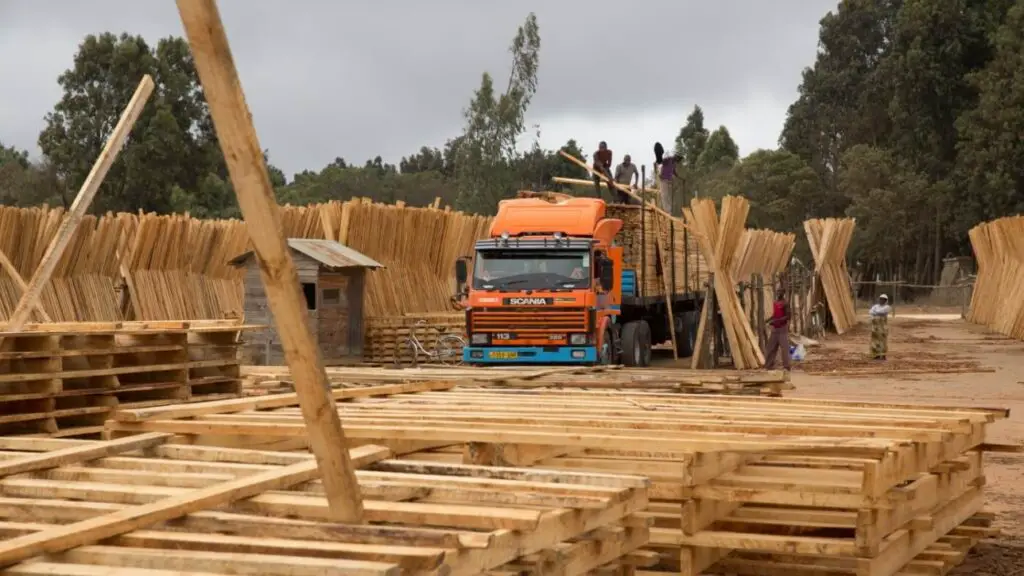
To discourage the use of firewood and charcoal, the European Union (EU) has committed to fund renewable energy solutions specifically designed to set up and support a sustainable cooking solution program.
EU Head of Delegation to Tanzania, Ambassador Manfredo Fanti announced the EU led program late last year in the capital, Dodoma. At the launch, the diplomat said the initiative is part of the EU’s efforts to mitigate climate change through the use of renewable energy solutions for cooking.
However, what is interesting here is that increase in the use of firewood and charcoal is not in rural Tanzania but in the urban centres.
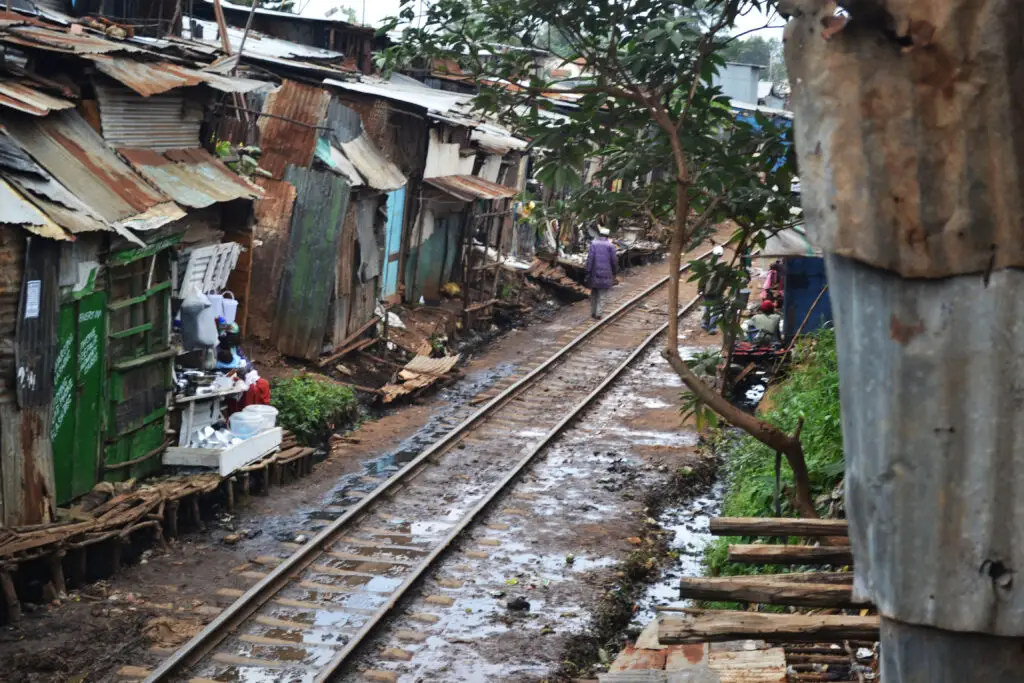
When the Head of the African Continental Free Trade Area Secretariat told an executive panel in Washington, DC the fact…