


Trending
- Africa’s Green Economy Summit 2026 readies pipeline of investment-ready green ventures
- East Africa banks on youth-led innovation to transform food systems sector
- The Washington Accords and Rwanda DRC Peace Deal
- Binance Junior, a crypto savings account targeting children and teens debuts in Africa
- African Union Agenda 2063 and the Conflicts Threatening “The Africa We Want”
- New HIV prevention drug is out — can ravaged African nations afford to miss it?
- From banking to supply chains, here’s how blockchain is powering lives across Africa
- Modern railways system sparks fresh drive in Tanzania’s economic ambitions


Browsing: Agenda 2063

When the African Union announced Agenda 2063 in 2015, it was touted as Africa’s most ambitious road map yet. It…

At AfDB annual forum, policymakers note that Africa must roll out policies that enable its capital—both financial and human—to work…

The AU Summit 2024 is taking place in Addis Ababa, Ethiopia. The AU Summit 2024 has brought together the Committee…

Increased investments in agri-business will see Agriculture Technology (Agri-Tech) in Africa record massive growth. The food security crisis has ravaged many African countries. Consequently, the situation has attracted investor interest. This has instigated a digital revolution promoting the Agri-tech start-up ecosystem. Agri-tech startups remain instrumental in developing the agribusiness sector. The sector wields enormous economic potential for the continent.
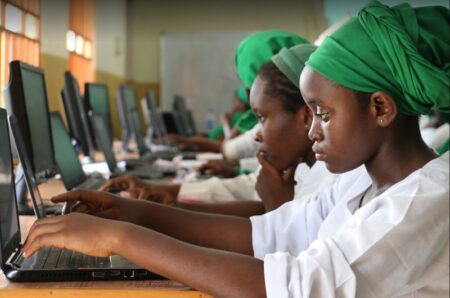
Girls remain grossly underrepresented in Science, Technology, Engineering, and Mathematics education courses, especially in tertiary institutions and consequently in related…
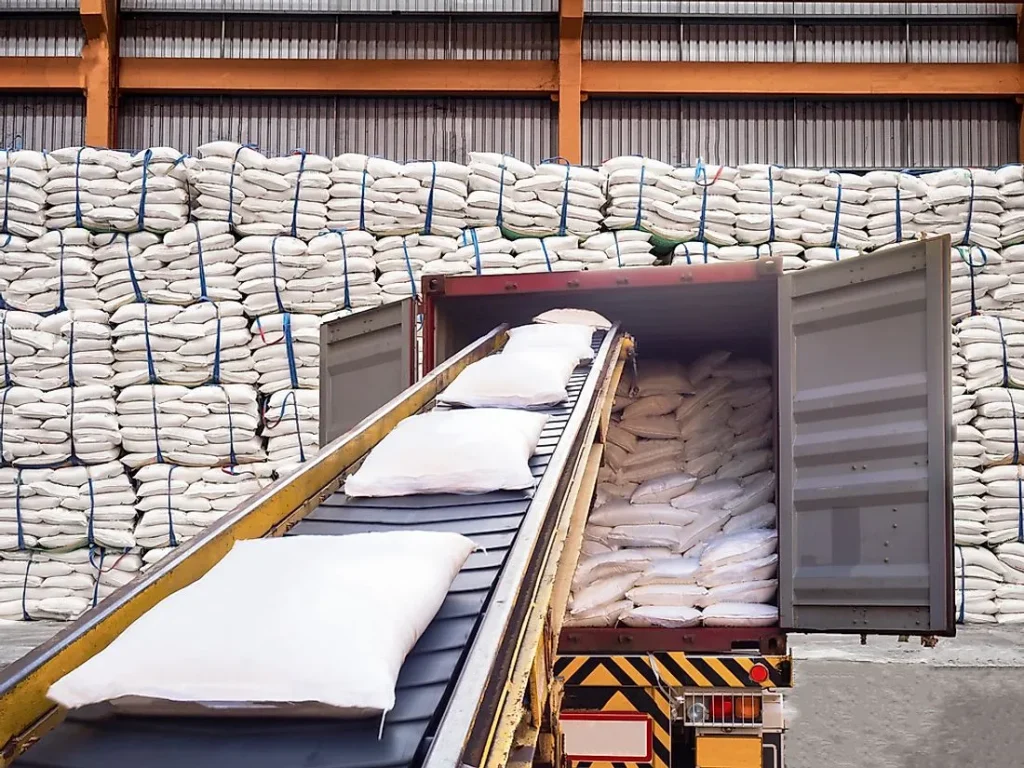
A balanced meal, three times a day, a basic need few in Africa can afford. A three-course meal, a luxury…
Albeit marred with difficulties, green manufacturing in Africa is possible and the continent stands to greatly benefit from the transition. It will promote inclusive economic transformation through domestic manufacturing and a commodity-based industrialization process, capitalizing on the continent’s resources and opportunities presented by the dynamic nature of the global structure of production.
Green industrialization has been identified as the holy grail of Africa’s socio-economic transformation; infusing green initiatives into value chain activities for instance, during sourcing and processing of raw materials to the marketing and selling of finished products. The Economic Commission for Africa (ECA) economic report on Greening Africa’s Industrialization, deduces that it is imperative for African countries to identify green industrialization entry points, set policies that support green industrialization and mobilize resources from the public and private sectors, as it is a precondition for sustainable and inclusive growth.

The cornerstone of a successful trade is the efficient distribution of goods from the source to all points of sale. As such, cultivating logistics and distribution channels is necessary for the successful implementation of the African Continental Free Trade Area (AfCFTA).
The continent is made up of over 50 different countries whose levels of development vary vastly. Each country needs to seek its solutions locally, but governments need to come together to improve intra-African trade and cross-border co-operation.
AfCFTA will undoubtedly be a breakthrough in reducing the cost of shipping in Africa and improving efficiency. The amount of time that will be spent on customs clearance is set to drop drastically. Currently, it takes more than a week at one-border stops in some countries.

Africa’s tech habitude is on the rise. Internet usage has risen significantly on the continent. On top of that, the advent of the coronavirus pandemic accelerated the prospect of growth in the digital sphere. E-commerce is one such opportunity that affords businesses access to broader market opportunities in every arena. According to McKinsey, a worldwide consulting firm, the e-commerce industry in Africa is expected to grow to a $75 billion industry by 2025.
E-commerce is growing. It is accelerated by a growing and youthful population that is increasingly exposed and has an appetite for greater efficiency and improvement of business to first-world standards. The African diaspora has also contributed to this growing demand as people have become more exposed to what is going on around the world. Technology itself dissolves existing borders and opens up trade regionally and internationally.
The African continent is wealthy with vast mineral resources, which are 30% of the world’s total mineral reserves. Ninety percent…