
Trending
- East Africa banks on youth-led innovation to transform food systems sector
- The Washington Accords and Rwanda DRC Peace Deal
- Binance Junior, a crypto savings account targeting children and teens debuts in Africa
- African Union Agenda 2063 and the Conflicts Threatening “The Africa We Want”
- New HIV prevention drug is out — can ravaged African nations afford to miss it?
- From banking to supply chains, here’s how blockchain is powering lives across Africa
- Modern railways system sparks fresh drive in Tanzania’s economic ambitions
- Viktoria Ventures honoured for advancing angel investing across Africa


Browsing: Aliko Dangote
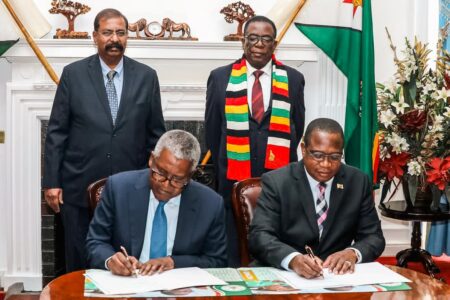
In $1 billion bold commitment, Aliko Dangote eyes cement production, energy generation, fertilizer plant, and a massive 2,000-km oil petroleum…

Afreximbank has signed a $1.35 billion loan financing for Dangote Industries Limited (DIL) as part of a larger $4 billion…
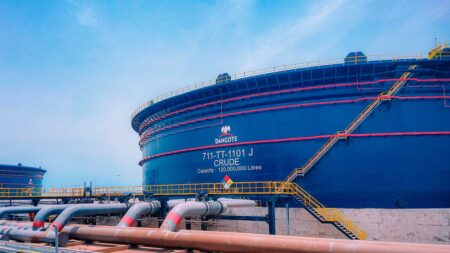
This [gasoline production] will eliminate all fuel queues in Nigeria. This will improve the health of everybody. This will also…

South African Johann Rupert has overtaken Dangote, becoming Africa’s richest person in a move that highlights the tectonic shifts sweeping…

The construction took over 20 years and bears a processing capacity of 650,000 barrels per day 250,000 per day…
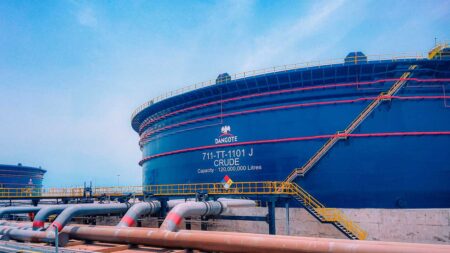
This initial batch is designed to sustain the facility’s ambitious goal of processing 350,000 barrels per day during its initial…
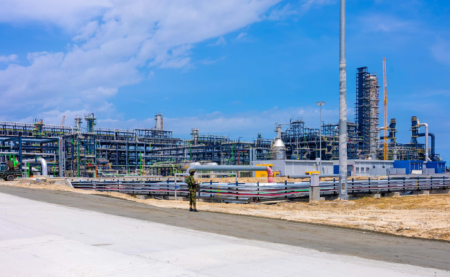
The Nigerian government has taken various steps to address the persistent fuel shortages, including rehabilitating the country’s refineries, the establishment of new refineries, and promoting private sector investment in the downstream sector. However, progress has been slow, and the problem persists. However, the Dangote oil refinery’s boost to Nigeria’s oil refining capacity should help the government in its quest to address the persistent fuel shortages and end the energy sector crisis.
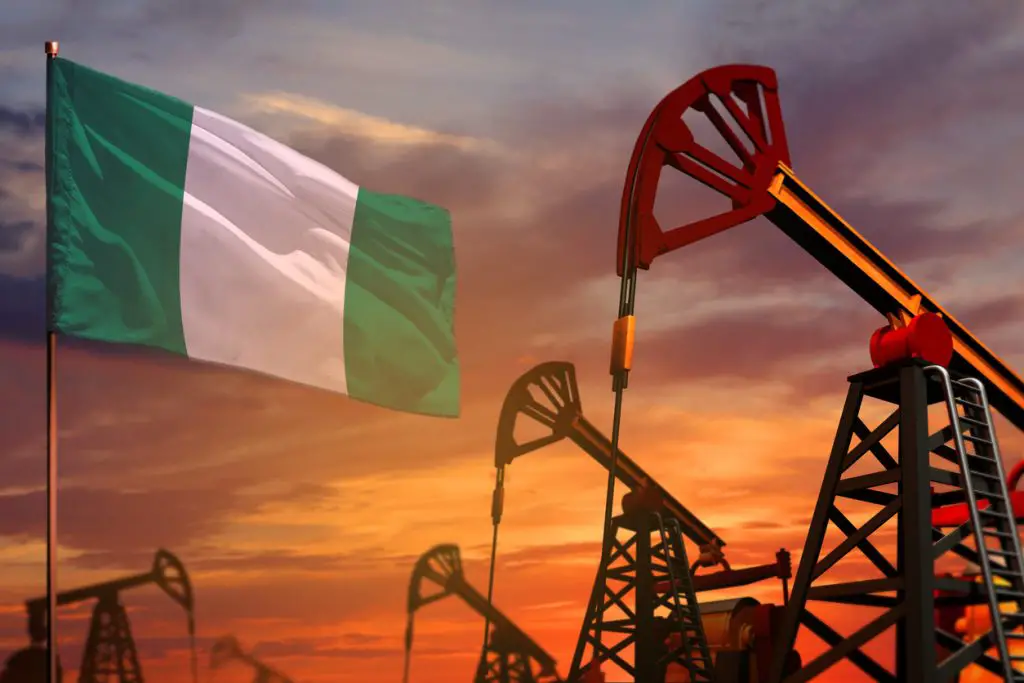
There is still plenty to accomplish. Even after a year, the PIA is still in a transitional period, with committees deliberating its practical implications. One seasoned Nigerian expert questioned how much the NNPC would change due to its transition into a limited liability corporation. Still, post-PIA data suggests that Nigeria’s oil and gas industry may be moving in the right direction.
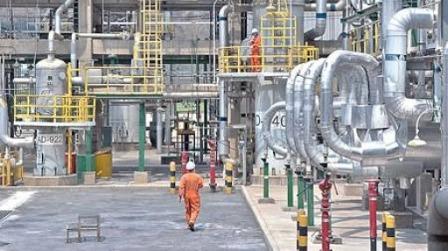
President of Dangote Group, Aliko Dangote in his speech described the new plant as a game changer, as it can make Nigeria self-sufficient in fertilizer production, with spare capacity to export to other markets in Africa and the rest of the world.
While Dangote’s initial export targets were primarily Africa, current market realities mean there is increasing demand from outside the continent. Orders have come from far-flung places in the US, Brazil, Mexico, India, and the EU according to an article by African Business published on May 5, 2022.
According to the World Bank, the proximity of the new fertilizer plant offers a critical window of opportunity for Benin policymakers and the private sector to engage their Nigerian counterparts within the frameworks of the Economic Community of African States (ECOWAS), the African Continental Free Trade Agreement (AfCFTA) and other bilateral agreements to source fertilizer inputs for its farming population to increase food production and meet increasing regional demand for food products. This will make it easier for African countries to improve food production.
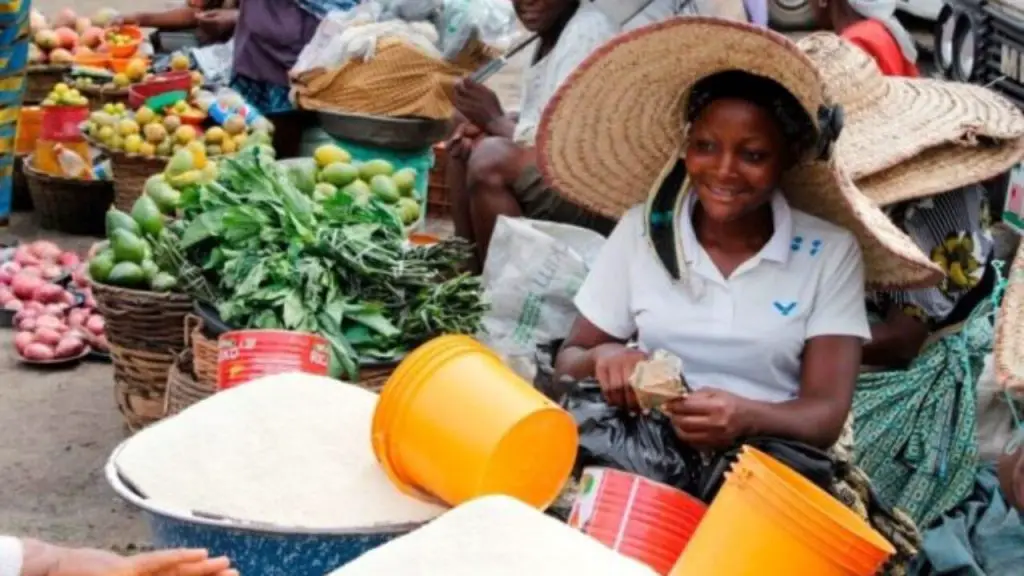
Rising costs have remained a critical issue in the aftermath of the outbreak. Data from the World Bank/NBS Nigeria – COVID-19 National Longitudinal Phone Survey 2020 reveals that food prices rose rapidly following the pandemic. In March and April, basic food commodity prices increased by 17.2 per cent and 18.37 per cent, respectively. According to the National Bureau of Statistics (NBS), the rise remains the highest in two years.
Recent findings based on comprehensive and long-term monthly food price data have revealed considerable price rises for all chosen food categories during the pandemic. Imported rice and wheat costs, for example, have climbed by 41% and 21%, respectively.
Wheat prices surged by 21% nationally, with considerable increases in price dispersion across markets when the epidemic began, and prices continue to grow.
Wheat is the main component of bread and other products such as noodles, pasta, semolina, and other Nigerian pantry staples. The consumption of these items is higher in cities due to easier market access than in rural regions. Nevertheless, bread remains a major staple throughout the country.