

Trending
- Kenya-Ethiopia Trade Relations: Legislators Advocate for Policy Alignment to Boost Ties
- Visualising the state of debt in Africa 2024
- Abu Dhabi radiates optimism as over 300 startups join AIM Congress 2024
- TLcom Capital Raises $154 million in Funding to Boost Its African Growth
- Africa’s $824Bn debt, resource-backed opaque loans slowing growth — AfDB
- LB Investment brings $1.2 trillion portfolio display to AIM Congress spotlight
- AmCham Summit kicks off, setting course for robust future of US-East Africa trade ties
- Why the UN is raising the red flag on the UK-Rwanda asylum treaty


Browsing: Banking in Kenya

The top 10 banks in 2020 in Kenya accounted for 77.7 percent of industry assets, 80.7 percent of loans and 78.6 percent of deposits, with the proportions largely unchanged from their 2019 levels.
This is according to a new report by Kenya Bankers Association which reveals that over the same period, the bottom 10 banks accounted for 2.5 percent, 2.2 percent and 2.0 percent of industry assets, loans, and deposits, respectively.
During the period under review, banking sector total assets expanded in 2020 by 12.4 percent, ending the year at Sh5.4 trillion from Sh4.8 trillion in 2019, data from the Kenya Bankers Association has shown.
The 12.4 percent strong growth in assets, compared with 9.4 percent in 2019, was driven by a faster expansion in non-loan assets, mainly investments in government securities, which grew by 18.5 percent, compared to 6.7 percent growth in gross loans and advances.
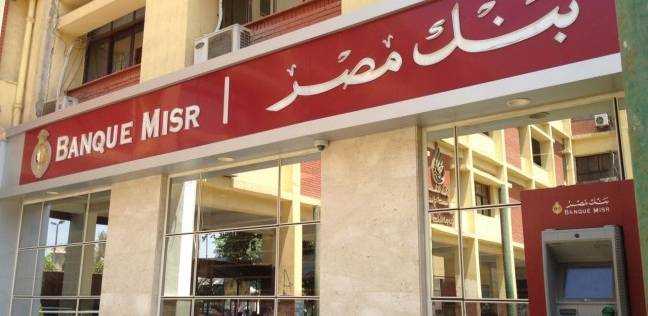
Banque Misr, Egypt’s second-largest bank, has announced plans to enter the Kenyan market as it seeks lending deals in East Africa and serving Egyptian firms operating in the region.
To fund the Kenya expansion the state-run bank plans to borrow $250 million from international lenders this year. The Kenyan expansion will also coincide with planned entry into Somalia and Djibouti.
“We are in talks with two international institutions on loans with competitive interest rates,” said Mohamed Eletreby, Banque Misr chairman.
Mr Eletreby added that Banque Misr could enter Kenya through setting up branches or representative offices.
Also Read: Absa Kenya’s US$ 100 million kitty for women entrepreneurs
The bank has branches in the UAE and France, as well as units in Lebanon and Germany and representative offices in China, Russia, South Korea and Italy.
The Banque Misr announcement marks the latest declaration of interest by an Egyptian lender to enter …