


Trending
- Africa’s Green Economy Summit 2026 readies pipeline of investment-ready green ventures
- East Africa banks on youth-led innovation to transform food systems sector
- The Washington Accords and Rwanda DRC Peace Deal
- Binance Junior, a crypto savings account targeting children and teens debuts in Africa
- African Union Agenda 2063 and the Conflicts Threatening “The Africa We Want”
- New HIV prevention drug is out — can ravaged African nations afford to miss it?
- From banking to supply chains, here’s how blockchain is powering lives across Africa
- Modern railways system sparks fresh drive in Tanzania’s economic ambitions


Browsing: COP26
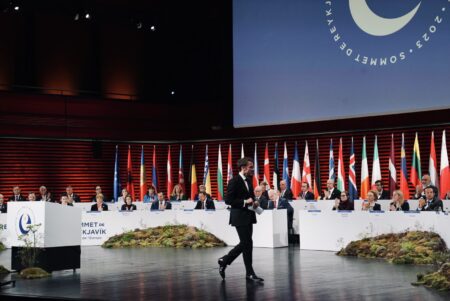
France will host, in Paris, on June 22 and 23, 2023, the Summit for a new global financing pact. The Summit seeks to rethink the contract between the countries in the Global North and the Global South. The organisers aim to formulate a new pact to address the global economic crisis and climate change.
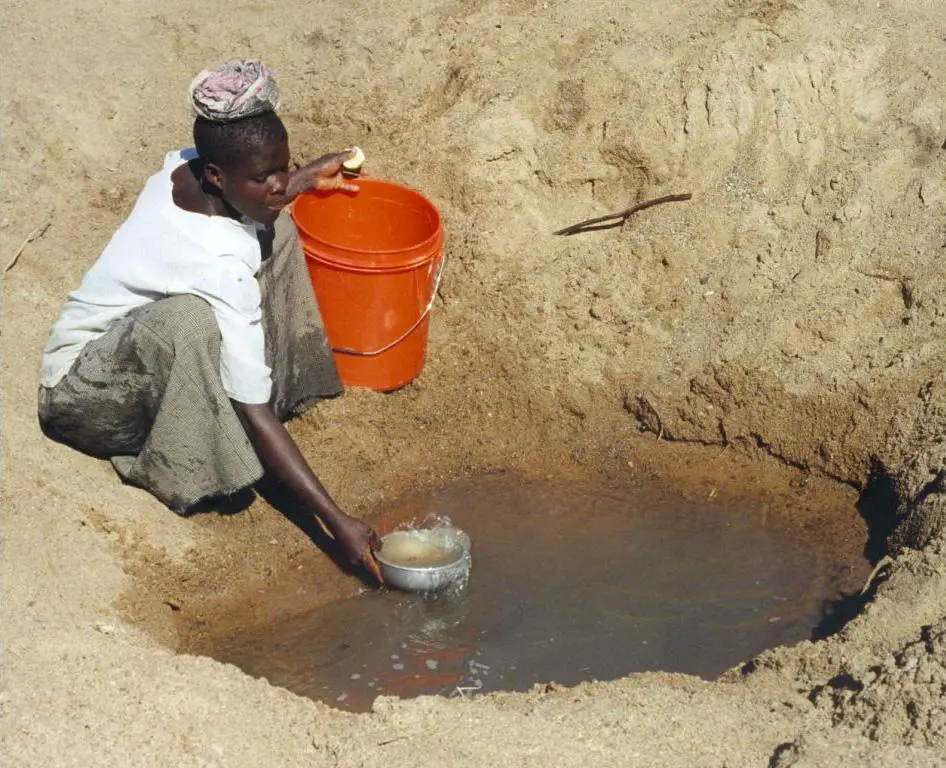
In the wake of the ongoing devastating drought that continues to ravage the Horn of Africa at an alarming rate,…
African nations are harnessing it’s push toward the oil and gas industry despite global push to reduce greenhouse gasses Oil-rich…
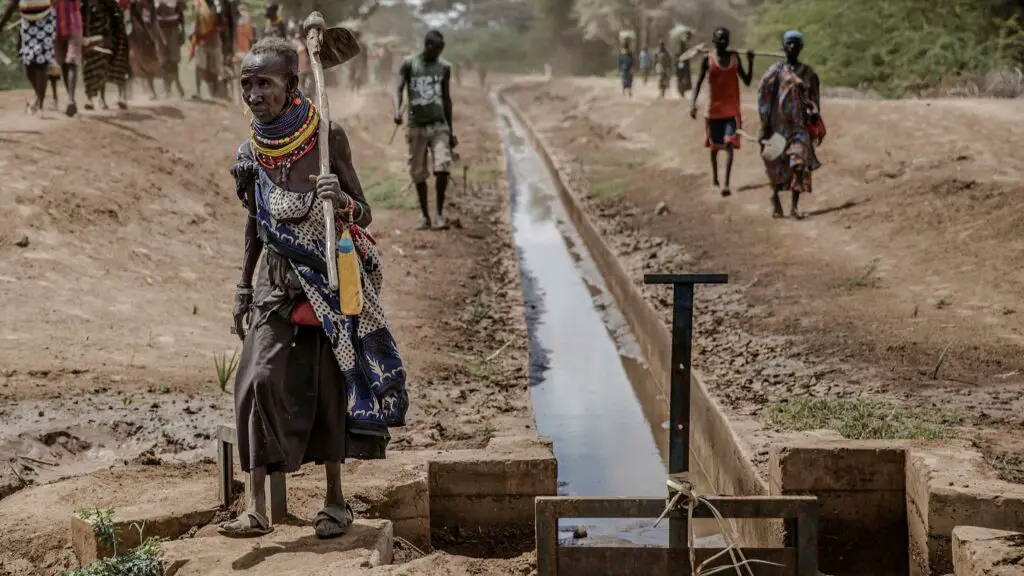
Climate change in Africa costs a lot, and climate extremes hit the region hardest. Between 2014 and 2018, roughly $5…
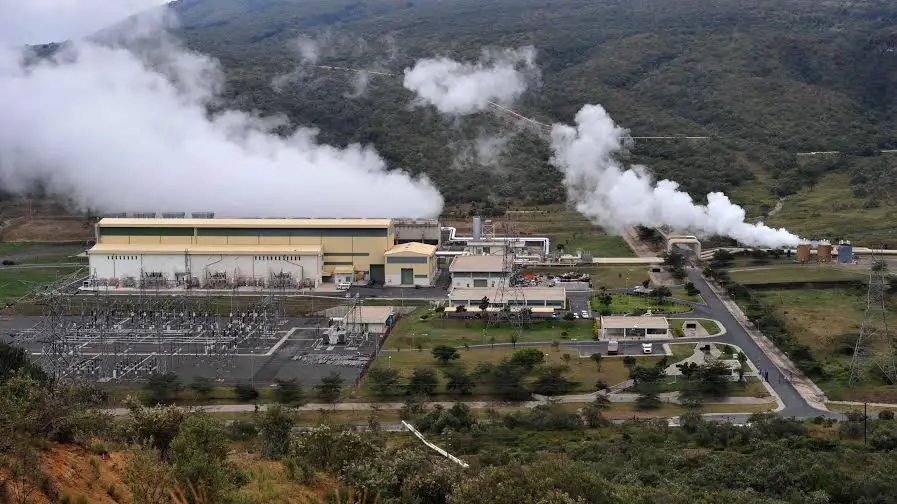
While the world is fighting for zero-carbon neutrality, Africa’s—and Kenya’s—struggle to achieve a zero-carbon footprint is being met with foreign…
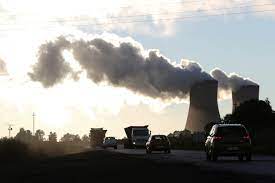
South Africa, like many other countries in the world, still uses coal to power its economy, but now the country…
Because outside of the governments, politicians, civil servants, lobbyists and pressure groups that thronged the Conference there is a cohort of entrepreneurs that are passionate about reversing climate change, that have fantastic commercially viable and innovative ideas, but who require funding and strategic support to make these ideas a reality.
And so I want to suggest that as well as taking personal responsibility for our carbon footprint and doing all that we can to minimise our negative impact on Planet Earth, we should also be investing in line with environmental, social and governance principles at all times – and ensuring that 20% of our investments in 2021/22 should be directly targeted at investments that will have a positive environmental impact.
The scope of green finance is broad and encompasses initiatives taken by both public and private entities such as financial institutions, governments and international organizations in developing and supporting sustainable impacts through key financial instruments which lay the foundations of sustainable business models and investments.
Projects that fall under the green finance umbrella include the reduction of industrial pollution and lowering the carbon footprint, climate change mitigation, biodiversity conservation, promotion of renewable sources of energy plus energy efficiency, circular economy initiatives, sustainable use of natural resources and many more.
For Africa to tackle the climate menace, it needs concerted efforts from all the above parties for desired outcomes to be reaped.
Gabon is one of few countries with a carbon-negative economy, thanks to the Congo Basin’s immense tropical forests, which absorb more greenhouse gases than the country’s companies, cars, and towns emit.
It just approved an ambitious climate law to ensure that its economic bases are on forests and agriculture rather than fossil fuels.
Outside assistance is required to attain this goal so that the government can continue to enhance living standards.
Many African countries rely on coal for electricity and have refused to sign a declaration signed by more than 40 countries this week calling for an end to the most polluting of fossil fuels.
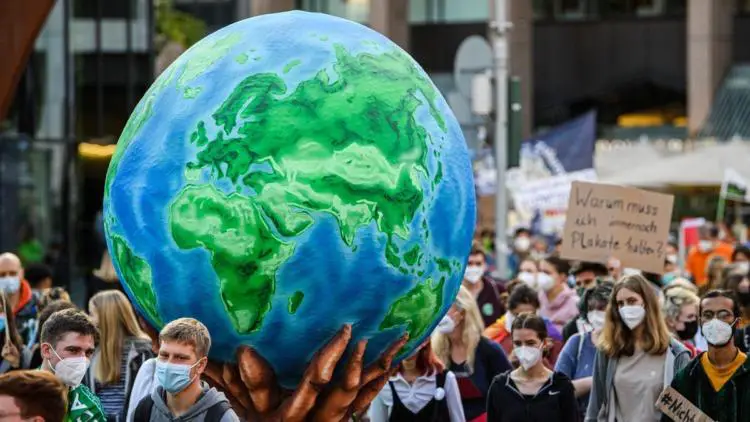
US, EU pledge to cut global methane and greenhouse gas emissions by at least 30 per cent by 2030. 16…