

Trending
- VALR sets sights on East Africa as blockchain moves deeper into Africa’s financial system
- The cost of the data gap: Why Kenya’s lenders can’t afford to miss the full picture
- Tanzania takes EAC labour migration helm as regional rules face overhaul
- 2026 is turning out as a defining year in geopolitics, but for whom?
- Saudi Arabia and Tanzania pledge to deepen bilateral trade ties
- Tanzania rewrites its digital investment playbook
- Ethical sourcing boosting demand for Tanzania organic cotton
- DRC deploys 70,000 Ebola vaccine doses in high-stakes trial against deadly Bundibugyo strain


Browsing: COVID-19

African children in poor remote zones continue to die from measles, diphtheria, tetanus, polio, and whooping cough vaccination due to…
Following a slow recovery from the debilitating impact of COVID-19, Africa’s economic growth declined to an estimated 3.8 per cent…
Tourism in Kenya is the third-biggest foreign exchange earner after remittances and agricultural exports. The tourism sector’s performance has been…
Income streams for Kenyans have remained constant, against expenditures becoming more inconsistent. Nine out of 10 Kenyan consumers earn less…
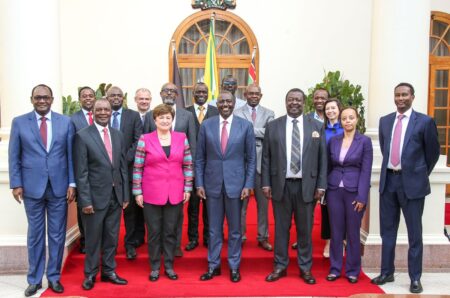
The International Monetary Fund (IMF) has committed an additional $938 million to Kenya as part of a strategy to stabilise the country’s economy.

According to Investopedia, a gig economy is a labour market mainly reliant on temporary and part-time work filled by independent contractors and freelancers rather than full-time permanent employees. A gig economy produces cheaper, more efficient services for those willing to use them.
A gig is a broad category that includes a wide range of positions. Work can range from cab driving or restaurant delivery to writing code or freelance essays. Instead of tenure-track or tenured professors, adjunct and part-time professors are contracted employees. By recruiting more adjunct and part-time teachers, colleges and universities can save costs while also better-matching instructors to academic needs.
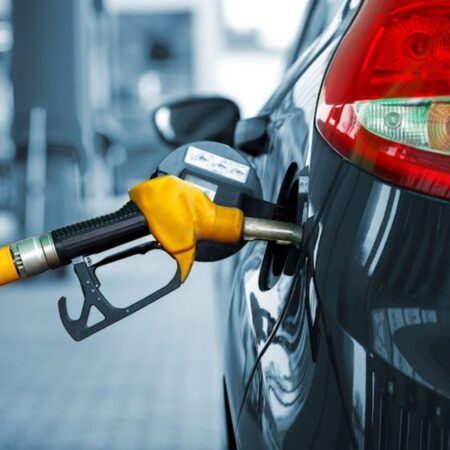
Russia’s invasion of Ukraine in February 2022 threw oil and gas markets into disarray. Consequently, the world experienced the first real global energy crisis during the uneven economic recovery from the COVID-19 epidemic. Russia’s inclusion in the OPEC+ group has hampered international attempts to manage the situation. This has made it harder to handle the significant inflationary effects of rising global fuel prices, particularly in developing nations.
Global fuel prices have risen exponentially in the last few months. The rise is hugely significant, as it has seriously aggravated the global cost-of-living crisis. African economies have particularly been on the receiving end. The continent has suffered from disrupted supply chains and a slowdown in the global economic outlook. Thus, rising energy costs complicate matters even further.
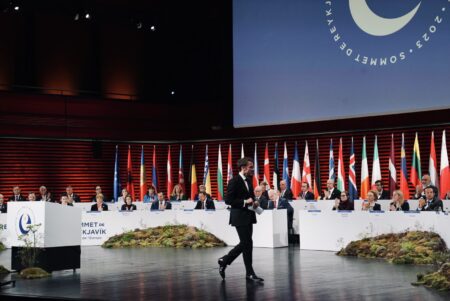
France will host, in Paris, on June 22 and 23, 2023, the Summit for a new global financing pact. The Summit seeks to rethink the contract between the countries in the Global North and the Global South. The organisers aim to formulate a new pact to address the global economic crisis and climate change.
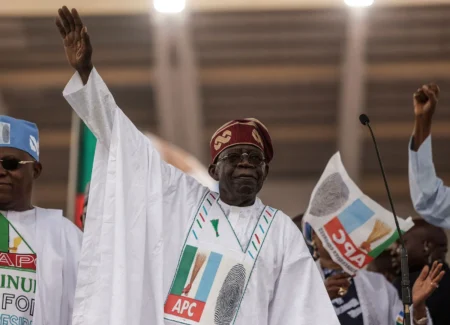
In his inaugural address on May 29, President Bola Tinubu stated his plans to revive Nigeria’s ailing economy. After being sworn in as Nigeria’s 16th President, Tinubu expressed his immediate objective to achieve higher GDP of not less than 6 per cent annually and a significant reduction in the unemployment rate.
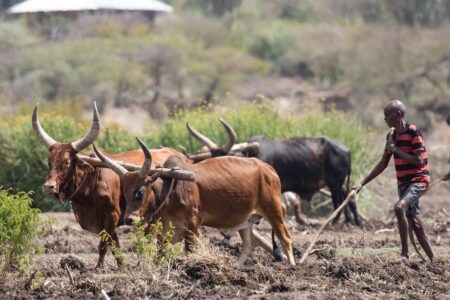
Africa’s human development cannot proceed until the first and most basic need—food—is met. A report by AusAID titled Improving food…