


Trending
- Africa’s Green Economy Summit 2026 readies pipeline of investment-ready green ventures
- East Africa banks on youth-led innovation to transform food systems sector
- The Washington Accords and Rwanda DRC Peace Deal
- Binance Junior, a crypto savings account targeting children and teens debuts in Africa
- African Union Agenda 2063 and the Conflicts Threatening “The Africa We Want”
- New HIV prevention drug is out — can ravaged African nations afford to miss it?
- From banking to supply chains, here’s how blockchain is powering lives across Africa
- Modern railways system sparks fresh drive in Tanzania’s economic ambitions


Browsing: COVID-19
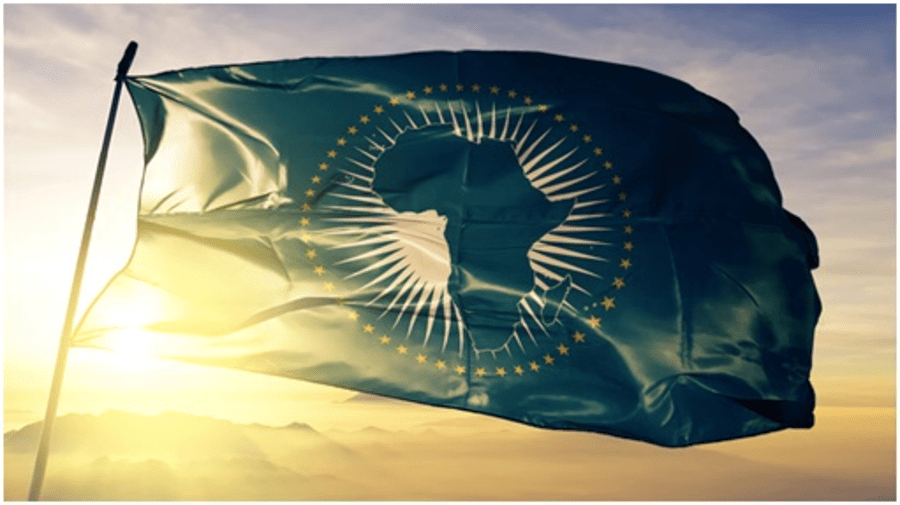
Africans and African diaspora across the world commemorated Africa Day on May 25, 2022. The day truly serves to integrate…
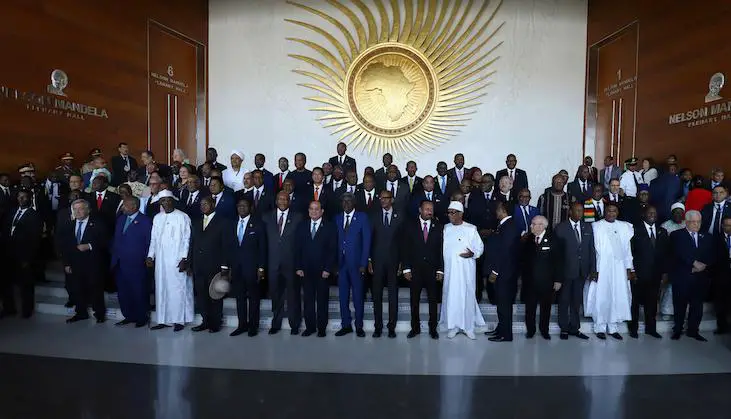
Africa’s role in the world economy derives from its economic importance to the rest of the world in international trade and as a destination for international investment. Africa has recently become home to the largest free trade area in the world, both by area and by the number of countries.
As economies have been hard hit by the Covid-19 pandemic, the Africa Continental Free Trade Area (AfCFTA) holds economic promise for the continent. The AfCFTA comprises 55 countries with a population of 1.3 billion and combined GDP of about $3.4 trillion. Business leaders and observers regard economic and regional integration as essential for accelerating Africa’s manufacturing, e-commerce, and digitization to reduce an over-reliance on imports, especially from China.
However, there is still much more to do as major components of the agreement still must be negotiated, between many countries and regional economic communities. Moreover, according to the IMF, removing non-tariff barriers could be up to four times more effective in boosting trade than tariff reductions.
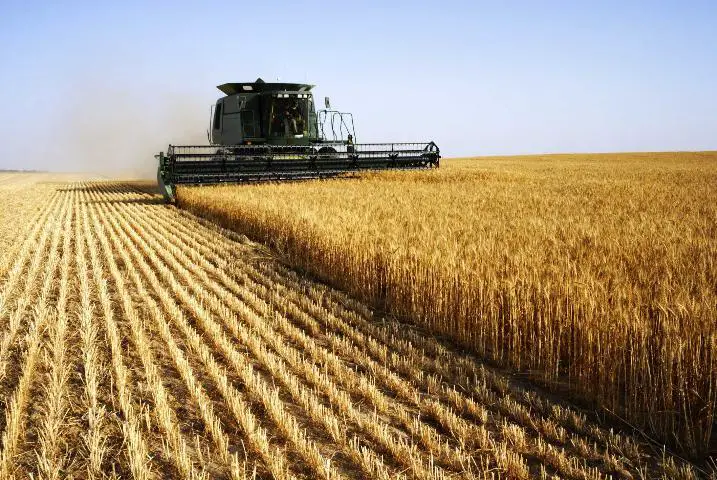
Dangote also plans to launch an oil refinery that would produce 650,000 barrels per day. Currently, the Dangote Group is the second-largest employer in Nigeria after the federal government, and a new plant is a tremendous opportunity to replace Russian fertilizer imports with African jobs that create warehousing, transport, and logistics infrastructure that help to reduce poverty.
Global wheat, sunflower, and oil crude prices have soared to unprecedented levels. Africa is heavily reliant on food imports from both countries, and the Continent is already experiencing price shocks and disruptions in the supply chain of these commodities.
Over the past decade, the Continent has seen growing demand for cereal crops, including wheat and sunflower, which has been mainly supported by imports than local production. Africa’s wheat imports increased by 68 per cent between 2007 to 2019, surging to 47 million tonnes.
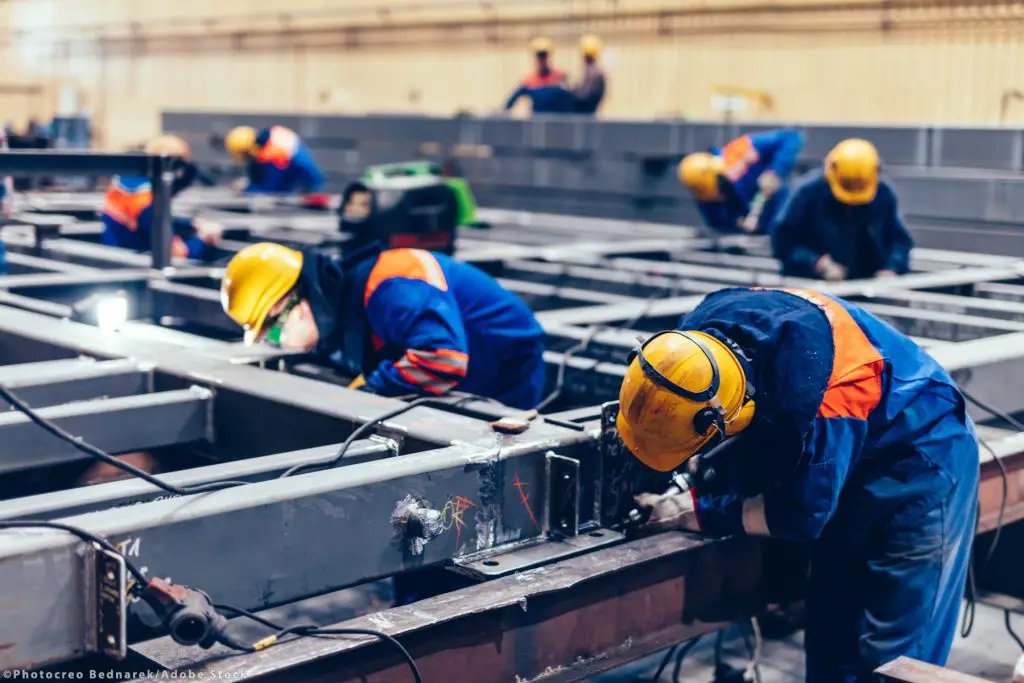
African governments saw a series decline in public revenues during the pandemic Unemployment has surged in Nigeria and South Africa…

mRNA-1644 utilizes Moderna’s messenger RNA (mRNA) technology to deliver a specific class of B cells needed to develop broadly neutralizing antibodies (bnAbs) to fight HIV infection. Inducing bnAbs is considered the primary goal of an HIV vaccine, and this requires B-cell activation.
The primary trial endpoints are safety and immunogenicity. The IAVI-sponsored clinical trial, IAVI G003, will test the safety and efficacy of vaccination with the HIV immunogen eOD-GT8 60mer, delivered via Moderna’s mRNA platform. eOD-GT8 60mer was developed by IAVI and Scripps Research teams and was initially tested in phase 1 clinical trial IAVI G001.
According to Contagion Live, IAVI G003 is expected to enroll 18 healthy, HIV-negative adults. The participants will receive 2 doses of eOD-GT8 60mer mRNA, which contains a portion of the viral sequence but cannot cause HIV infection. They will be monitored for safety for 6 months after their second dose, and their immune responses will be examined in molecular detail to evaluate whether the target was achieved.
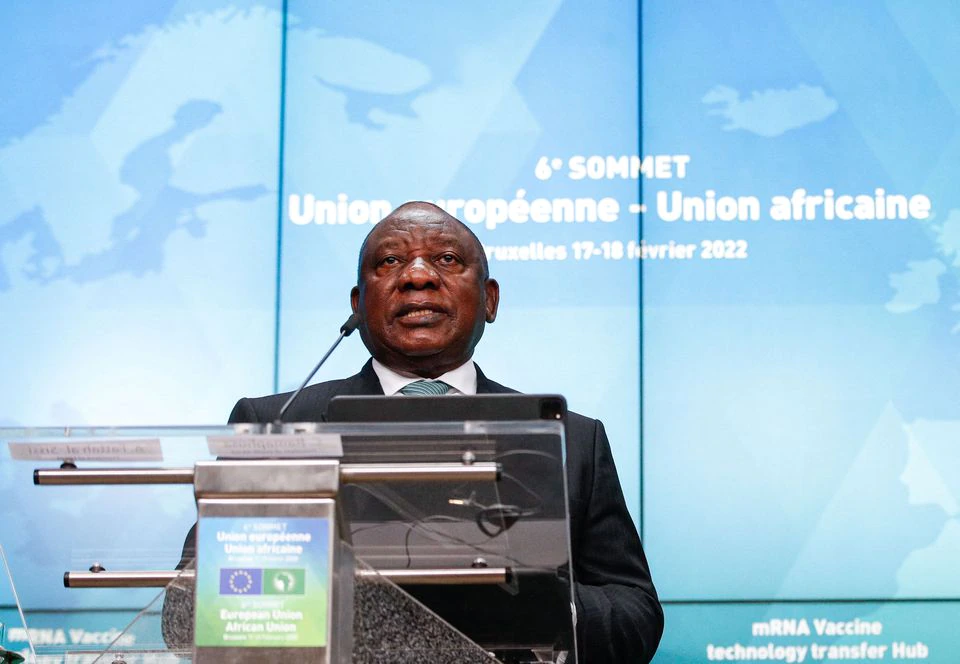
Stavros Nicolaou, a Senior Executive at Aspen Pharmacare Group said in the absence of orders or commitments, Aspen is considering the repurposing of two COVID-19 production lines for the manufacture of other products.
“The continent would lose its only existing COVID vaccine manufacturing capacity, It would be a massive setback for Africa’s plans to localize and reduce its dependency on imported vaccines,” he said.
John Nkengasong, director of the Africa Centres for Disease Control and Prevention, said global health security would be undermined if companies like Aspen were not backed.
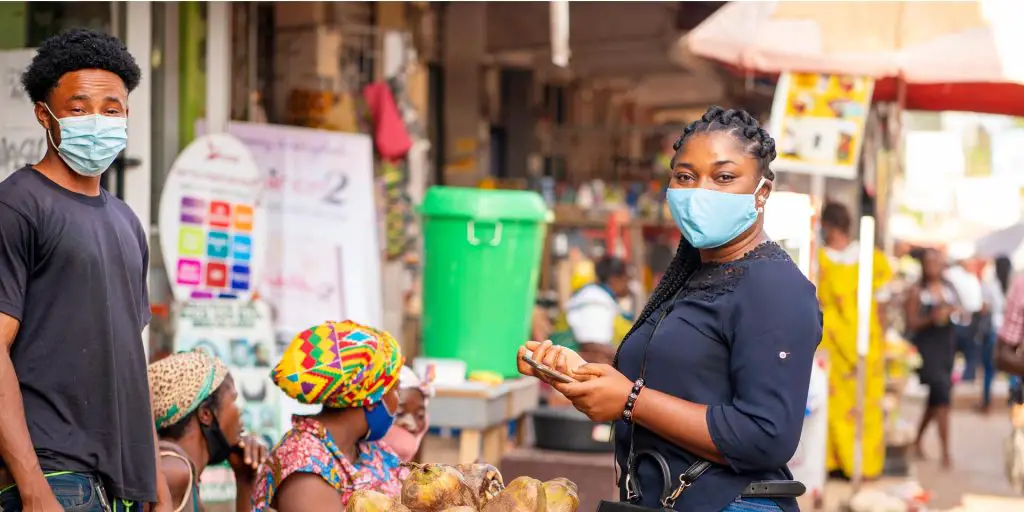
Initial predictions about Africa’s vulnerability to Covid-19 indicated that the continent would be overwhelmed by the effects of the pandemic…
The index signalled a solid decline in operating conditions, albeit one that was slower than those seen in April 2021 and during the second quarter of 2020.
“Economic activity started 2022 on a subdued note as evidenced by the Stanbic PMI reading that fell to the lowest level in nine months. The reading was below 50 which indicated a deterioration in business conditions from December,” Kuria Kamau, Fixed Income and Currency Strategist at Stanbic Bank commented.
While export demand grew marginally, domestic demand fell significantly as client spending was negatively affected by rising inflation and a resurgence in Covid-19 due to the Omicron variant, he noted.
According to the United Nations, water transports approximately 80 per cent of the total international trade volume. The Suez Canal has cemented its importance in the world.
The waterway transports approximately 12 per cent of global trade. 7 per cent of the world’s oil passes through the connection between the Mediterranean Sea and the Red Sea.
The canal began operations in 1869. It has been a source of foreign exchange and national pride for Egypt. It brings about US$6 billion to the country every year. In 2021, 1.27 billion tonnes of cargo were shipped through the canal.
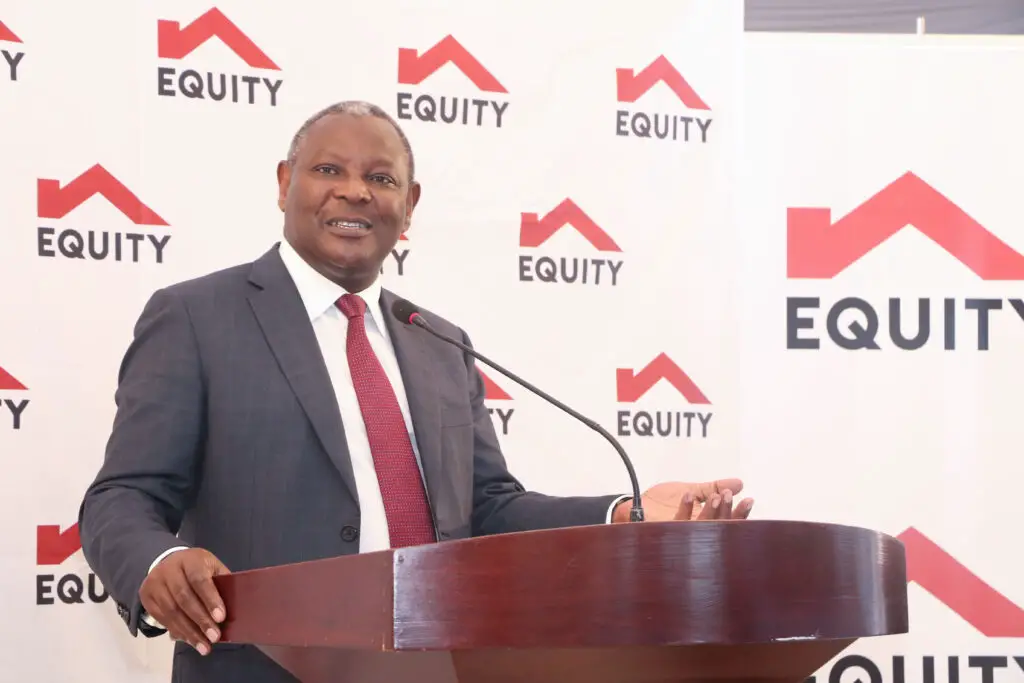
The Kenyan bank said it would use the loan to help it increase working capital and trade-related lending to its small and medium-sized enterprise (SME) clients in Kenya, especially those facing COVID-19 related challenges.
The loan from IFC is one of the single-largest credit facilities to a Kenyan lender.
Besides shoring up the bank’s capital base, the new loan will also be lent to customers, fitting IFC’s’ impact investing criteria.
IFC encourages the banks it funds to lend to women-owned enterprises and climate-related ventures such as renewable energy projects.