
Trending
- Africa’s Green Economy Summit 2026 readies pipeline of investment-ready green ventures
- East Africa banks on youth-led innovation to transform food systems sector
- The Washington Accords and Rwanda DRC Peace Deal
- Binance Junior, a crypto savings account targeting children and teens debuts in Africa
- African Union Agenda 2063 and the Conflicts Threatening “The Africa We Want”
- New HIV prevention drug is out — can ravaged African nations afford to miss it?
- From banking to supply chains, here’s how blockchain is powering lives across Africa
- Modern railways system sparks fresh drive in Tanzania’s economic ambitions


Browsing: economic growth

The shrinking economy and resulting unemployment have given birth to an informal economy that has spiralled out of control. Treasury and monetary authorities have been at pains to find ways they can tax the informal sector. The informal economy is difficult, if not impossible, to absorb into the formal economy or to include in the tax pool from which the government can draw revenue.
As the formal economy shrinks, so has Zimbabwe’s effective tax revenue stream, and this problem can only be arrested and mitigated by a growing economy.
An economy characterized by slow or negative growth makes it more difficult for the government to repair its finances. This is because there is a positive relationship between a country’s tax pool and the growth of the economy. A shrinking economy brings with it the added cost of having to provide social safety nets for the vulnerable members of its society.
If the government does not cater to these members of society during times when the economy shrinks, it will invariably experience heightened levels of poverty.
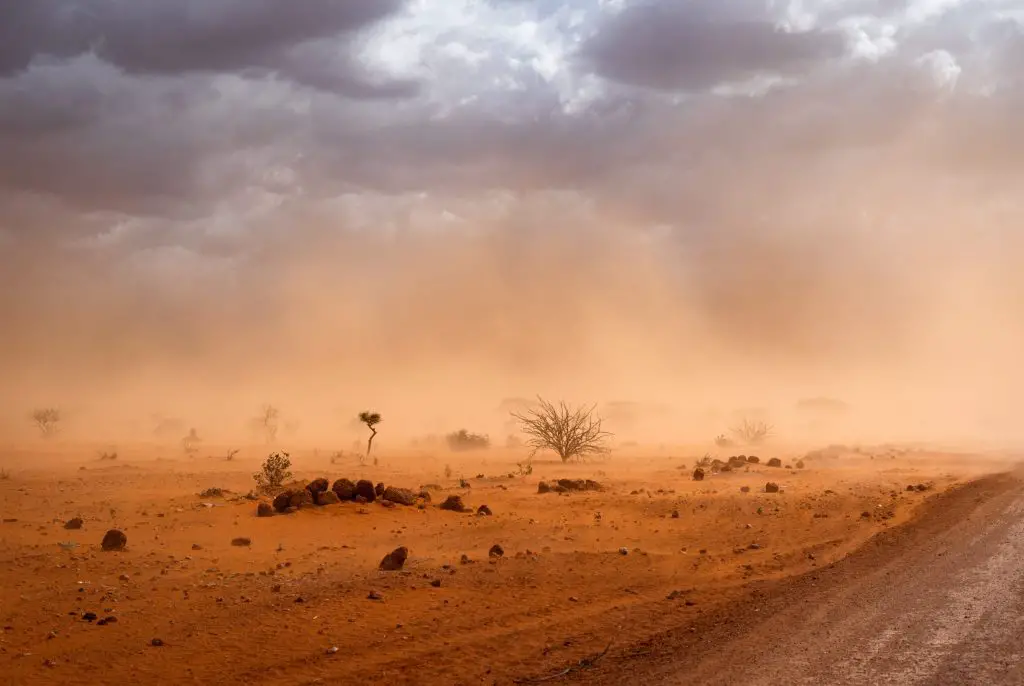
Changes in the global food chain provide essential opportunities to enhance the profile of integrated thinking in Africa. Because these measures will benefit the whole planet, a collective responsibility remains necessary. Landscape-based initiatives and the scaling out of agro-ecological systems and restorative agriculture must be prioritized by African member states.
There should be cross-border collaborations in critical landscapes. Non-African partners and enterprises must also invest in regional systems strategies, focusing on yield and advancing all ecological systems. As investment in Africa’s agricultural industry grows, steps must be taken to avoid negative environmental consequences.
Everyone wants to live in a world with a healthy planet and people and planet. In Africa, this means people with access to healthy diets, economic growth, and development possibilities while interacting with the continent’s unique natural environments.
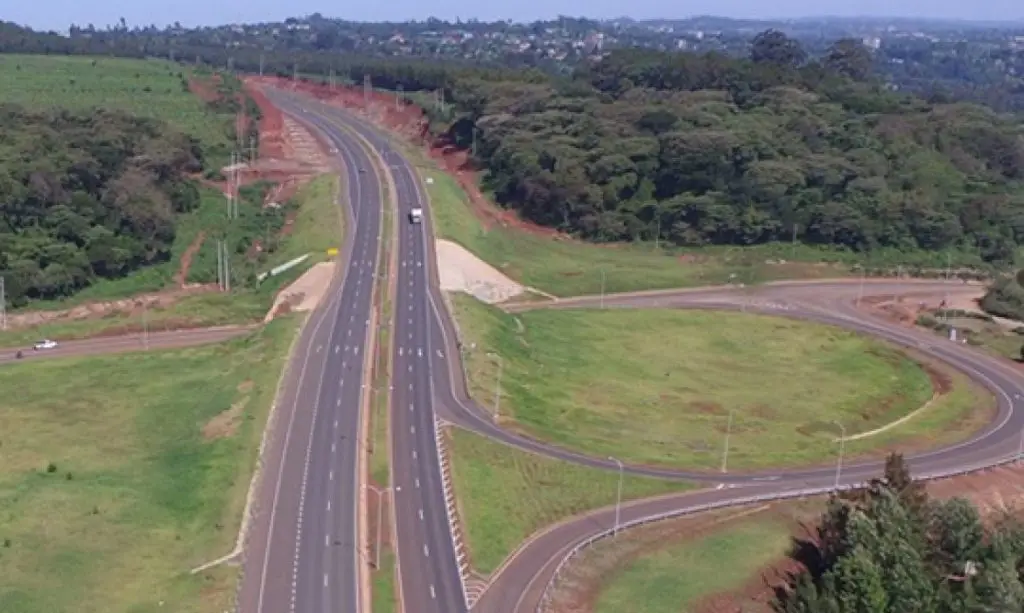
Africa’s road infrastructure remains essential for landlocked countries, where opening manufacturing zones are needed. Reliable road transport is required for businesses to import and export goods, complete orders, and procure supplies.
The practical implementation of the AfCFTA, the expanding middle class, the evolving consumer market, enhanced use of financial technology and services, and the efficiency of the vibrant private sector will all be enablers of African export diversification and long-term economic growth.
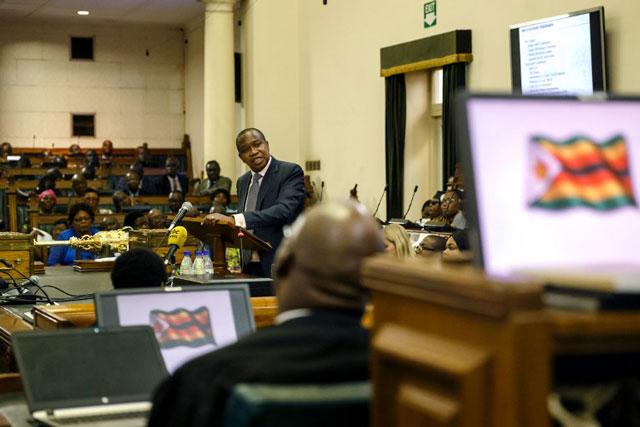
The economy is now projected to grow by 4.6% during 2022, a downward revision from the original 5.5% projection Reserve…
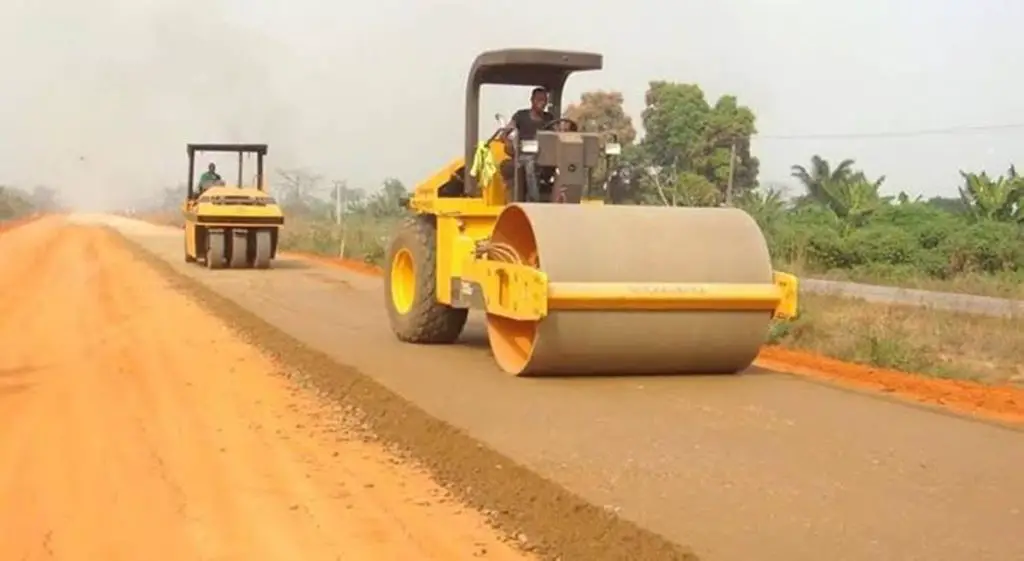
Infrastructure development continues to be a vital driver of foreign direct investment (FDI) since logistics are so necessary for global business development, mainly e-commerce, which is now a significant generator of income and jobs at home and abroad.
World Bank further notes that the unified digitisation of the East African economy is estimated to generate up to a US$2.6 billion boost in GDP and 4.5 million new jobs that will largely benefit those at the bottom of the pyramid.
Data by GSMA reveals that by the end of 2020, 495 million people subscribed to mobile services in Sub-Saharan Africa, representing 46 percent of the region’s population, an increase of almost 20 million on 2019.
GSMA revealed that smartphone connections will more than double by 2025 in Sub-Saharan Africa with the East African Community registering the largest incremental growth, led by Rwanda and Tanzania.
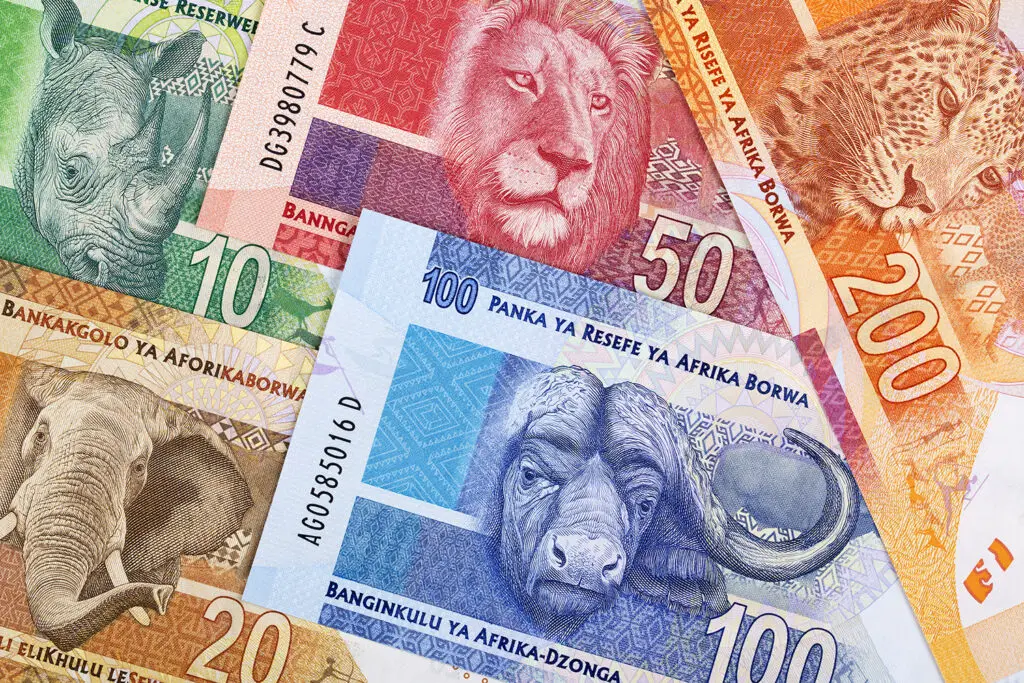
Enock Godongwana, South Africa’s finance minister appeared at ease for a man delivering his maiden budget speech. A speech whose…
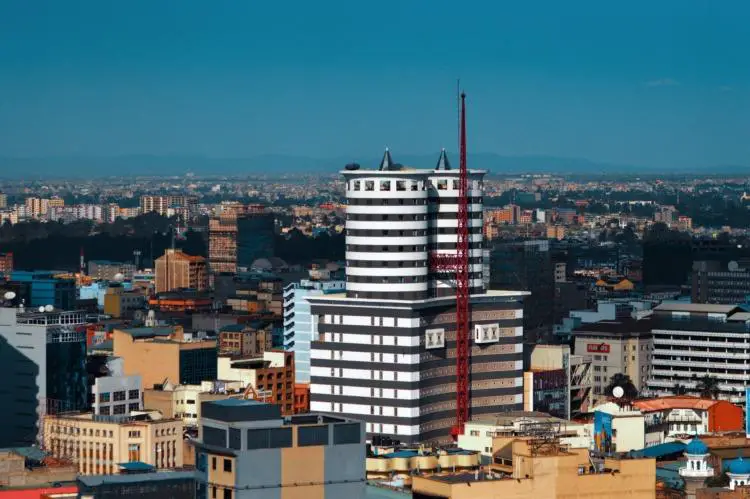
Business activity in Kenya in November expanded at the fastest rate in 10 months following the lifting of the 10…
A blue bond is a relatively new form of a sustainability bond, which is a debt instrument that is issued to support investments in healthy oceans and blue economies, wherein earnings are generated from the investments in sustainable blue economy projects.
According to IDB Invest, Blue bonds can raise capital for projects and companies seeking to have a direct impact on the ocean and water-related issues while advancing in social inclusion, economic growth, environmental protection, and the broader 2030 agenda.
The World Bank is the biggest multilateral funder for ocean and water projects in developing countries and is committed to working with investors to highlight the critical need to support the sustainable use of ocean and marine resources which inarguably includes better waste management.