

Trending
- Who got the money and who didn’t in Africa’s 2025 race for foreign direct investments?
- AI’s Dual Capacity and a Strategic Opportunity for African Peace and Security
- How African economies dealt with the 2025 debt maturity wall
- Africa’s Green Economy Summit 2026 readies pipeline of investment-ready green ventures
- East Africa banks on youth-led innovation to transform food systems sector
- The Washington Accords and Rwanda DRC Peace Deal
- Binance Junior, a crypto savings account targeting children and teens debuts in Africa
- African Union Agenda 2063 and the Conflicts Threatening “The Africa We Want”


Browsing: Food Security

Activists and agriculture lobbyist have already protested the move by the government to lift the 10-year ban on GM foods. A joint statement signed by Greenpeace Africa and lobbyist groups argued that, “food security is not just about the amount of food, but the quality and safety. Our cultural and indigenous foods have proved to be safer, with diverse nutrients and with less harmful chemical inputs.”
Lobbyists insist that public participation could have taken place, prior to lifting the ban; and are championing for its reinstatement. Furthermore, they are advocating for an inclusive participatory process to be instituted or a taskforce onboarded, to investigate long-term and sustainable solutions to attain food security.
The move has elicited divergent views across the region. Tanzania is firmly opposed to the use of biotechnology in food production, and considering its proximity to Kenya, has upgraded its vigilance to ensure GM food or cash crops do not find their way into the country; as boldly stated by the country’s Agriculture minister Hussein Bashe.
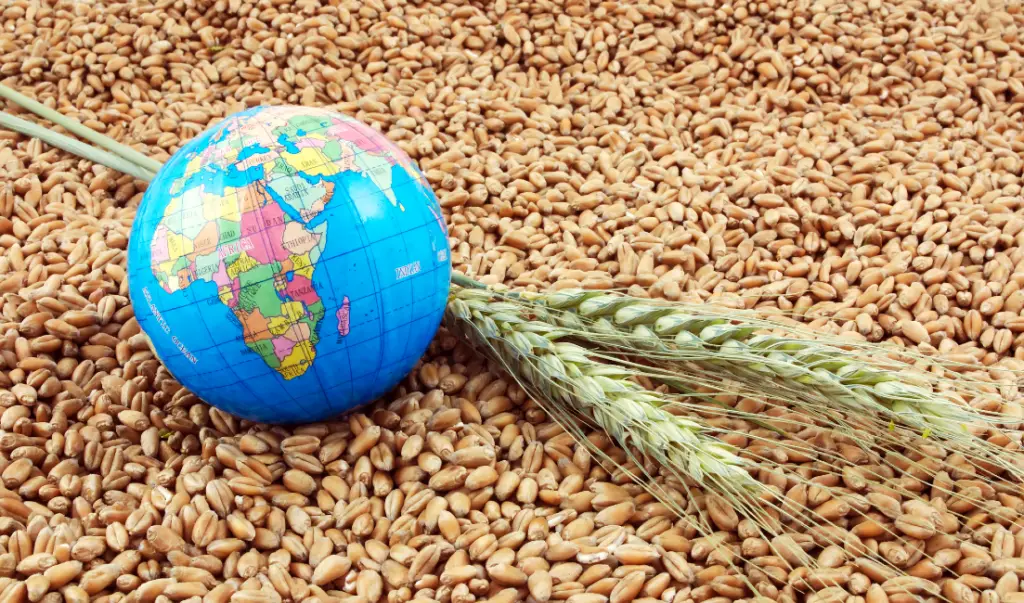
Why is agriculture so important? The World Bank estimates that “Healthy, sustainable, and inclusive food systems are critical to achieving the world’s development goals. Agricultural development is one of the most powerful tools to end extreme poverty, boost shared prosperity, and feed a projected 9.7 billion people by 2050.
Growth in the agriculture sector is two to four times more effective in raising incomes among the poorest compared to other sectors. Agriculture is also crucial to economic growth: it accounts for 4% of global gross domestic product (GDP) and in some developing countries, it can account for more than 25% of GDP.”
Agriculture not only eliminates hunger, but its support and success will lead to the attainment of the world’s development goals, end poverty, and boost shared prosperity. CGAP, which published an article about “The Role of Financial Services in Reducing Hunger”, states that for the majority of the 1.4 billion of the world’s poor living on less than US$1.25 a day, agriculture is the main source of income and employment.
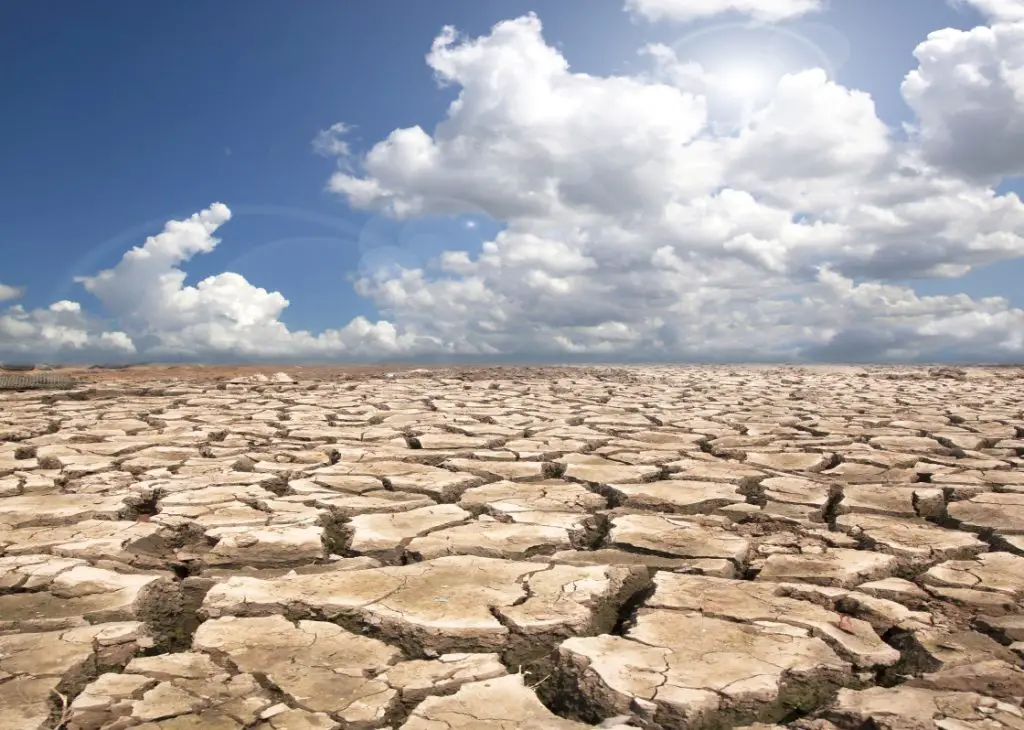
Policymakers must advocate for pooling resources to support the most affected, particularly in Africa. They can financially support and share land restoration and climate adaptation technologies. Collaborations to expand inclusion that can attain a new paradigm in climate change mitigation.
The leaders of the major polluting nations and donor countries, as well as the leaders of African nations—must commit to implementing policies, allocating resources, and taking the necessary actions to address the deteriorating climate situations globally.
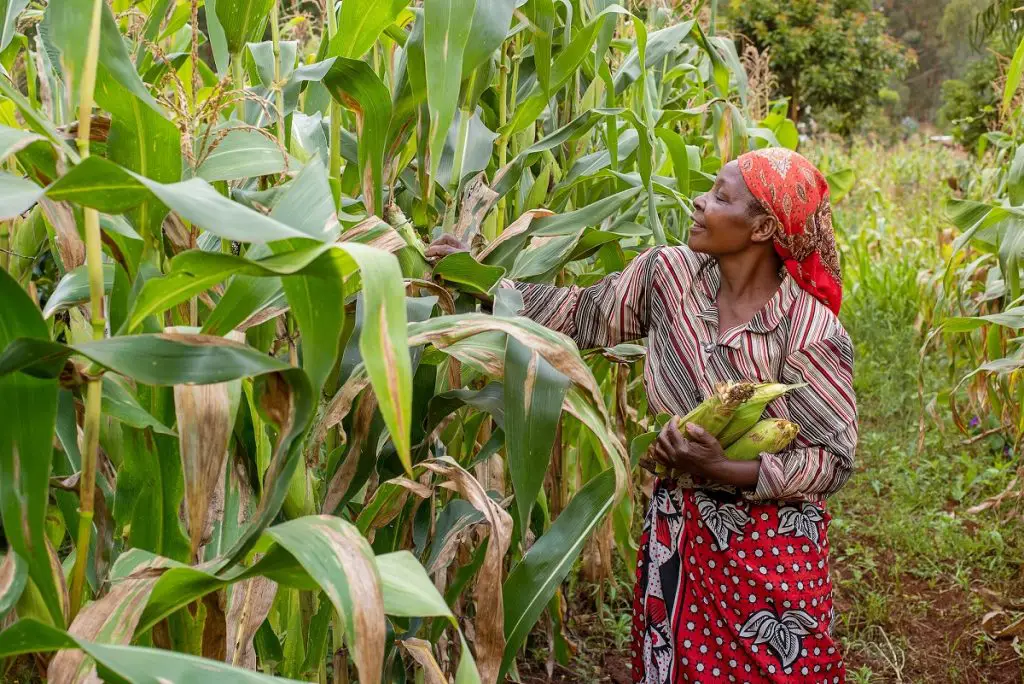
The rising commodity prices, surging inflationary pressures, and the contracting global financial situation have risked African trade and production capabilities. Moreover, the rising threat of sovereign defaults poses a severe risk to the growth of African trade. Thus, African trade prospects remain unclear, considering the challenging global economic scenario.
The Covid-19, energy and food shortages have hit with the countries having minimal or no policy space to respond. As a result, African countries have fallen into a real risk of debt distress and even possibilities for sovereign debt default.
![Africa must look to improve and transform its agricultural practices to increase food production for food security and economic growth [Photo/Silvapinto] www.theexchange.africa](https://theexchange.africa/wp-content/uploads/2022/08/dreamstime_xl_116738955-scaled-1-1024x682.jpg "Africa: Focus on transforming agricultural practices to boost food production")
The agricultural transformation in Sierra Leone has demonstrated that delivery changes in traditional sectors may significantly impact food production when implemented effectively and under the appropriate circumstances.
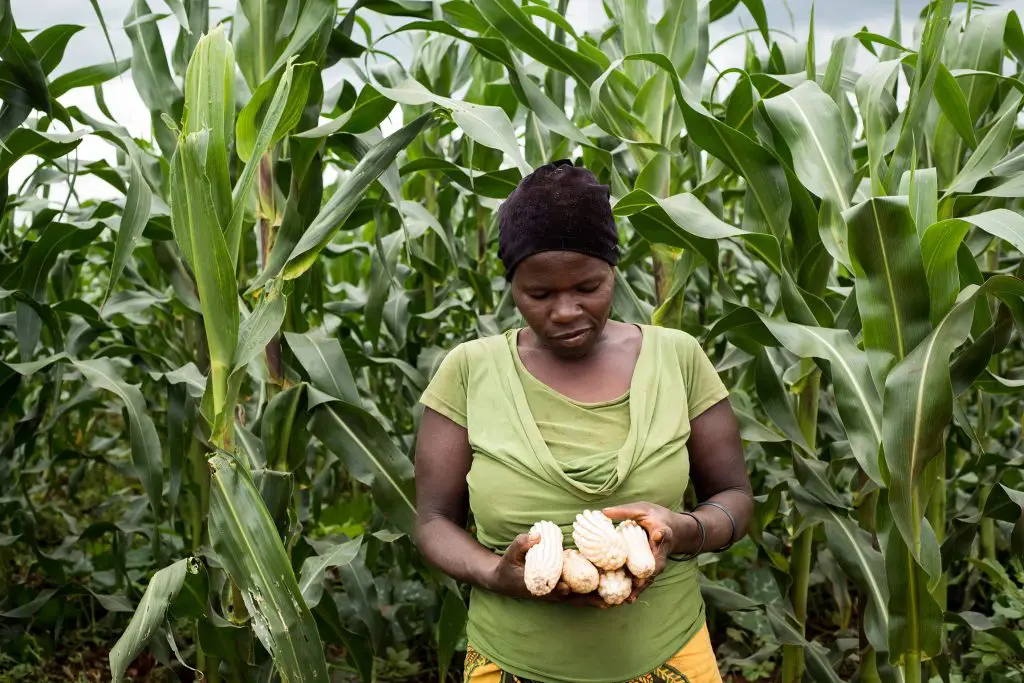
Tanzania is building irrigation schemes for rice production and encourages efficient use of fertilizers via its 10-year National Rice Development Strategy Phase II (NRDS-II). “The NRDS-II purpose is to double the area under rice cultivation from 1.1 to 2.2 million hectares from 2018 to 2030, double on-farm rice productivity from two t/ha to four t/ha by 2030, and reduce post-harvest loss from 30 per cent to 10 per cent by 2030,” according to ITA.
The exportation of goods is a numbers game. Numbers give a unique perspective on the trend of agro-product exportation across potential and competitive markets in the region and abroad.
ITA shows that the exportation of corn has faced setbacks in the financial year 2021/2022 as forecasted to decrease by 20 per cent, equivalent to 80 million metric tonnes, due to the COVID-19 pandemic disrupting supply chains. The decrease is attributed to reports of truck drivers’ screenings, lockdowns and curfews in neighbouring countries.
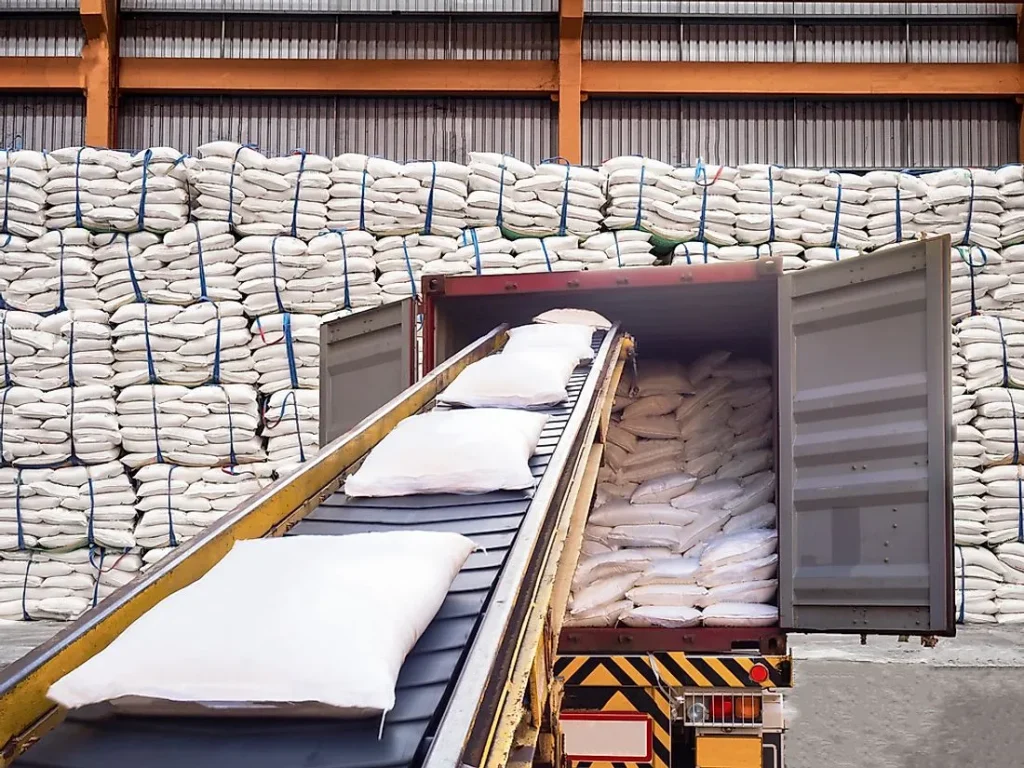
A balanced meal, three times a day, a basic need few in Africa can afford. A three-course meal, a luxury…
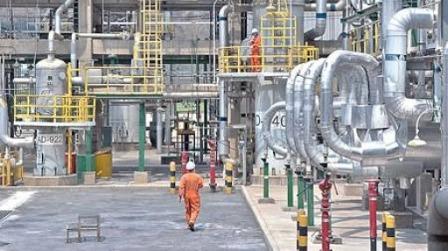
President of Dangote Group, Aliko Dangote in his speech described the new plant as a game changer, as it can make Nigeria self-sufficient in fertilizer production, with spare capacity to export to other markets in Africa and the rest of the world.
While Dangote’s initial export targets were primarily Africa, current market realities mean there is increasing demand from outside the continent. Orders have come from far-flung places in the US, Brazil, Mexico, India, and the EU according to an article by African Business published on May 5, 2022.
According to the World Bank, the proximity of the new fertilizer plant offers a critical window of opportunity for Benin policymakers and the private sector to engage their Nigerian counterparts within the frameworks of the Economic Community of African States (ECOWAS), the African Continental Free Trade Agreement (AfCFTA) and other bilateral agreements to source fertilizer inputs for its farming population to increase food production and meet increasing regional demand for food products. This will make it easier for African countries to improve food production.

The current large-scale transition of the global economy, principally triggered by the current conflict between Ukraine and Russia as well as the standoff between China and the United States, creates a multipolar world map with new centres of power.
Brazil, Russia, India, China, and South Africa, also known as the BRICS nations, have enhanced industrial and financial might and are pushing for a seat at the global new power axis table. These nations are essential participants in international markets for products, services, and money, having a considerable, sometimes decisive, effect on how the global economy operates.
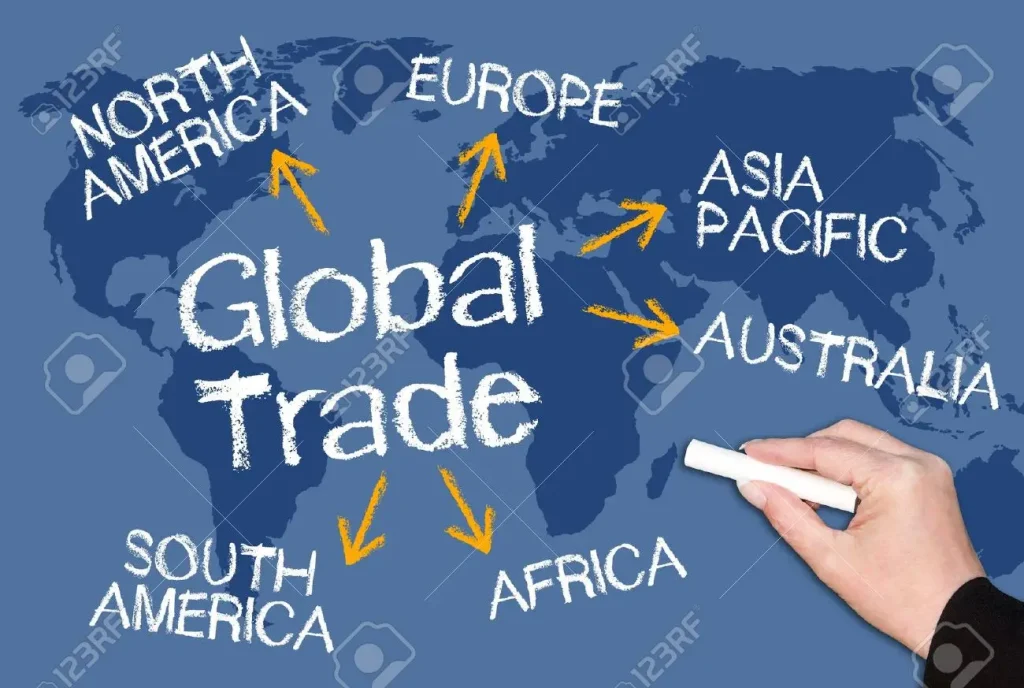
Nations launched the AfCFTA as one of the actions made to support more extensive intra-African trade. The AfCFTA aspires to establish a unified continental market for goods and services. The agreement seeks to harmonise the continent’s various trade liberalization procedures and promote regional integration. Each African nation is a member of at least one of the continent’s approximately 30 bilateral or regional trade agreements.
Africa suffers from marginalization in the global trade system. Nevertheless, the African Regional Trade Agreements heralded a new age of economic integration with significant trade creation impacts. The path to free trade poses several significant obstacles and concerns that African governments must solve.