


Trending
- Africa’s Green Economy Summit 2026 readies pipeline of investment-ready green ventures
- East Africa banks on youth-led innovation to transform food systems sector
- The Washington Accords and Rwanda DRC Peace Deal
- Binance Junior, a crypto savings account targeting children and teens debuts in Africa
- African Union Agenda 2063 and the Conflicts Threatening “The Africa We Want”
- New HIV prevention drug is out — can ravaged African nations afford to miss it?
- From banking to supply chains, here’s how blockchain is powering lives across Africa
- Modern railways system sparks fresh drive in Tanzania’s economic ambitions


Browsing: foreign exchange

Tourism in Kenya is the third-biggest foreign exchange earner after remittances and agricultural exports. The tourism sector’s performance has been…

The IMF has approved an expansion of the original economic rescue program for Egypt by $5 billion. Spillovers from the…

Official data shows that diaspora remittances to Kenya increased to $412.4 million in January 2024, compared to $372.6 million in…

For many Kenyans, life was unbearable during former President Uhuru Kenyatta’s reign. But just one year after President William Ruto came to power, life is getting more onerous. High taxation, the depreciation of the shilling against the dollar, and record-high fuel prices have highlighted the last few months. This has painted a grim picture of Kenya’s future and shattered citizens’ hopes for economic reinvigoration.
On September 14, 2023, the Energy and Petroleum Regulatory Authority (EPRA) announced record-high fuel prices for the September-October regulation cycle. A litre of super will now retail at Kes 211.64, diesel at Kes 200.90, and Kerosene at Kes 202.61. This represents an increase of Kes 16.96, 21.32, and 33.13, respectively, in the new prices announced last midnight.

There appears to be a consensus that the world is finally turning its back on the US dollar. There are simmering shifts within the global monetary system. The shift becomes ever more apparent, best described as de-dollarisation.
The world is searching for alternatives to the US dollar, finding them more often. Thus, moving away from the dollar can no longer be stopped. For instance, early this year, Indonesia reiterated it would promote local currency settlement (LCS) in cross-border trade and investment to reduce dependence on the US dollar.
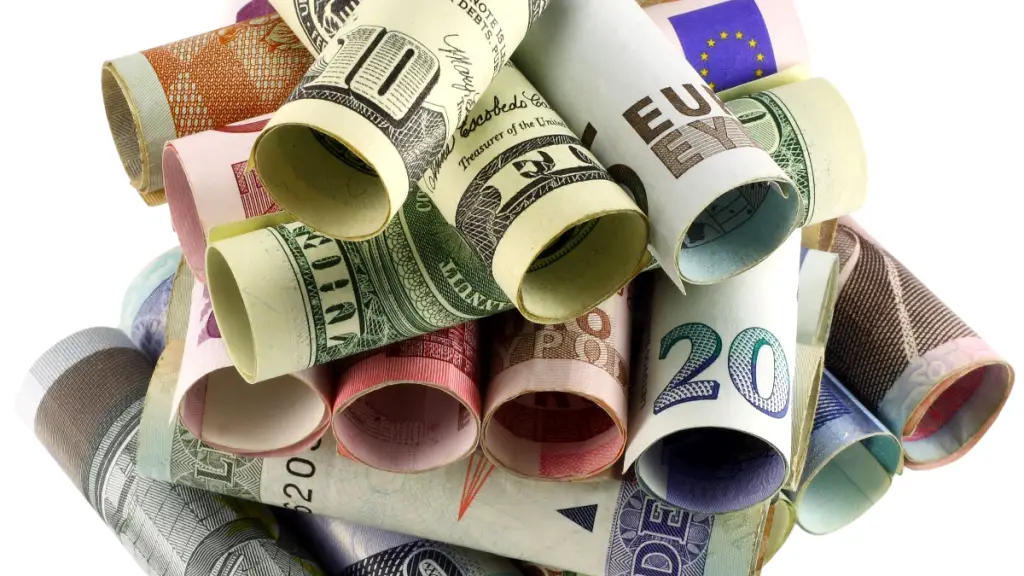
A currency crisis is defined as a quick and abrupt depreciation of a country’s currency. Currency depreciation goes in tandem with turbulent markets and a loss of confidence in the country’s economy. Historically, crises have arisen when market expectations induce significant movements in the value of currencies.
The global economy is now in turmoil. As the world economy enters another era of a currency crisis, the value of the US dollar keeps rising. Over half of all international trade is billed in dollars. A stronger dollar thus hurts consumers globally, particularly in Africa, who rely on dollars to pay for imports.
The US Federal Reserve’s hawkish approach to increasing interest rates more aggressively than central banks in other major countries has contributed to the dollar’s appreciation. The fact that investors generally see the dollar as a “safe haven” asset during times of economic turmoil has added to its resilience.
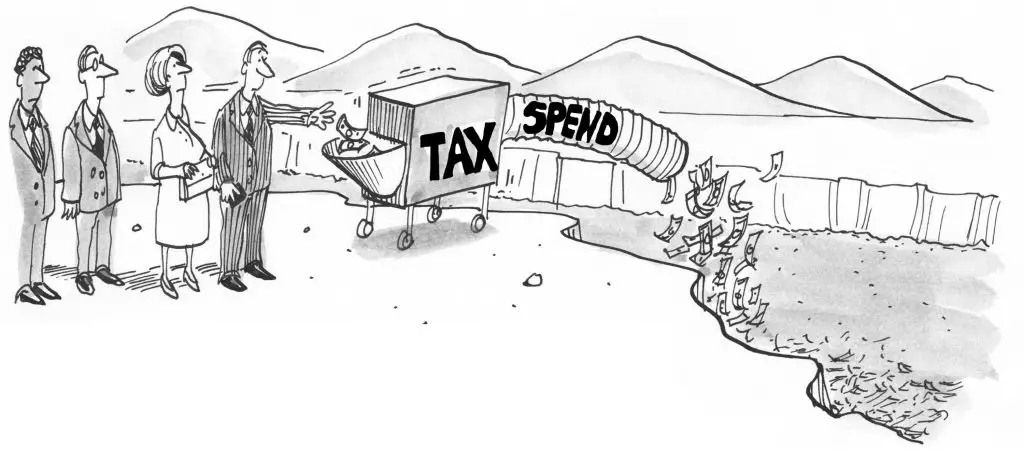
Countries must continue to work to mitigate their vulnerabilities over time. This involves minimizing balance-sheet misalignments, establishing money and foreign exchange markets, and lowering exchange rate passthrough by increasing monetary policy credibility.
However, in the short term—while vulnerabilities remain high—the use of extra instruments may assist relieve short-term policy trade-offs when certain shocks occur. In particular, foreign exchange intervention, macroprudential policy measures, and capital flow controls may help increase monetary and fiscal policy autonomy, promote financial and price stability, and minimize output volatility if reserves are enough and these instruments are available.
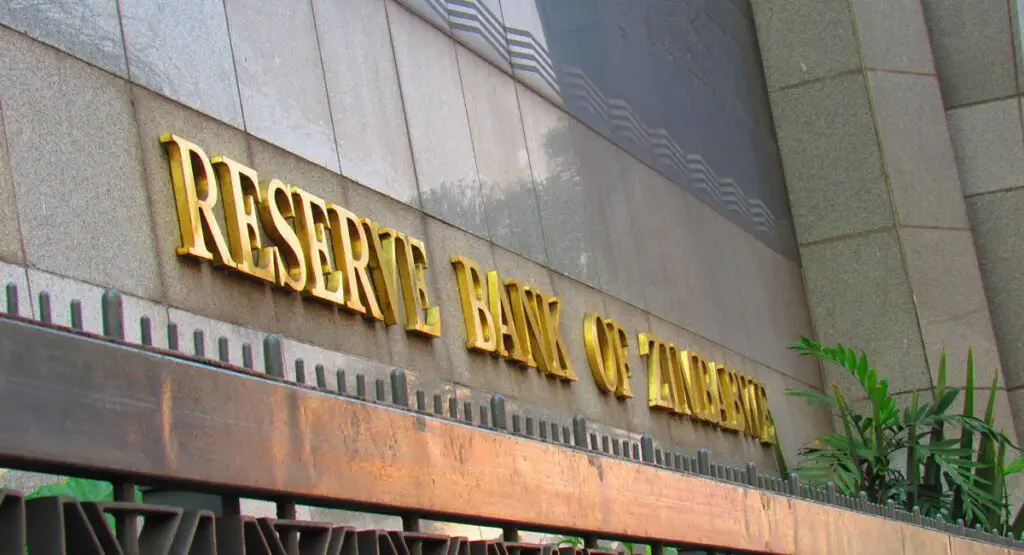
Among Zimbabweans, there is a clear preference for the use of the United States dollar over the local currency. This is to the extent that there are some government services which cannot be accessed without United States dollars.
There are also some basic household commodities and goods that one will need to pay for using hard currency and will not be able to purchase if they have the local currency. Following on the issue of the currency crisis is the fact that exporters are already heavily burdened with operating costs in United States dollars.
Regardless of whether it is an exporter or partial exporter, 40 per cent of all export proceeds generated by Zimbabwean-based exporters must be surrendered to the central bank. This is how the central bank has been funding its auction system to allocate foreign exchange to importers.
To be fair, the surrender requirements are not uniformly or universally applied. The central bank has introduced some concessionary measures. For instance, the tourism and agricultural sectors have been exempted from all foreign exchange surrender requirements. In the mining sector, players are allowed to retain up to eighty per cent of their export proceeds and only must surrender twenty per cent of their export proceeds.

Forex Market is a global financial market where currencies are traded and exchanged. Retail investors can participate in this market…

On October 12th, Law no. 35/20 – the Free Trade Zones Law (“FTZL”) – was passed. The FTZL has established…