

Trending
- Africa’s Green Economy Summit 2026 readies pipeline of investment-ready green ventures
- East Africa banks on youth-led innovation to transform food systems sector
- The Washington Accords and Rwanda DRC Peace Deal
- Binance Junior, a crypto savings account targeting children and teens debuts in Africa
- African Union Agenda 2063 and the Conflicts Threatening “The Africa We Want”
- New HIV prevention drug is out — can ravaged African nations afford to miss it?
- From banking to supply chains, here’s how blockchain is powering lives across Africa
- Modern railways system sparks fresh drive in Tanzania’s economic ambitions


Browsing: fossil fuels

Experts call for a shift from short-term political cycles to forward-looking, long-term effort to address the climate crisis effectively. Carbon…
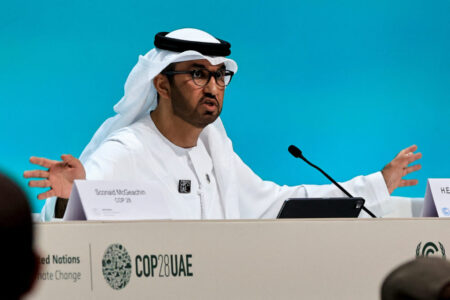
For the first time in climate summits, diplomats from nearly 200 countries at COP28 have agreed on a new global…
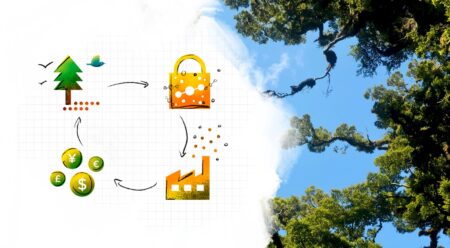
The reward for fixing the carbon credit trade could be enormous, especially for Africa’s energy transition. The $2 billion global…
Global oil and gas producers have remained under immense pressure to show more goodwill in the energy transition agenda. As…
Around 200 countries have agreed on how to run the Climate Loss and Damage Fund to help vulnerable nations address…
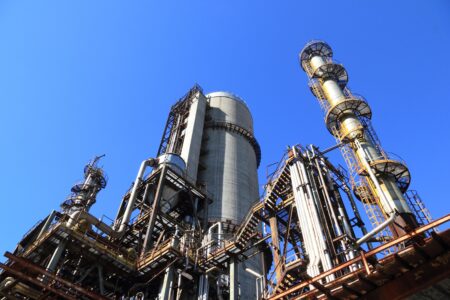
Africa’s oil and gas industry is entering a new era. The world is looking to fast-track its transition from fossil fuels. Consequently, this puts pressure on the continent’s oil and gas-producing nations. Most producing countries remain highly exposed to the global energy transition since their economies depend on oil and gas revenues. Similarly, their oil and gas reserves cost more to produce and, on average, remain more carbon-intensive than those from other regions.
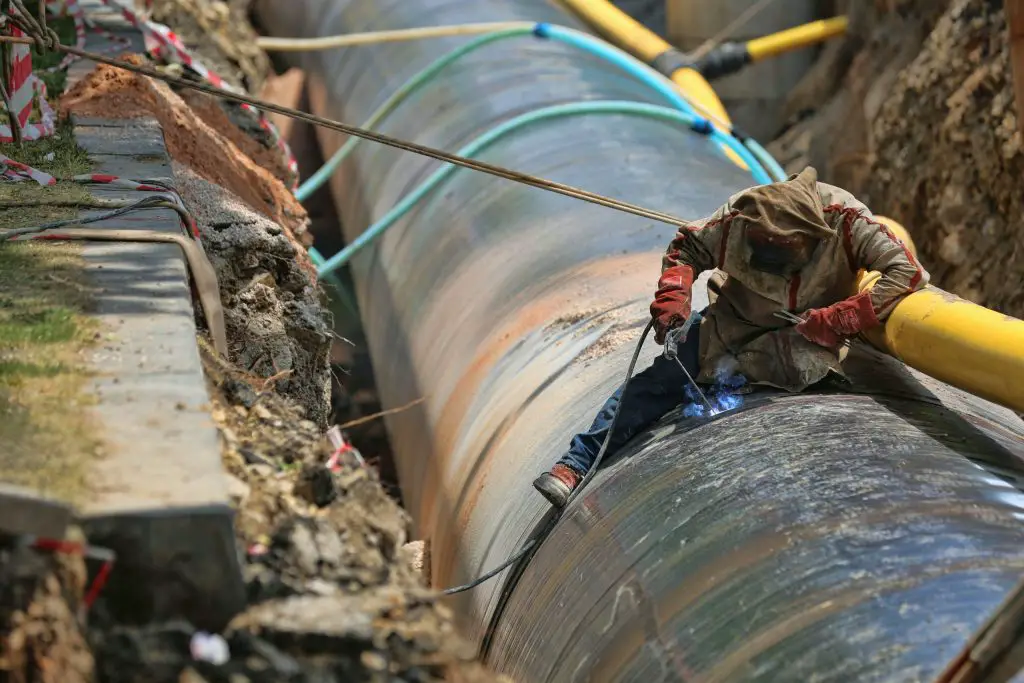
What is good for the goose must also be good for the gander. However, the EU commission has commissioned the Baltic pipe project, somewhat similar to the EACOP. The Baltic Pipe project was inaugurated on September 27, 2022, at an opening ceremony in Goleniów, Poland.
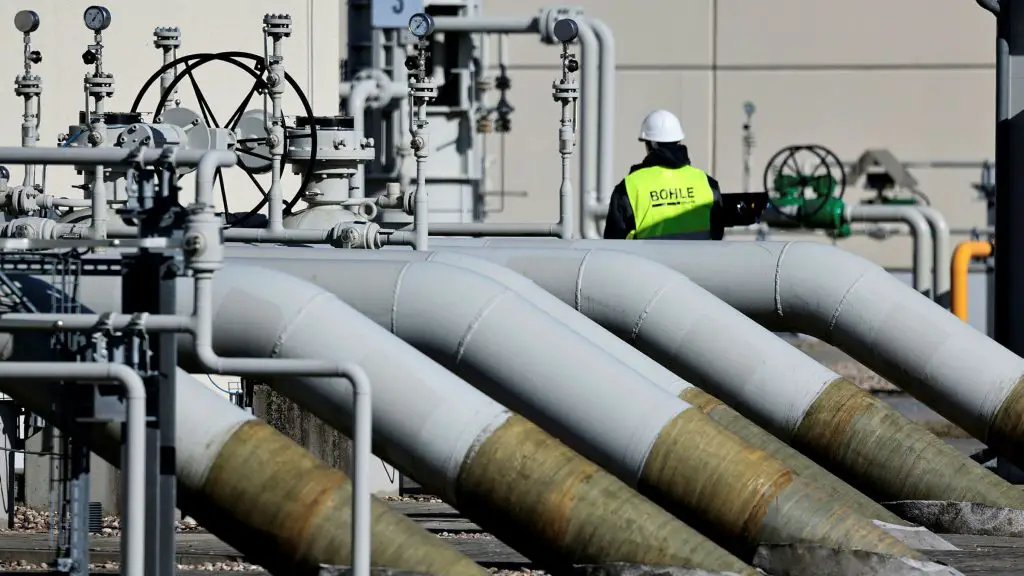
Most African natural gas and oil sources lie in sub-Saharan Africa, including Nigeria, which possesses around one-third of the continent’s reserves, and Tanzania, opportunities Germany should seize.
The proposed Trans-Saharan pipeline would transport gas from Nigeria to Algeria via Niger, traversing a vast, ungoverned area. The proposed pipeline, if built, will connect to the current Galsi, Medgaz, Maghreb-Europe, and Trans-Mediterranean pipelines, which supply Europe from transmission centres on Algeria’s Mediterranean coast.
The Trans-Saharan pipeline would be almost 2,500 miles long. It could send up to 30 billion cubic meters of Nigerian gas to Europe yearly, roughly two-thirds of Germany’s Russian imports in 2021. Unfortunately, the Trans-Saharan pipeline will likely take a decade or more to complete and will face several hurdles as it passes through war and insurgency-ridden areas.