


Trending
- Africa’s Green Economy Summit 2026 readies pipeline of investment-ready green ventures
- East Africa banks on youth-led innovation to transform food systems sector
- The Washington Accords and Rwanda DRC Peace Deal
- Binance Junior, a crypto savings account targeting children and teens debuts in Africa
- African Union Agenda 2063 and the Conflicts Threatening “The Africa We Want”
- New HIV prevention drug is out — can ravaged African nations afford to miss it?
- From banking to supply chains, here’s how blockchain is powering lives across Africa
- Modern railways system sparks fresh drive in Tanzania’s economic ambitions


Browsing: Mozambique
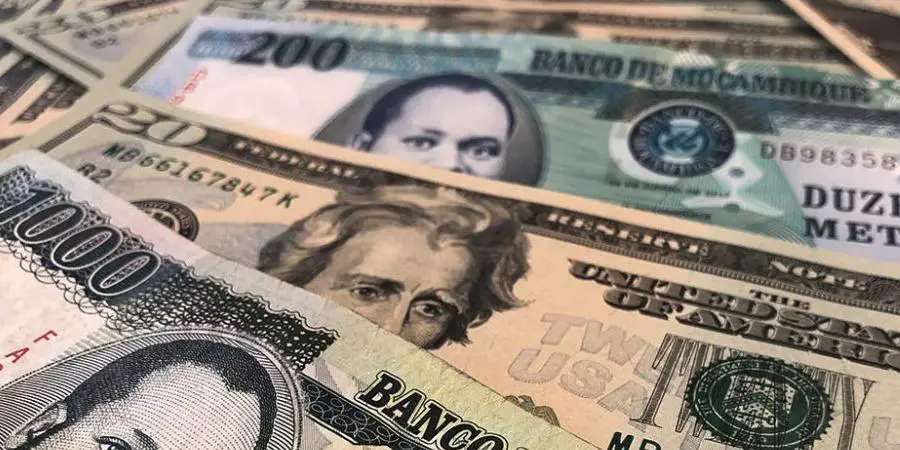
Last March the IMF and Mozambique announced they’ve reached a staff-level agreement on a US $470M facility marking the fund’s…
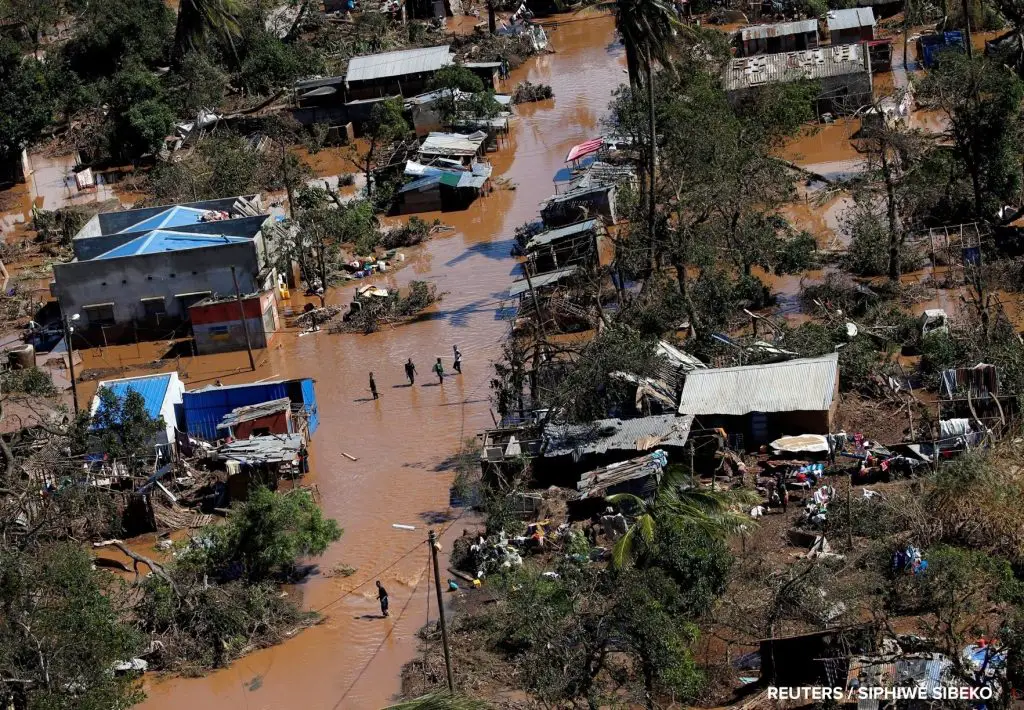
According to a Fair Tech Institute whitepaper by Access Partnership, a global public policy firm for the technology sector, the annual number of natural disasters is set to increase by 37 per cent from 442 to 541 occurrences by 2025.
The whitepaper highlights the urgency with which national governments and the private sector must attach satellite technology to implement more effective disaster management efforts in Africa and globally.
The whitepaper comes after several organizations agreed that climate change would make weather-related disasters more frequent and widespread in coming years.
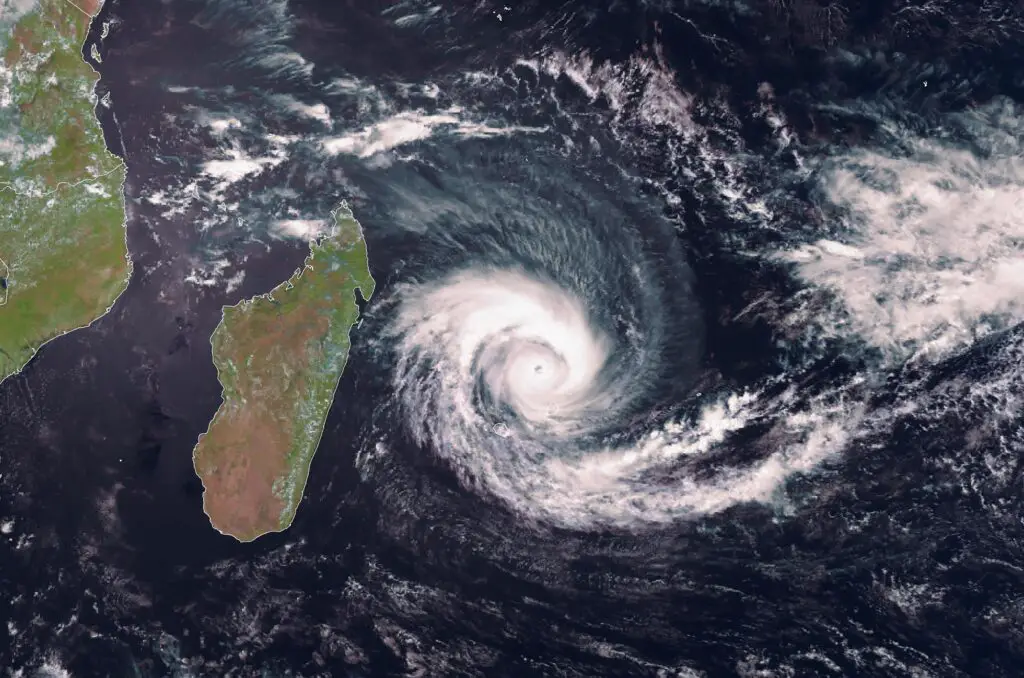
Tropical storm Ana in January 2022 affected 180,869 people, injured 207 people, killed at least 38 people and flooded a…

Pyypl uses advanced Artificial Intelligence (AI) and Machine Learning (ML) for regulatory compliance, Anti Money Laundering (AML), and Counter-Terrorism Financing (CTF).
The platform also conducts real-time Politically Exposed Persons (PEP) and sanctions (both country and individual) screening against the latest and historical UNSC, USDT, FATF, OFAC, and EUCFSF records, as well as all local databases.
Fintech startups in Africa have continued to gain a lot of attention from investors who have been pouring billions of dollars to support the industry.
The Maputo daily Noticias wrote after the SADC summit that a budgetary allocation of US$29.5 million has been set aside for the three-month extension, after high-level consultations and this would mean until at least mid-April.
The SAMIM extension set from mid-January.
Addressing the opening session of the summit, the current SADC Chairperson, Malawian President Lazarus Chakwera, urged regional bloc member states to stick together and ensure that SAMIM remains multidimensional and comprehensive.
Given that South Africa is experiencing similar power generation problems, Robertson believes that if Zimbabwe does not overcome its power difficulties, this will impede economic growth in 2021.
The mining and industrial industries will almost certainly curtail output.
Tax and export income will decline, as will employment growth. This is unfortunate because Zimbabwe wouldn’t be going through all this pain if it had started constructing new power plants earlier.

Remittance flows to the Middle East and North Africa (MENA) region increased by 2.3 per cent to record about $5.6…
In 2013, Rio Tinto had to write down its Mozambican assets by US$3 billion as a result of failure to transport its coal to port for export. The company had invested huge sums of money based on assumptions of vast coking coal reserves that it would export. Upon the insurgence of extremist rebel groups, with escalating violent activities, the rail network was disrupted and there were increased security risks for normal operations to continue.
The company suffered great loss as it failed to recoup its capital outlay and eventually failed to continue its operations. The high-security risks at a time when investment capital is yet to be recouped, have the potential to turn away more foreign capital injections in the gas-rich country.
African economies thrive on an abundance of natural resources. However, the financial resources needed to exploit these resources remain a…

Mozambique—another African country endowed with plenty of natural gas reserves holding 100 trillion cubic feet (Tcf), has suffered another blow…