

Trending
- East Africa banks on youth-led innovation to transform food systems sector
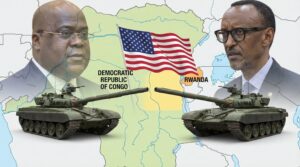
- The Washington Accords and Rwanda DRC Peace Deal
- Binance Junior, a crypto savings account targeting children and teens debuts in Africa
- African Union Agenda 2063 and the Conflicts Threatening “The Africa We Want”
- New HIV prevention drug is out — can ravaged African nations afford to miss it?
- From banking to supply chains, here’s how blockchain is powering lives across Africa
- Modern railways system sparks fresh drive in Tanzania’s economic ambitions
- Viktoria Ventures honoured for advancing angel investing across Africa


Browsing: Namibia
About 200,000 people in Windhoek will benefit from AfDB-funded solar lighting project. AfDB’s Urban and Municipal Development Fund helps countries…
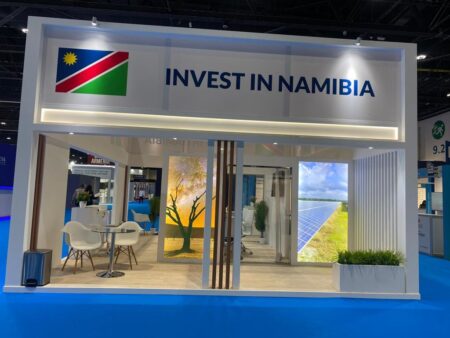
The 12th edition of The Annual Investment Meeting (AIM), highlighted investment hotspots in various parts of the world. The sessions…
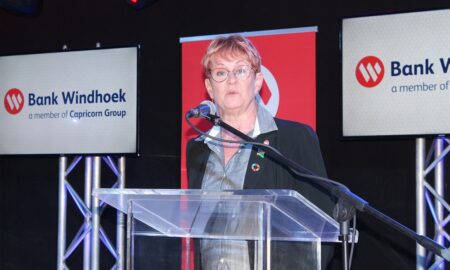
A finance-focused panel at the 2023 Namibia International Energy Conference explored new pathways to financing and developing capital-intensive African energy…
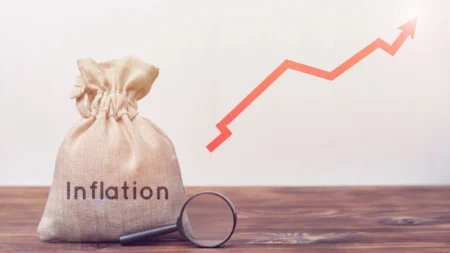
The annual inflation rate for February 2023 increased by 7.2 per cent compared to 4.5 per cent recorded in February…
Namibia has made progress on structural changes to foster economic diversification and boost productivity. Improving the business environment, promoting access to capital, improving governance, and decreasing skills mismatches are crucial for stimulating growth and achieving long-term debt sustainability.
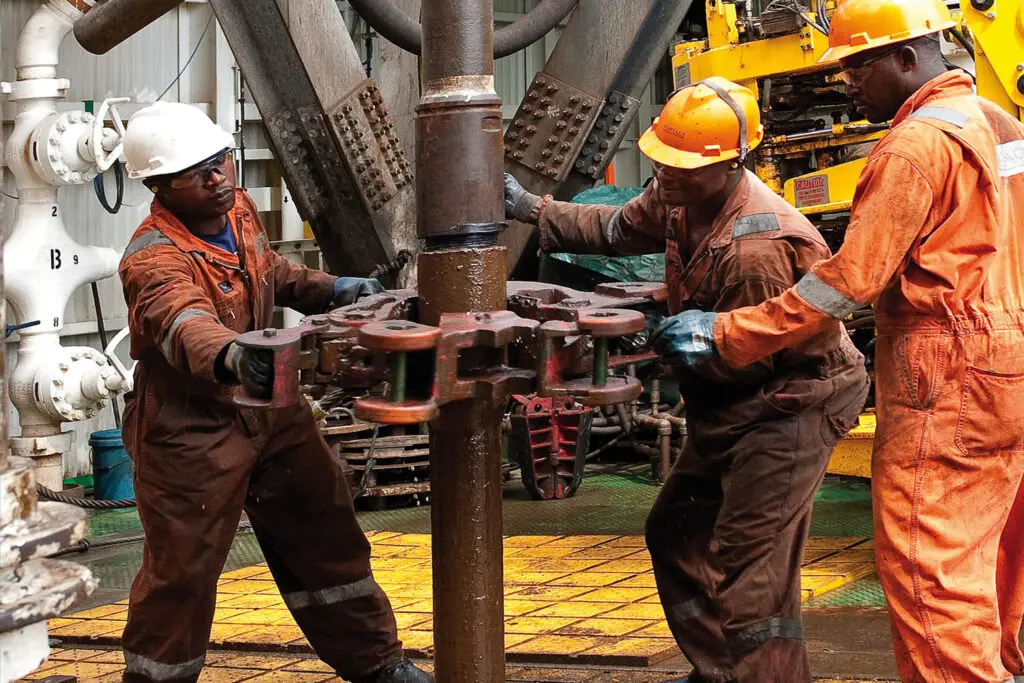
Senegal’s oil and gas discoveries account for only 0.07 per cent and 0.5 per cent, respectively, of world reserves.
But Senegal’s Petroleum and Energies Minister Sophie Gladima said, “they are important enough to radically change the economy and industrial fabric of our country and thereby its future prospects.”
“Just exploiting our hydrocarbons will enable us to accelerate public access to electricity and, above all, to lower the cost of production and encourage industrialisation.”
She further underlined the legal framework needed to bring thousands of Senegalese jobs into the sector and the setting up of the National Institute of Oil and Gas to turn out a highly qualified workforce.
Funny enough, Namibia, also admitted as a member, is not yet producing any oil. Namibia recently announced that it would consider joining the Organization of Petroleum Exporting Countries if the oil fields are found to be large enough for commercial development.
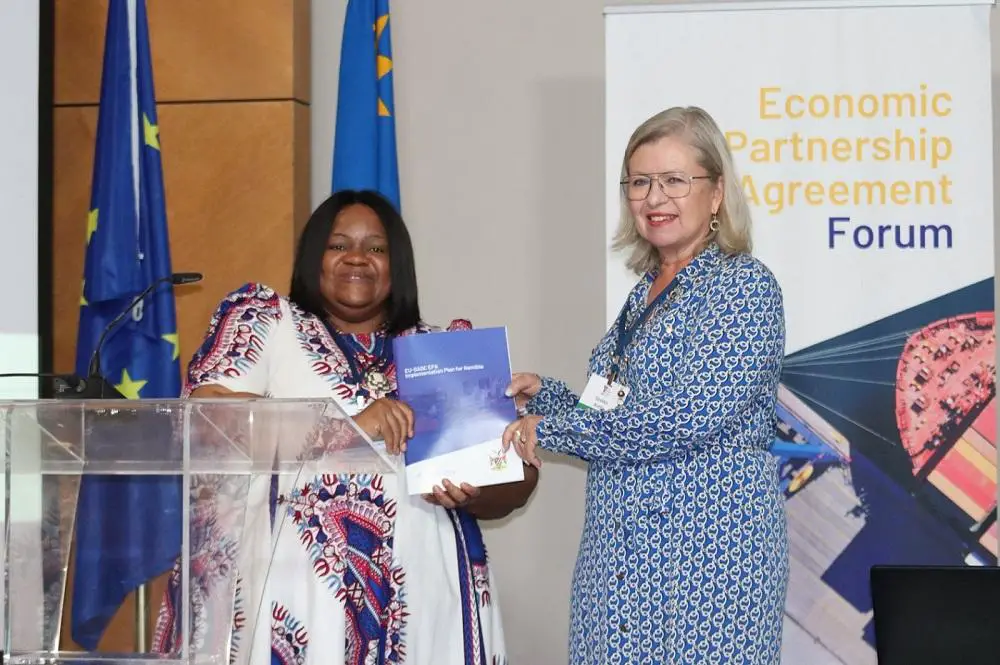
According to the statement, the Forum will have several interactive engagements and presentations focusing on opportunities for Namibian and EU traders, agriculture and agro-processing, manufacturing, and trade facilitation and logistics.
The ministry of trade serves as the coordinator for the plan’s initial goal, which is to provide improved coordination and cooperation across institutions and organizations addressing areas related to EPA implementation.
It is also concentrated on establishing and enhancing the performance of important institutions involved in EPA implementation.
Making a case for technical support to strengthen the necessary legal, institutional, and infrastructure frameworks for Namibia’s EPA implementation is the third point of emphasis.
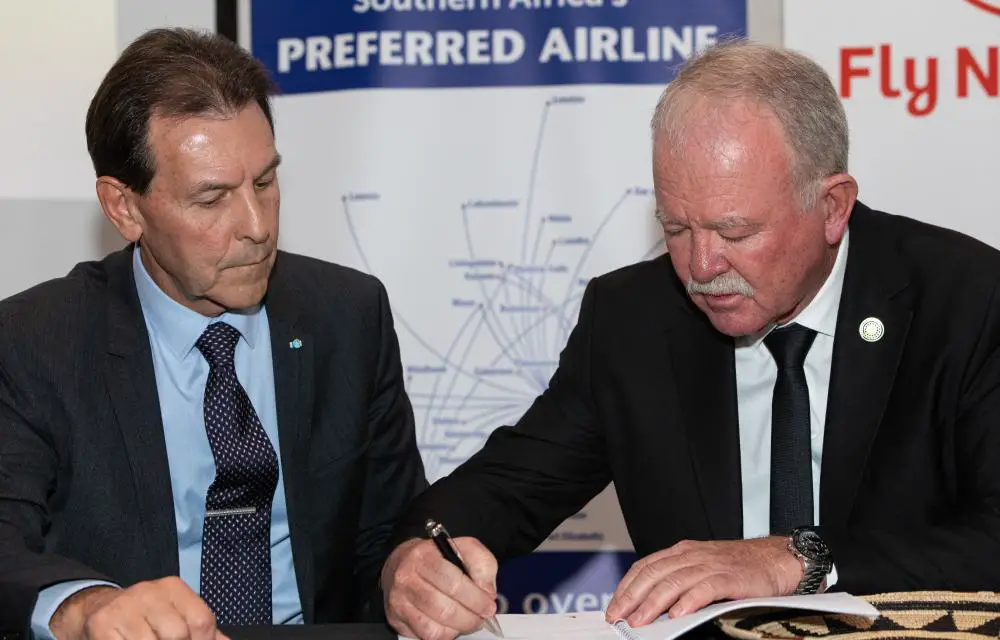
FlyNamibia will adopt Airlink’s “4Z” International Air Transport Association (IATA) designator for its ticket sales and scheduled flights under a commercial franchise agreement. Although it will continue to operate under its own commercial risk.
Namibia’s only scheduled carrier will retain its own corporate identity, brand, and aircraft livery.
According to an announcement made at a news conference in Windhoek on September 28, 2022. FlyNamibia’s inventory will be promoted on Airlink’s reservation system and through its international codeshare partnerships and the changes will come into effect as soon as practicable.
Airlink and FlyNamibia will also optimise their schedules to provide the most convenient connections between their respective flights and with long-haul intercontinental flights provided by Airlink’s other commercial partners, which include more than 20 of the world’s leading global airlines.
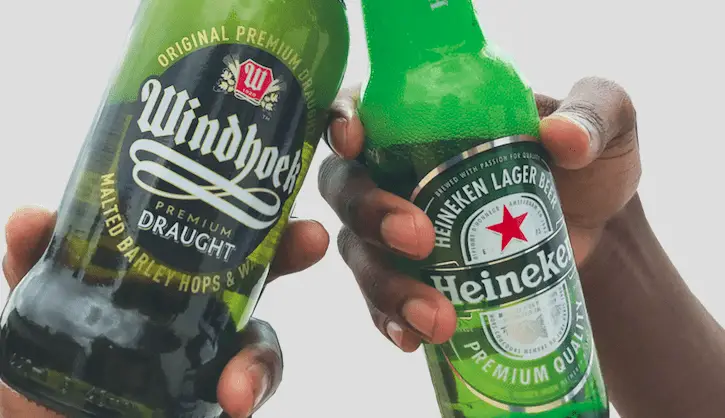
The regulator said retailers would be free to allocate up to 10% of chilled space/refrigerators in each beverage cooler owned by NBL or Distell Namibia in any on- and off-consumption outlet in Namibia.
“This allocation right will apply only to products manufactured or packaged in Namibia by Namibian-owned and Namibian-controlled companies. The existing NBL commercial policy must be amended, and the merged entity will educate its employees and inform the market of the new changes to its commercial policy,” the conditions read.
The commission said it identified entry barriers as a concern, particularly the ability of small Namibian companies to enter the market.
NBL’s commercial policy prohibited retailers from placing other products in NBL-branded refrigerators. After the merger, the likelihood of this policy being enforced could deter or limit the entry of Namibian-owned and Namibian-controlled undertakings into the market.
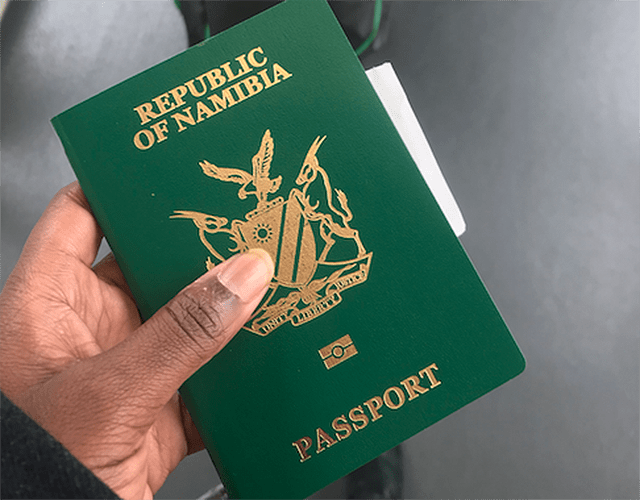
Once fully embraced by all Member States, the free movement of people within Africa is expected to have many important positive effects, including an increase in intra-African trade, commerce, and tourism; easier labour mobility; knowledge and skill sharing within Africa; the promotion of pan-African identity, social integration, and tourism; an improvement in trans-border infrastructure and shared development; the encouragement of an all-encompassing approach to border management; and the promotion of the rule of law, human rights, and shared development
Nationals of Namibia and Botswana will no longer require passports to travel between the two nations after the presidents of those nations decided to open their borders to one another.
The declaration was made at the opening ceremony of the Botswana-Namibia binational commission at the Gaborone International Convention Center by Namibian President Hage Geingob.