

Trending
- Stanbic PMI Report: Mixed performance as Kenya’s agriculture, construction offset manufacturing decline
- Uganda’s land management gets a tech makeover to boost transparency
- Nigeria’s output dips fastest in 19 months on a sharp rise in costs
- Apple faces growing backlash over Congo exploitation
- Why East Africa is staring at higher wheat prices in 2025
- Nairobi Gate SEZ pumps $7 million into Kenya’s agro-processing industry
- What impact will the US election have on Africa?
- Russia and Tanzania unite to double trade, boost Africa market access


Browsing: OPEC
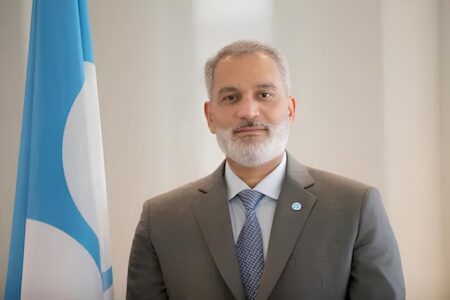
- Half of OPEC Member Countries are African and this includes the continent’s most populous country, Nigeria, and the largest by area, Algeria.
- OPEC also counts Congo, Equatorial Guinea, Gabon and Libya as Member Countries.
- Additionally, two African countries are part of the historic ‘Declaration of Cooperation,’ between OPEC and non-OPEC producing countries, namely Sudan and South Sudan.
Since assuming the office of OPEC Secretary General almost two years ago, I have had the privilege of visiting every African OPEC Member Country, as well as several other African countries. Every visit has reaffirmed my firm conviction that the future is bright for Africa and that the oil industry can play a constructive role in that future. Our Organization stands ready to offer any support it can to help this great continent realize its awesome potential.
OPEC takes great pride in its strong and enduring African connections, heritage and identity. Half of …
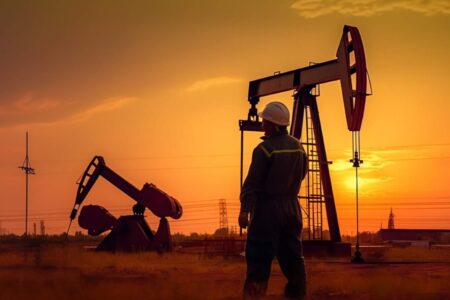
- If oil disappeared tomorrow, thousands of petroleum-based products would vanish with it.
- If oil disappeared tomorrow, it would be catastrophic for health services everywhere.
- If oil disappeared tomorrow, millions of jobs would be lost. Tax revenues would be depleted, and industrial production would crimp.
If oil disappeared tomorrow, there would be no more jet fuel, gasoline, or diesel. Internal combustion engines, automobiles, trucks, lorries, and coaches would be stranded. Airplanes powered by jet fuel would be grounded. Freight and passenger rail powered by diesel would halt. People could not get to work; children could not get to school. The shipping industry, transporting both freight and passengers, would be devastated.
There would be no point in calling emergency services. Most ambulances, fire engines, police cars, rescue helicopters, and other emergency vehicles would be stationary. Most phones and computers would also vanish as their plastic components derive from oil, so it would …
- Congo is working to increase its crude oil and gas production ahead of OPEC negotiations in November.
- Afreximbank is offering $300 million loan to Trident OGX Congo to increase crude oil production by 30%.
- Congo-Brazzaville’s production is expected to rise to 400,000 barrels per day by next year.
Congo is rolling out a plan to increase crude oil and gas production ahead of vital negotiations over OPEC production baselines in November. In the latest move, the African Export-Import Bank (Afreximbank) has entered into an agreement to provide a $300 million loan to Trident OGX Congo aimed at increasing the country’s crude oil production by 30 per cent.
The $300 million loan will enhance Congo’s crude oil output significantly within a year, and double gas production in two to three years, effectively stepping up the country’s 2024 output quota.
Congo-Brazzaville’s production is currently just below 300,000 barrels of oil equivalent per …
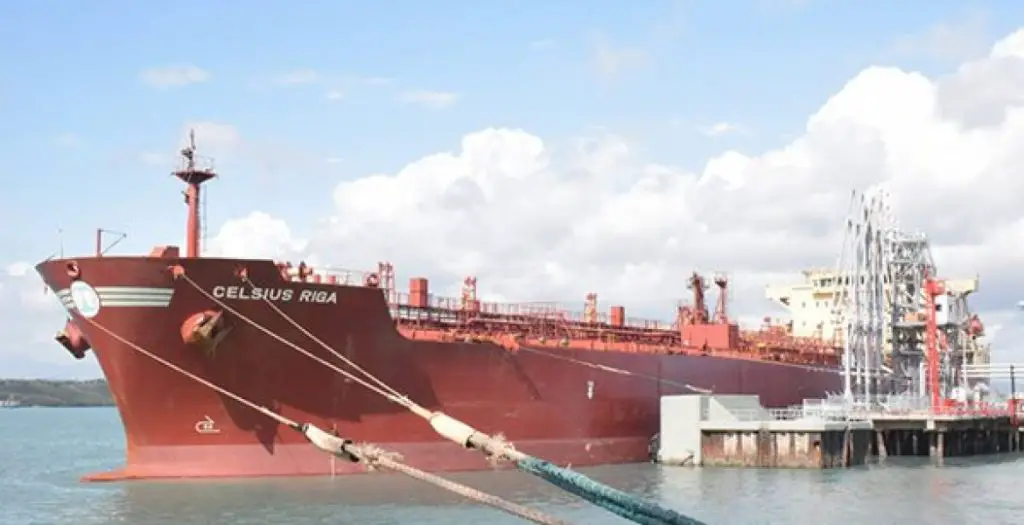
Nairobi will continue purchasing fuel on credit from three state-owned Gulf oil marketers until December 2024 in a plan the government is banking on to ease piling pressure on Kenya’s forex reserves.
The move comes in the wake of high expenditure on oil imports even as Kenya remains a net importer grappling with a widening trade deficit that hit $10.8 billion last year. Last year, Kenya’s expenditure on imports rose by 17.5 per cent to $16.9 billion (KSh2.5 trillion), despite growing export volumes.…
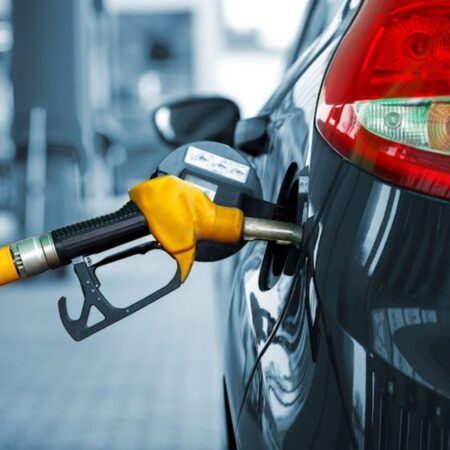
Russia’s invasion of Ukraine in February 2022 threw oil and gas markets into disarray. Consequently, the world experienced the first real global energy crisis during the uneven economic recovery from the COVID-19 epidemic. Russia’s inclusion in the OPEC+ group has hampered international attempts to manage the situation. This has made it harder to handle the significant inflationary effects of rising global fuel prices, particularly in developing nations.
Global fuel prices have risen exponentially in the last few months. The rise is hugely significant, as it has seriously aggravated the global cost-of-living crisis. African economies have particularly been on the receiving end. The continent has suffered from disrupted supply chains and a slowdown in the global economic outlook. Thus, rising energy costs complicate matters even further.…
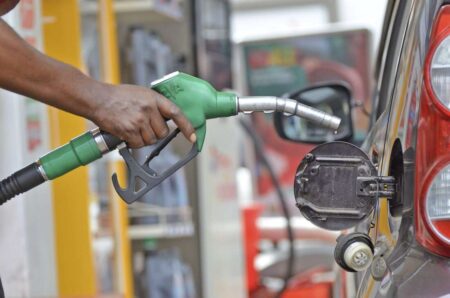
For many Kenyans, life was unbearable during former President Uhuru Kenyatta’s reign. But just one year after President William Ruto came to power, life is getting more onerous. High taxation, the depreciation of the shilling against the dollar, and record-high fuel prices have highlighted the last few months. This has painted a grim picture of Kenya’s future and shattered citizens’ hopes for economic reinvigoration.
On September 14, 2023, the Energy and Petroleum Regulatory Authority (EPRA) announced record-high fuel prices for the September-October regulation cycle. A litre of super will now retail at Kes 211.64, diesel at Kes 200.90, and Kerosene at Kes 202.61. This represents an increase of Kes 16.96, 21.32, and 33.13, respectively, in the new prices announced last midnight.…
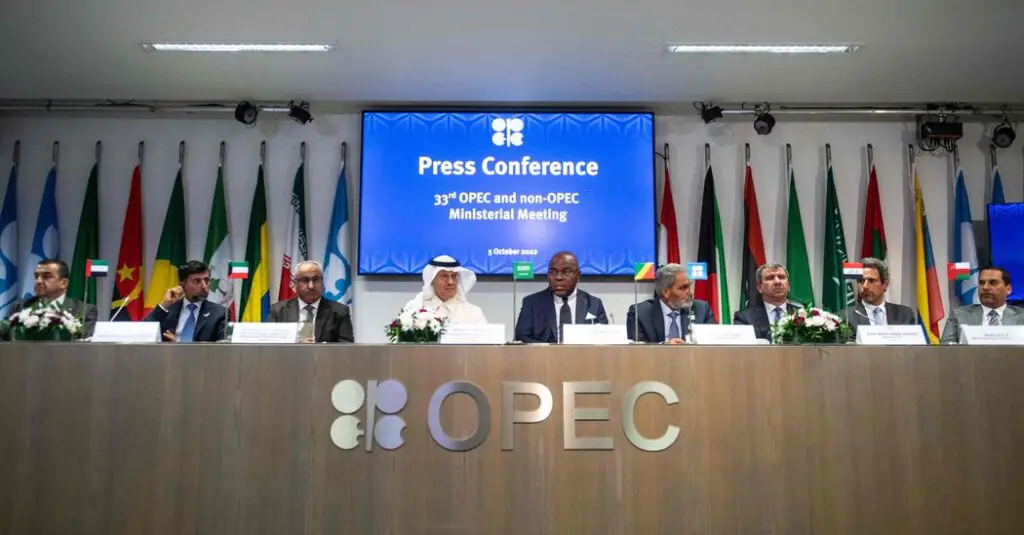
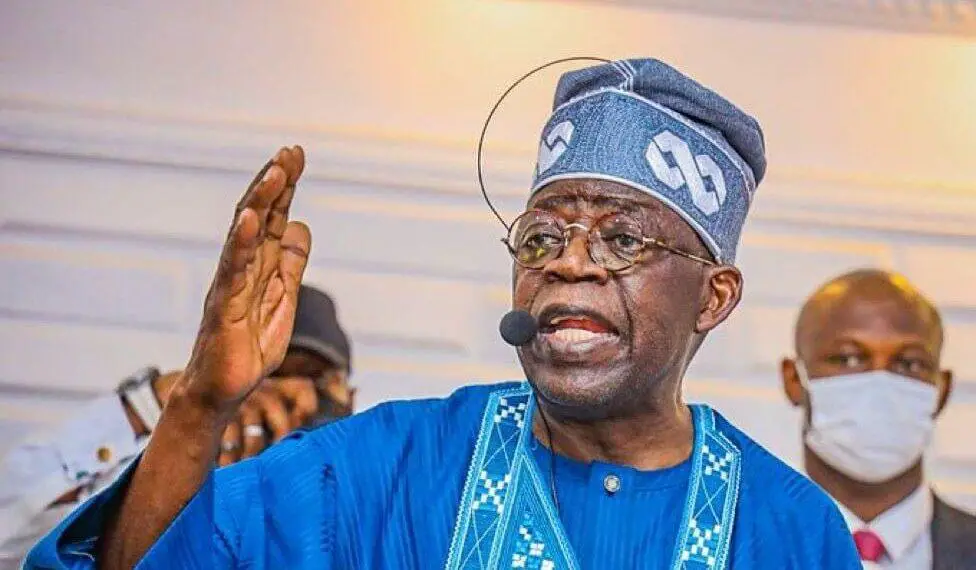
Nigerian presidential contenders must confront persistent insecurity, chronic unemployment, and a deteriorating economic outlook. Bola Tinubu outlined his vision before the Nigeria elections in 2023 in an 80-page paper released by President Muhammadu Buhari at a lavish ceremony on October 21, 2022.…
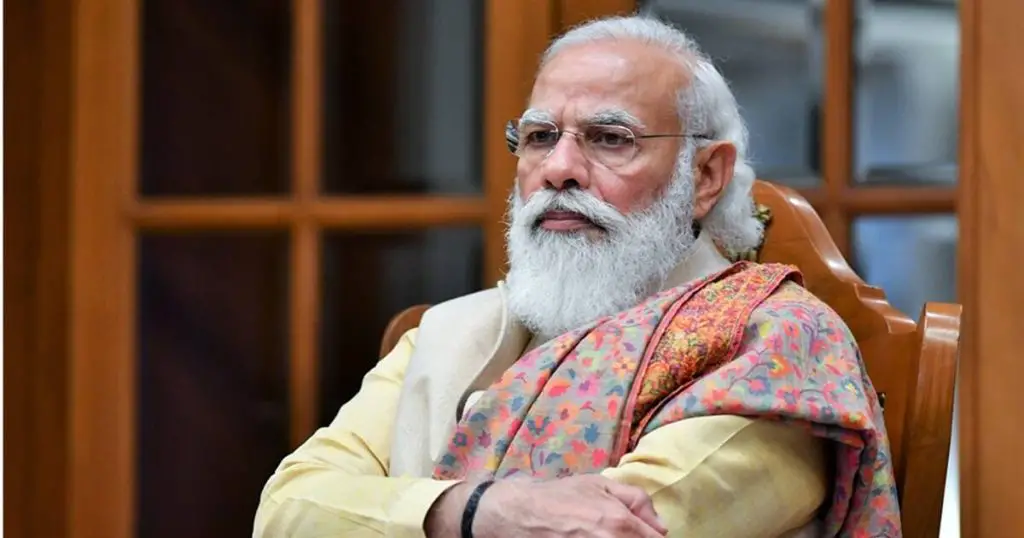
Further, the Organisation of Petroleum Exporting Countries (OPEC) revealed that India’s demand might jump by 8.2 per cent in 2022, to hit 5.15 million barrels per day. This would be on the back of continued recovery against the COVID-19 pandemic.
The country’s demand for the commodity increased by 5.61 per cent from 4.51 million barrels per day in 2020 to 4.76 million BPD in 2021.
OPEC further noted that oil demand would recover in 2022, amid the expected containment of the Omicron variant of COVID-19 and economic growth of 7.2 per cent this year.…