
Trending
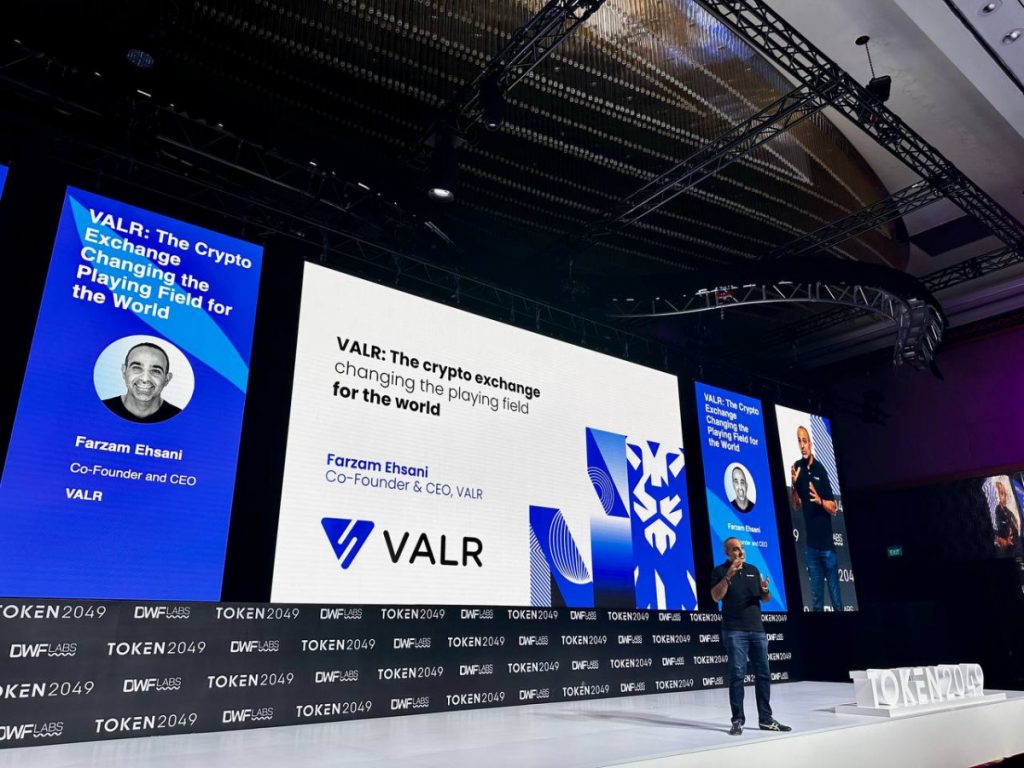
- VALR sets sights on East Africa as blockchain moves deeper into Africa’s financial system
- The cost of the data gap: Why Kenya’s lenders can’t afford to miss the full picture
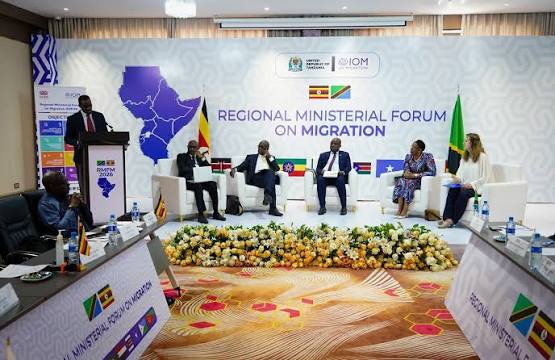
- Tanzania takes EAC labour migration helm as regional rules face overhaul
- 2026 is turning out as a defining year in geopolitics, but for whom?
- Saudi Arabia and Tanzania pledge to deepen bilateral trade ties
- Tanzania rewrites its digital investment playbook
- Ethical sourcing boosting demand for Tanzania organic cotton
- DRC deploys 70,000 Ebola vaccine doses in high-stakes trial against deadly Bundibugyo strain


Browsing: President William Ruto
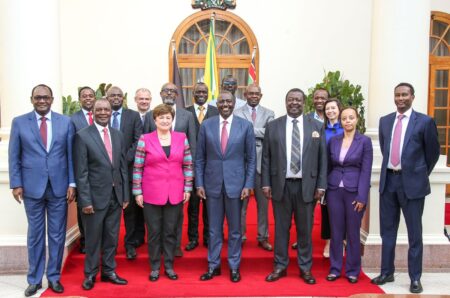
The International Monetary Fund (IMF) has committed an additional $938 million to Kenya as part of a strategy to stabilise the country’s economy.

International delegates have gathered in Nairobi, Kenya, hoping to make further progress towards a landmark treaty to address global plastic pollution. The meeting is happening at the UNEP headquarters as negotiators seek to solve the scourge of pollution resulting from more than 430 million metric tonnes of plastic waste produced annually.
More than 2,000 delegates have attended the global plastics summit. They include representatives from environmental organisations, the oil and gas industry, and civil society groups. The delegates in Nairobi will mull two options: a wide-ranging strategy targeting plastics production or a limited approach focussed on waste management.

In a recent announcement during the US-Africa Business Roundtable in the United States, Kenya’s President William Ruto revealed that Safaricom, a leading telecommunications company, is establishing a strategic partnership with Apple Inc. The Safaricom-Apple partnership will integrate the widely-used mobile money platform, M-Pesa, with Apple’s ecosystem. This integration will expand M-Pesa’s mobile financial services globally.
President William Ruto announced the deal after he toured Silicon Valley in San Francisco Bay, United States, on 16 September. The Kenyan leader is fast gaining popularity across Africa and globally. He has led from the front in marketing Kenya as a conducive ground for foreign business to thrive.

Youth leaders, entrepreneurs and policymakers presented the Africa Youth Climate Assembly Declaration to Kenya’s President William Ruto, and African Development…
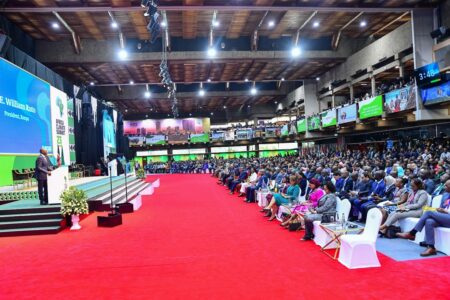
At the first Africa Climate Summit, President William Ruto of Kenya ignited a collective vision for a bold, affirmative, and…
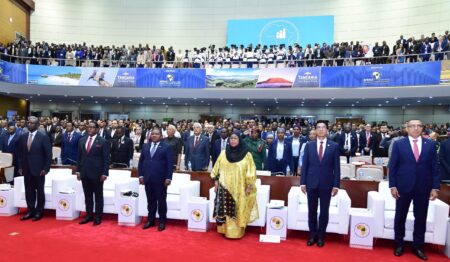
The central role of human capital in development is fast catching up with the developing world. Tanzania President Suluhu Hassan…
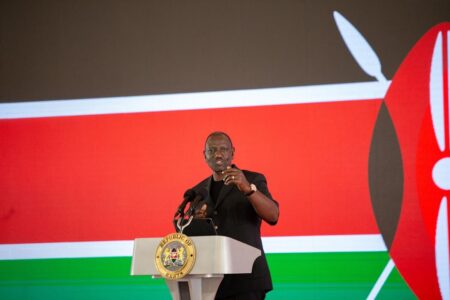
Kenya is keen on delivering quality engineering capacity by establishing Kenya School of Engineering. President William Ruto says engineering holds…
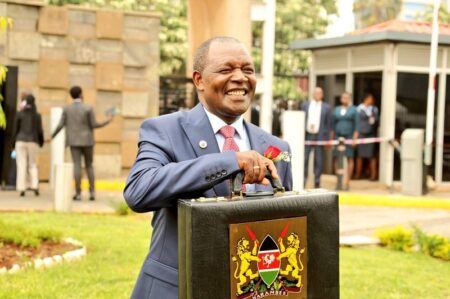
The government of Kenya is deploying measures to protect local industries from the onslaught of cheap imports. Kenya’s $26.4 billion…
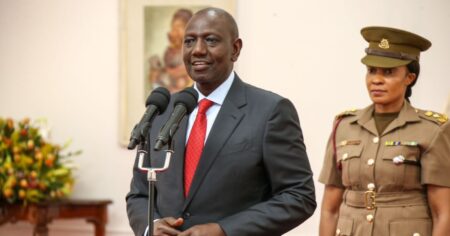
Kenya’s President William Ruto is urging Africa to shift from exports of raw materials to industrial processing of goods. He…
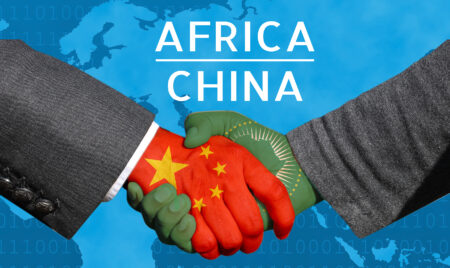
China’s reduced lending to Africa has raised concerns about the future of Africa’s economic development and its relationship with China. The reduction in lending is due to a combination of factors, including the slowdown in the Chinese economy, the growing debt burden of African countries, and China’s increased selectivity in its lending.
The reduced lending has several implications for Africa’s economic future. African countries must find alternative sources of financing, a shift towards domestic resource mobilization, a change in the balance of power between China-African relations, and a potential slowdown in infrastructure development. African countries must navigate these changes carefully to ensure sustainable economic growth in the coming years.