

Trending
- TotalEnergies commits $10 billion to Angola as fresh oil find comes on stream in three months
- In Africa, the conversations defining corporate reputation are going on in channels most CEOs cannot see
- Why economies in Africa must brace for a powerful El Niño
- Passpoint making cross-border payments feel local for African businesses
- Centum Investment’s James Mworia shoulders Kenya’s mega infrastructure funding bet
- Weather experts warn of the most powerful El Niño in decades as extreme weather hits Africa
- Africa Blockchain Festival ignites a new dawn for African innovation
- Africa’s gaming market set to quadruple to $4 billion, defying global slowdown


Author: Martin Mwita

Martin Mwita
Martin Mwita is a business reporter based in Kenya. He covers equities, capital markets, trade and the East African Cooperation markets.
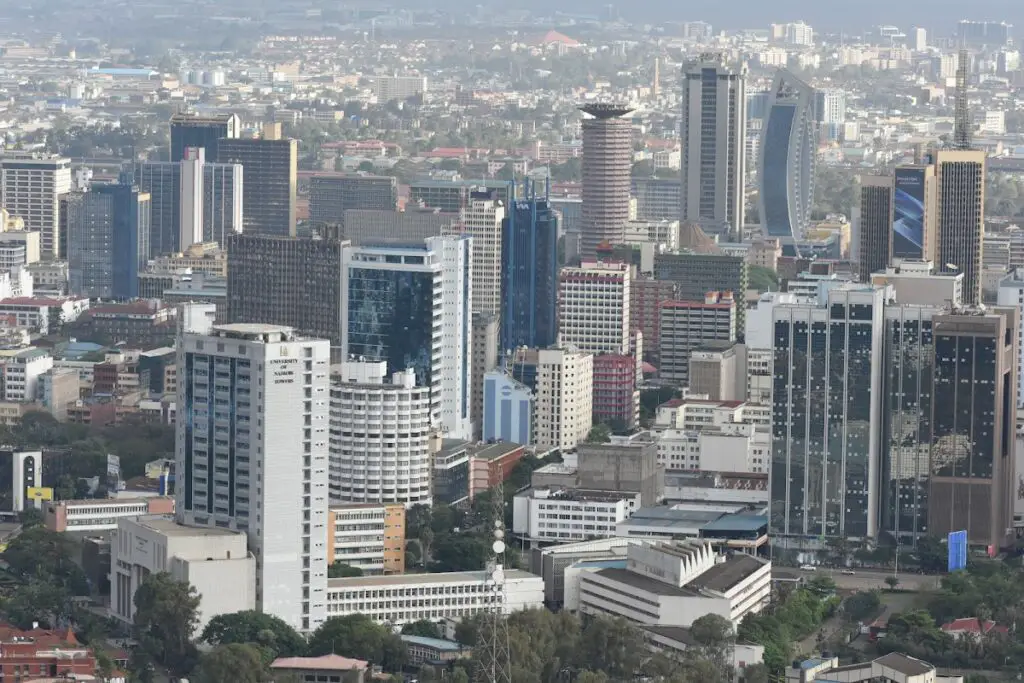
Kenya’s private sector activity and new orders rises for the first time in six months. Selling price inflation hits long-run average as cost burdens ease. However, PMI shows lowest confidence towards future output in the survey’s history. Kenya’s business conditions improved in February, expanding private sector activity due to a further softening of inflationary pressures supported a fresh increase in new order volumes. Stanbic Bank Kenya Purchasing Managers Index (PMI) for February registered at 51.3 per cent as lower fuel prices helped to cool input cost inflation to a 26-month low, supporting the softest increase in output prices for one-and-a-half…
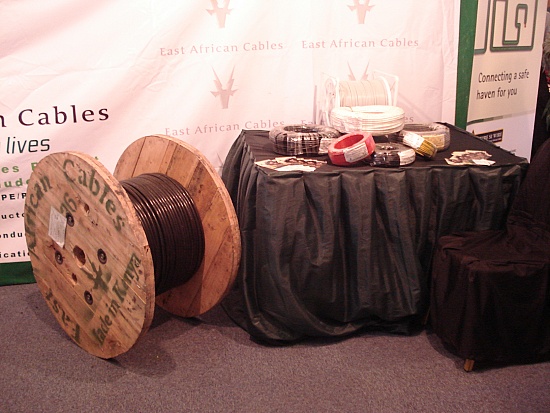
East African Cables is a private limited liability company incorporated in mainland Tanzania. It manufactures extensive cables for domestic and industrial lighting and power electricity transmission. The sale is subject to regulatory and shareholders’ approval. Upon completion of the sale, EAC Tanzania will cease being a subsidiary of the company. Msufini Tanzania Limited (MTL), a chlorine and sodium hydroxide manufacturer, is set to buy a majority stake in East African Cables’s Tanzanian subsidiary if regulators and stakeholders approve an agreed deal between the two firms. East African Cables, which is listed on the Nairobi Securities Exchange, has entered into a…
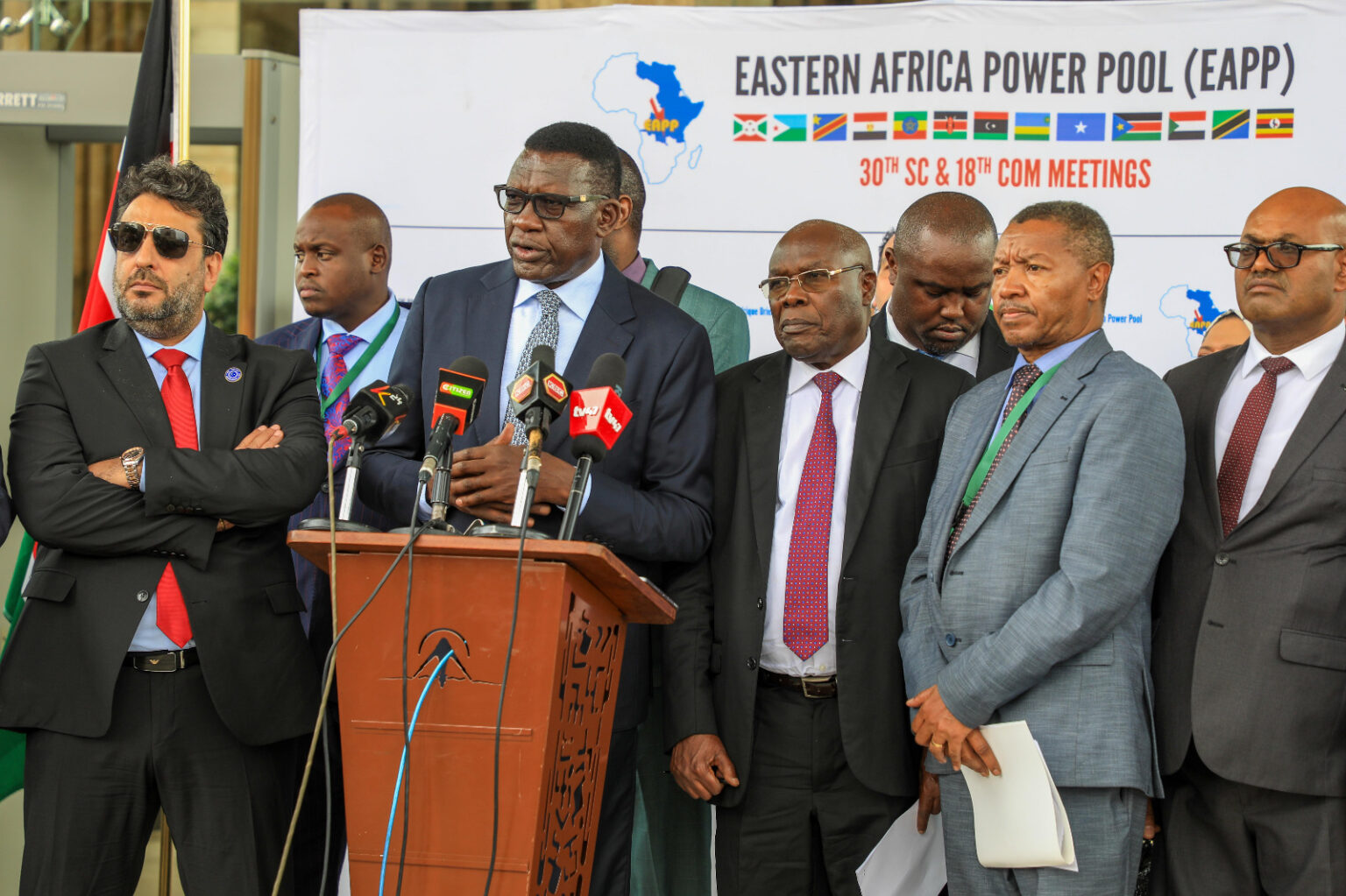
The Eastern Africa Power Pool has made major inroads in increasing cross-border electrification. The system has the potential to connect 600 million people to clean energy. EAPP member countries are Burundi, Democratic Republic of Congo, Djibouti, Egypt, Ethiopia, Kenya, Libya, Rwanda, Somalia, South Sudan, Sudan, Tanzania, and Uganda. The Eastern Africa Power Pool (EAPP) is targeting to go live on power auctioning (trading) by December this year, the secretariat now indicates, in what will allow the 13-member countries to sale excess electricity across borders. This comes as countries continue to build a strong power connection network, amid huge investments in…
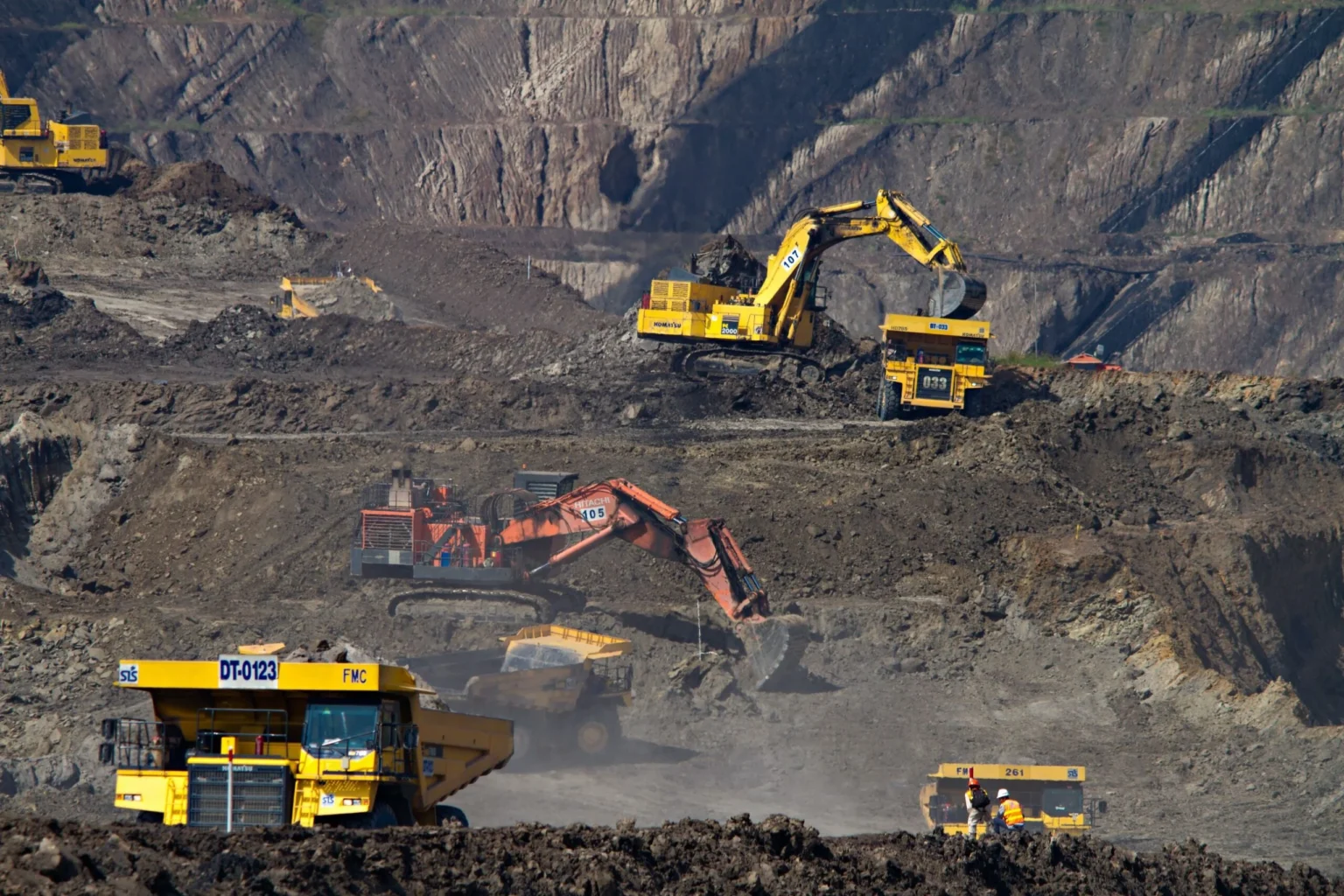
Since 2014, AFC has invested over $1 billion in Africa’s mining of precious metals and critical minerals across several countries. The latest partnerships will further strengthen the sector by driving significant capital flow into the continent. According to the United Nations Conference on Trade and Development (UNCTAD), two-thirds of developing countries depend on commodities. Boosting the mining of precious metals in Africa Africa’s mining sector is poised for significant developments as the Africa Finance Corporation (AFC) throws its weight behind the industry, a key driver of economic growth in commodity-dependent countries. AFC, the continent’s leading instrumental infrastructure solutions provider, has…
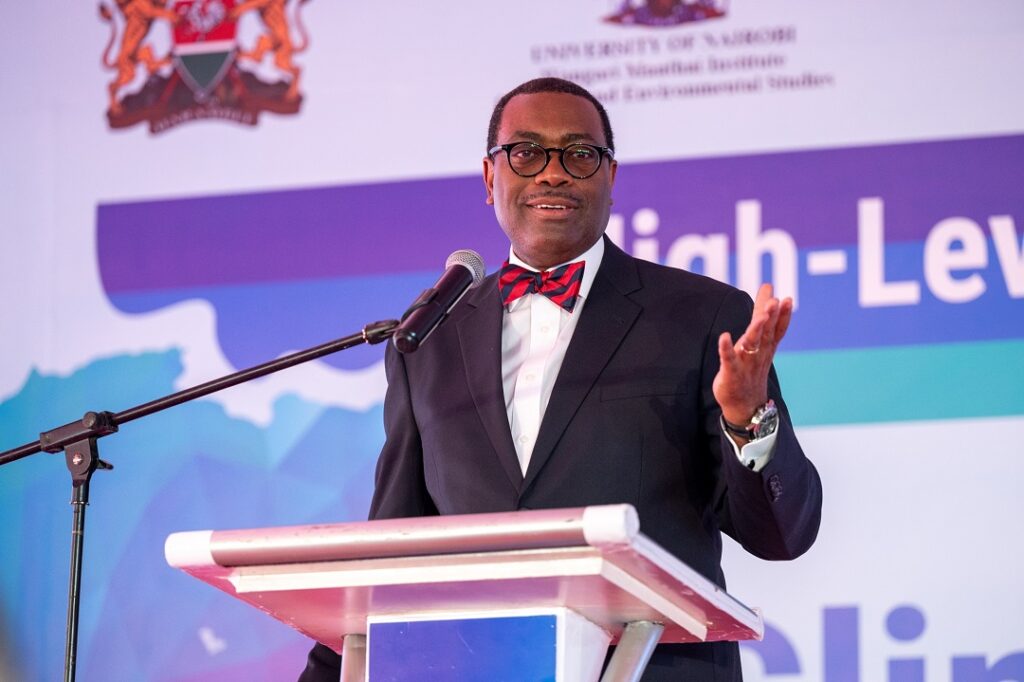
According to the African Development Bank’s Macroeconomic report, Africa will dominate the world’s 20 fastest growing economies 2024. According to the report, the medium-term growth outlook for the continent’s five regions is slowly improving. The report forecasts more substantial growth for Africa in 2024, outpacing the projected global average; the continent is the second-fastest-growing region after Asia. Fastest Growing Economies 2024 The African Development Bank Group’s latest Macroeconomic Performance and Outlook (MEO) indicates real Gross Domestic Product (GDP) growth for the continecustom nfl football jerseys decathlon bmx luvme human hair wigs bouncing putty egg custom kings jersey dallas cowboys slippers…
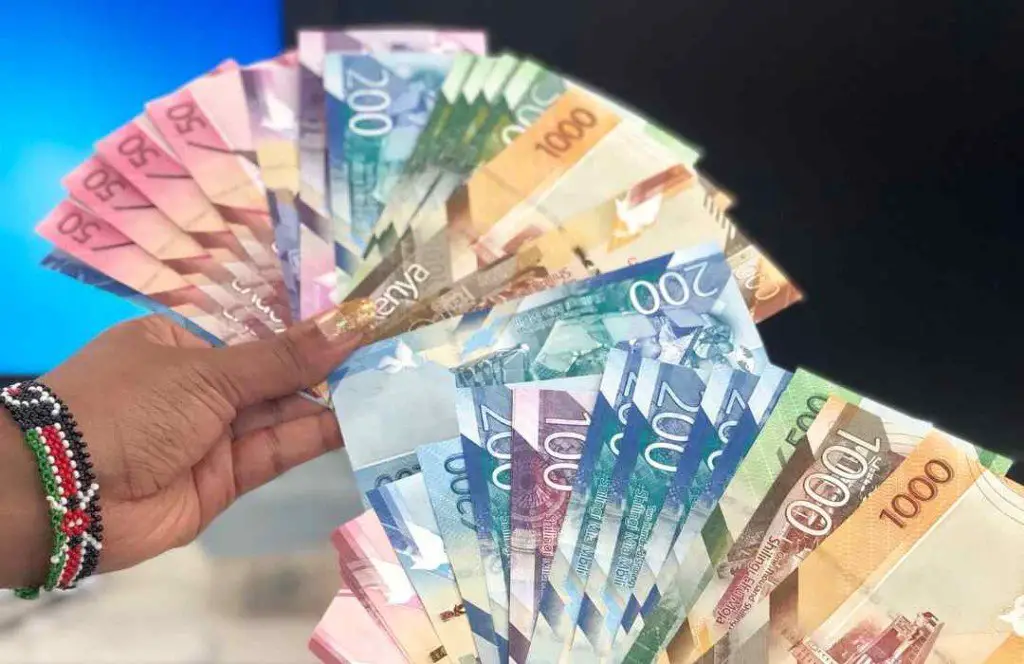
Official data shows that diaspora remittances to Kenya increased to $412.4 million in January 2024, compared to $372.6 million in December 2023. This represents an 18% jump compared to similar month in 2022 as well as 10.7% month-on-month increase in inflows. The cumulative inflows for the 12 months to January 2024 totalled $4.3 billion compared to $4 billion in the same period in 2023, an increase of 5.3 per cent. Kenyans in the diaspora sent home more money in January compared to December, as the strong start of the year signals easing inflationary pressures, mainly in key sourcejock strap brock…
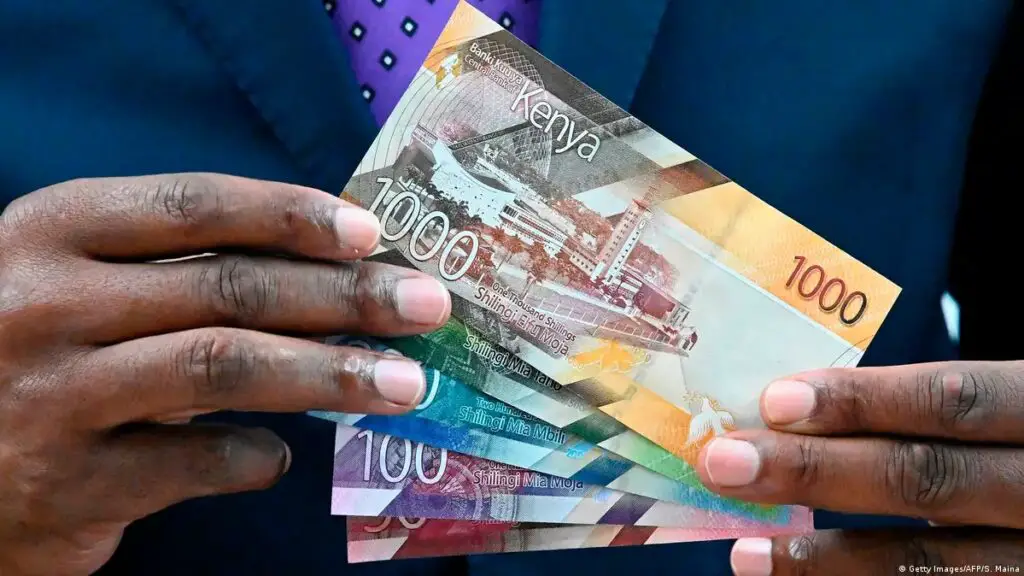
The Kenyan shilling has made a strong turnaround against the US dollar this week, Last Tuesday, Kenya successfully raised $1.5 billion from its Eurobonds buyback offer initiated on February 7, reducing the chance of defaulting payment on its $2-billion-dollar debt due in June. East Africa’s most robust economy plans to use the funds to repay its debut Eurobond issued in 2014. The Kenyan shilling has made a strong turnaround against the Ubest human hair wigs for black females jordan air force 1 latex hood sac eastpak nike air jordan 1 elevate low smith and soul johnny manziel jersey jordan max…
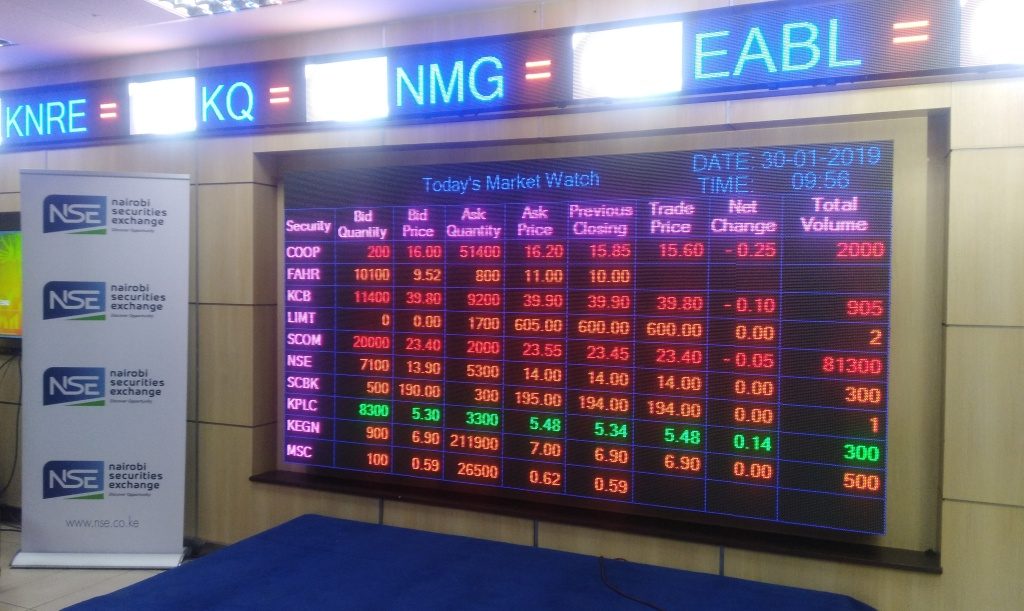
The latest Nairobi Securities Exchange monthly Barometer shows month-on-month growth comparing January this year and December last year, with prospects looking much better after a bear run last year. Market capitalisation increased by 0.08 per cent in January to $9.11 billion from $9.05 billion in December 2023. The NSE 20 and NSE 25 Share Index recorded increases in activity of 0.89 per cent and 1.32 per cent, respectively, while the All-Share Index experienced a 0.08 per cent increase. Nairobi Securities Exchange showing recovery signs Kenya’s capital market is showing a sign of recovery this year, with the Nairobi Securities Exchange…
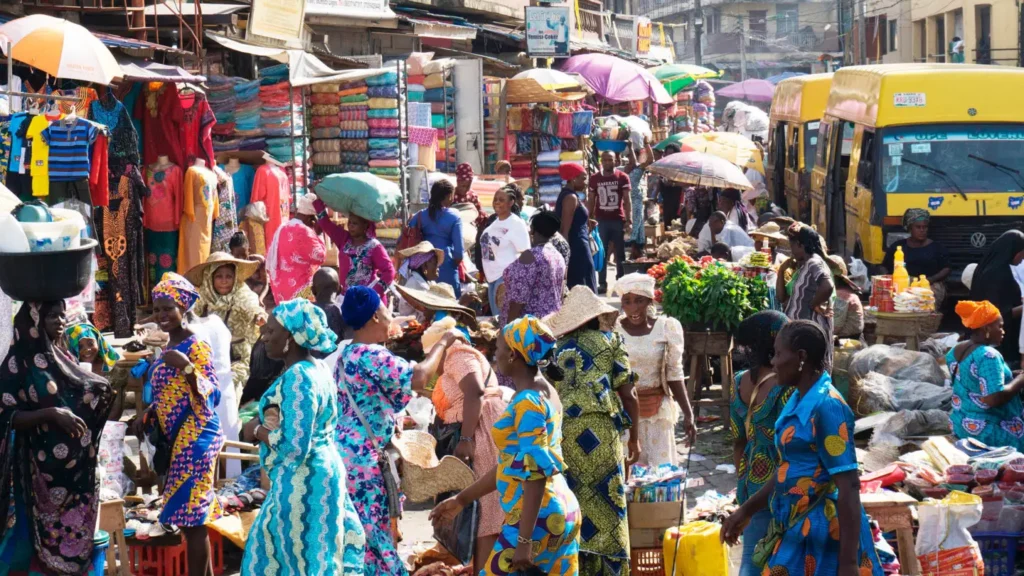
Like many other countries, the IMF has noted that Nigeria’s economy faces a complex external environment and wide-ranging domestic challenges. External financing (market and official) is scarce, and global food prices have surged, reflecting the repercussions of conflict and geo-economic fragmentation. Per-capita growth in Nigeria has stalled, and poverty and food insecurity are high, exacerbating the cost-of-living crisis, according to the global lender. Nigeria’s economy is not yet out of the woods, the International Monetary Fund (IMF) has indicated, with a potential economic crisis despite government interventions to improve the economy. This is even as the country’s real GDP is…
The cost of borrowing in Kenya has been going up since October last year, when it was at 10.50 per cent, before two consecutive raises. This means banks are likely to adjust their interest rates upwards, pushing the cost of borrowing beyond the reach of many. The majority of bank rates are currently above 20 per cent, amid a high default rate as banks struggle with Non-Performing Loans (NPLs). Higher interest rates to raise the cost of borrowing in Kenya The cost of borrowing in Kenya is set for yet another rise if banks are to factor in the latest…