


Trending
- TotalEnergies commits $10 billion to Angola as fresh oil find comes on stream in three months
- In Africa, the conversations defining corporate reputation are going on in channels most CEOs cannot see
- Why economies in Africa must brace for a powerful El Niño
- Passpoint making cross-border payments feel local for African businesses
- Centum Investment’s James Mworia shoulders Kenya’s mega infrastructure funding bet
- Weather experts warn of the most powerful El Niño in decades as extreme weather hits Africa
- Africa Blockchain Festival ignites a new dawn for African innovation
- Africa’s gaming market set to quadruple to $4 billion, defying global slowdown


Author: Martin Mwita

Martin Mwita
Martin Mwita is a business reporter based in Kenya. He covers equities, capital markets, trade and the East African Cooperation markets.
Major shipping lines among them Mediterranean Shipping Company (MSC) and Maersk have been avoiding the Red Sea and the Suez Canal route. This move follows attacks by the Iran-backed Houthi rebels in Yemen, who have been targeting ships travelling to Israel. The Houthis have declared their support for Hamas in the ongoing war Israel war in Gaza that erupted following October 7 Hamas attacks. The East African region remains exposed to high freight costs even as shipping lines indicate they are resuming voyages through the Red Sea after a hitch in December, caused by attacks by Houthi rebels. Major shipping…
Burundi is the other country projected to record one of the fastest growing economies in 2024, according to the IMF. The Fastest Growing Economies in 2024 (real GPD growth) projections index places Rwanda ahead of her regional peers with a projected growth of 7.0% next year. Tanzania comes in closely with a projected growth of 6.1% while that of Burundi is forecast to grow at 6%. Rwanda, Tanzania and Burundi will be the fastest growing economies in East Africa in 2024, the latest projection by the International Monetary Fund (IMF) indicates, with all countries posting economic growth above the world’s…

The collaboration seeks to play a significant role in closing the tech skills gap in Africa, fostering job creation, entrepreneurship, and empowering the continent’s youth with in-demand digital skills. Through the partnership, Microsoft and Gebeya aim to upskill 300,000 developers across eight countries over the next three years. They include Kenya, South Africa, Ethiopia, Democratic Republic of Congo, Lesotho, Nigeria, Egypt and Mozambique. Microsoft and Gebeya Inc., the leading Pan-African SaaS-enabled tech talent marketplace, have partnered to launch a new skills and jobs matching platform called Microsoft.Gebeya.com. The collaboration seeks to play a significant role in closing the tech skills…

Business conditions in Kenya remained in a steep decline halfway through the final quarter of the year, according to the latest Purchasing Managers’ Index (PMI) by S&P Global.
This comes amid sizeable falls in output, new orders, and employment in November, as indicated by the PMI, which closely monitors market-moving economic indicators, covering more than 30 advanced and emerging economies worldwide.

The Central Bank of Kenya benchmark rate has gone up to 12.5 per cent from 10.5 per cent. Developing economies including Kenya are paying dearly for geopolitical tensions. The current US policy rate at 5.25 per cent -5.5 per cent is the highest in 22 years, exerting pressure on economies. Borrowers in Kenya are facing the prospect of more expensive loans following the country’s central bank’s decision to raise its base lending rate to a near 11-year high of 12.50 per cent. This marks an increase from the 10.50 per cent rate that has been in place since June this…

Annual tourist arrivals to the EAC are anticipated to increase to about 14.05 million by 2025, from the 7.2 million recorded in 2019. Kenya targets 5.5 million international tourist arrivals and a $6.3 billion annual contribution by 2028. Fast-tracking of the EAC Single Tourism Visa remains critical to sell the region as a single tourism investment hub. Diversification of products beyond traditional attractions and joint promotion of the region is a catalyst to revamping the East African Community as a single tourism market. This call on a single tourism market was underscored by regional Ministers responsible for EAC Affairs and Tourism…

World Bank foresees $12 billion in support for Kenya between 2023 and 2026. This financing is subject to approval as East Africa’s economic powerhouse continues to depend on borrowing to bridge budget gaps in the wake of high recurrent expenditures and revenue shortfalls. The World Bank said it is fully committed to support Kenya in its journey to become an upper-middle-income country by 2030. Kenya stands to benefit from up to $12 billion in financing from the World Bank over the next three years, as indicated by the global lender, ensuring continued support for the debt-saddled country. This is subject…

Most East African family businesses believe that it is essential to be trusted by customers, employees and family members. Among those who consider trust among each group important: 56% are fully trusted by customers, 47% are fully trusted by employees and 77% are fully trusted by family members. East Africa’s level of trust is slightly higher than global survey on family businesses. Family businesses in East Africa demonstrated robust performance over the past financial year, with 64 percent experiencing growth, compared to 46 percent in 2021, as indicated by a survey conducted by the advisory firm PwC. The PwC’s East…

The Kenya Tourism Board has developed a five-year (2023-2028) strategic plan to propel the growth of tourist arrivals. It aims to increase the tourism sector’s contribution to Kenya’s economy to $6.6 billion annually by June 2028. Public-private sector collaboration in destination marketing is one of the strategies being employed, incorporating ideas that will shape the industry’s performance within the review period. Kenya aims to increase annual international tourist arrivals to 5.5 million in the next five years, a goal that would more than triple the current numbers. The ambitious plan is spearheaded by the country’s primary marketing unit, the Kenya…
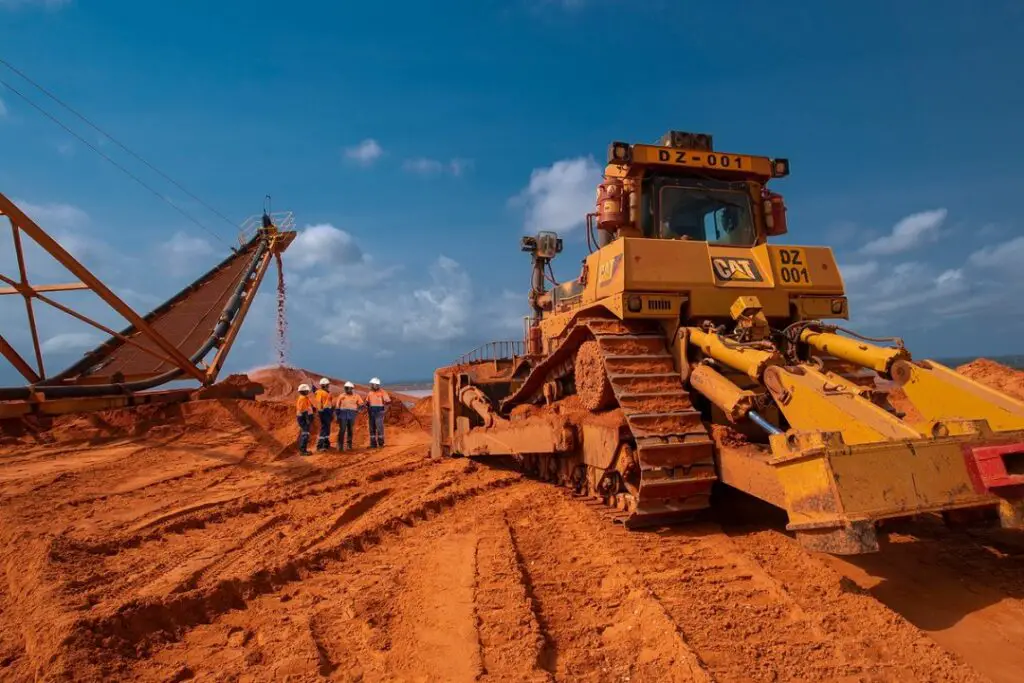
The Kenyan government has revoked 1,546 licenses in the mining sector as it gradually resumes licensing, marking the end of nearly four years of a standing moratorium. Principal Secretary Elijah Mwangi, from the State Department for Mining, confirmed that the ministry has undertaken a thorough audit of all mineral rights holders to identify non-compliant rights.