

Trending
- AI’s Dual Capacity and a Strategic Opportunity for African Peace and Security
- How African economies dealt with the 2025 debt maturity wall
- Africa’s Green Economy Summit 2026 readies pipeline of investment-ready green ventures
- East Africa banks on youth-led innovation to transform food systems sector
- The Washington Accords and Rwanda DRC Peace Deal
- Binance Junior, a crypto savings account targeting children and teens debuts in Africa
- African Union Agenda 2063 and the Conflicts Threatening “The Africa We Want”
- New HIV prevention drug is out — can ravaged African nations afford to miss it?


Author: Padili Mikomangwa
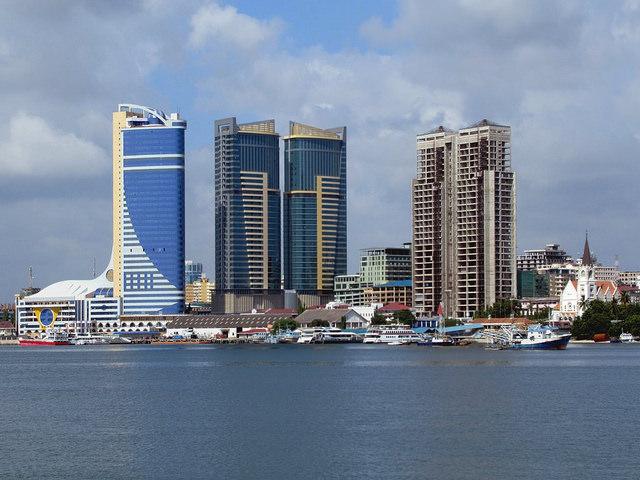
The EABC noted that foreign direct investments from the US. to Tanzania stood at US$1.5 billion in 2019, a 5.2 per cent increase from 2018. Tanzania is followed by Kenya – which received US$353 million in the same year – followed by Uganda US$42 million, Rwanda (US$11 million) and Burundi, which managed to attract US$1 million in the same year (2019).
Tanzania has managed to secure the US. as a development partner and as a viable investment in potential sectors such as mining and agriculture. President Samia has worked to give the investment landscape 180 shifts, particularly enhancing the domestic and international confidence in Tanzania’s business climate.
Over the past years, agricultural produce, minerals and textiles have covered most of the goods exported to the US. However, there are other avenues of potential investment in Tanzania, especially in oil and gas, real estate, manufacturing and telecommunications.
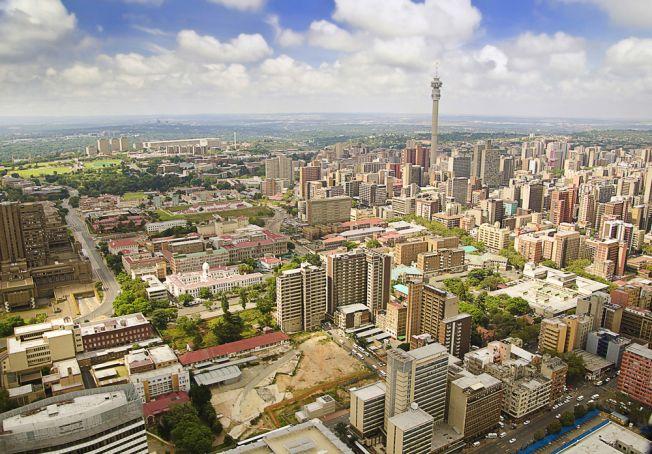
The AfCFTA presents a significant opportunity for African countries to bring 30 million people out of extreme poverty and to raise the incomes of 68 million others who live on less than $5.50 per day. The AfCFTA is the new anchor to pull multinationals to invest in Africa.
This agreement not only brings hope to African governments but also encourages current efforts on the ground, which improve jobs in Africa.
The World Bank points out that the AfCFTA will create the largest free trade area in the world, measured by the number of countries participating. The pact connects 1.3 billion people across 55 countries with a combined gross domestic product (GDP) valued at $3.4 trillion.
It has the potential to lift 30 million people out of extreme poverty, but achieving its full potential will depend on putting in place significant policy reforms and trade facilitation measures.
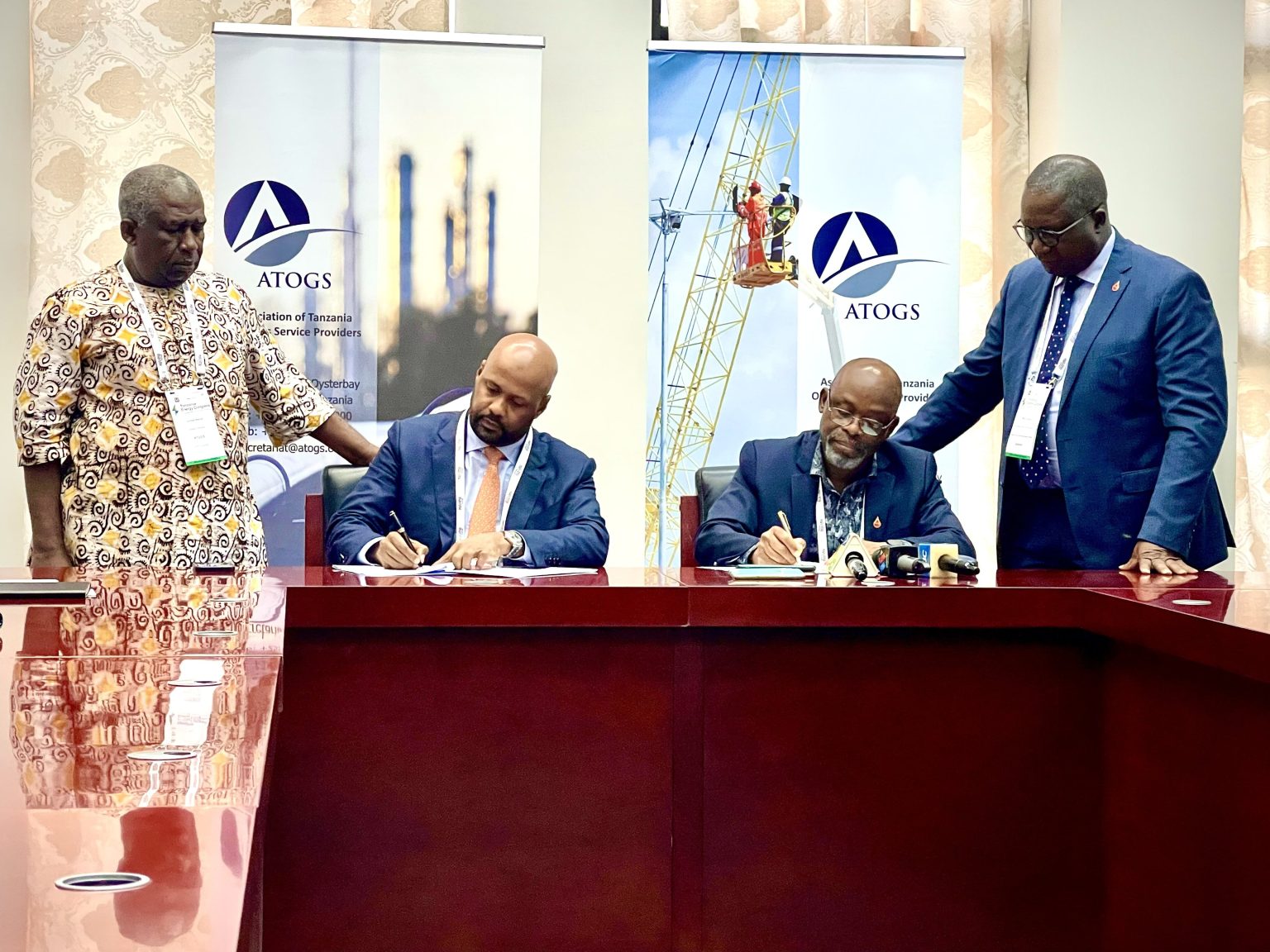
The second issue the MoU covers is building capacity on health and safety standards, which is another key disqualifier marked on local companies when competing with global actors in the oil and gas market.
Further, the MoU brings onboard knowledge to help the local technocrats, upcoming companies, and experts submit and succeed at various tenders offered on the international markets. In most cases, local companies have lost tender bids to experienced foreign companies.
“We need the local players to understand deeply about these oil and gas related tenders and deliver within the internationally recognized standards”, He added.
The ATOGS chief didn’t hold back his grand ambition to transform Tanzania’s business operations for the greater good, highlighting Nigeria’s success story.
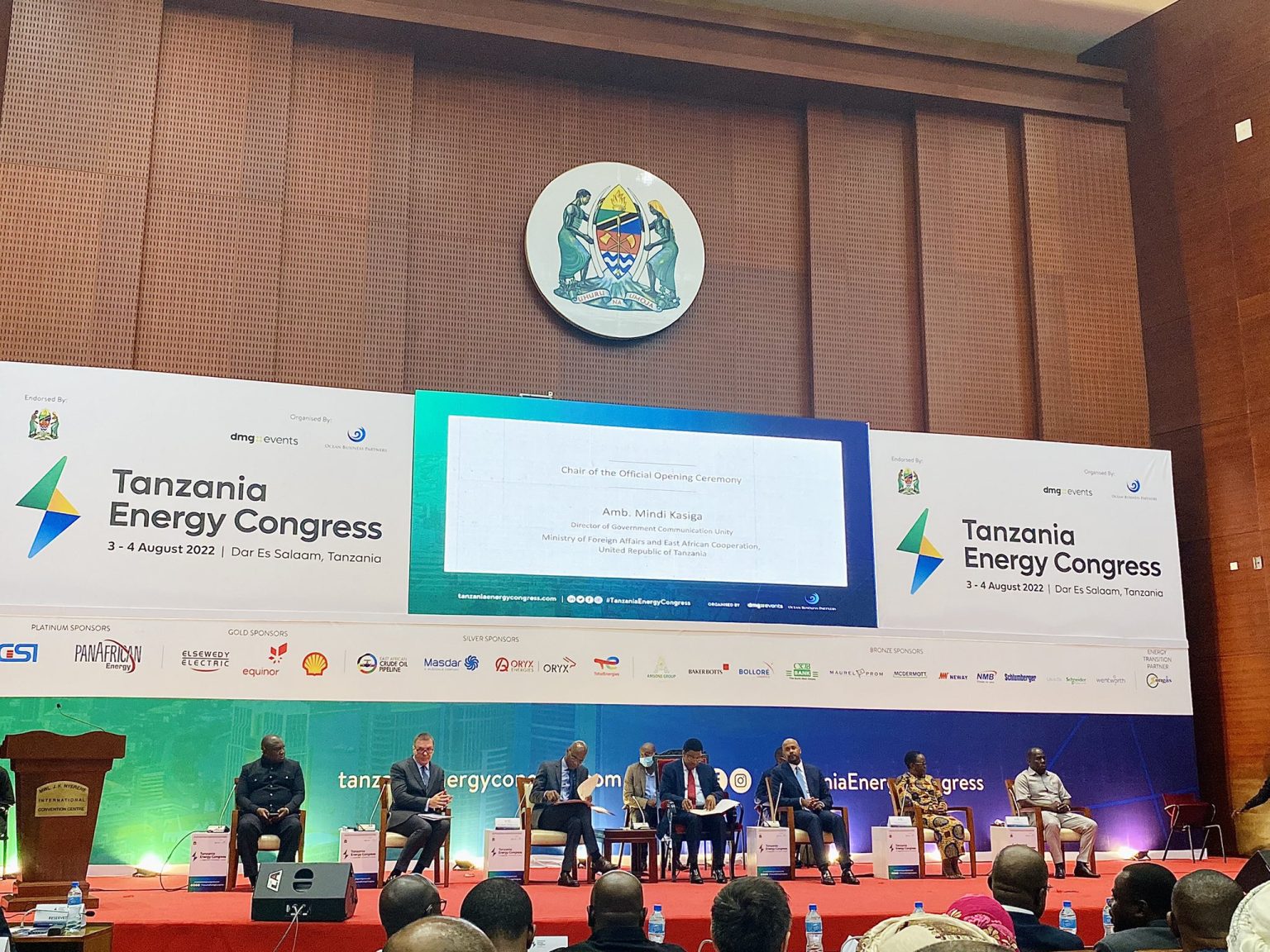
Mega oil projects in East Africa such as EACOP are transforming the way local content is executed Pan African Energy Tanzania (PAET) is transforming energy generation capacities in Tanzania Tanzania is planning to expand its power ambition by becoming an independent power provider beyond the border TheTanzania Energy Congress (TEC) kicked off in the nation’s commercial capital – Dar es Salaam by summoning more than 1000 participants and 100 exhibitors from 25 countries worldwide at the forefront of top-tier discussions about partnership and groundwork. TEC is unveiling several exciting issues that could bring Tanzania’s local players and international oil and…
Reallocation of government financing is essential in unlocking infrastructure potential. It eliminates the crowding out of private-sector funding, as government investing in most commercially viable assets is crucial to those with lower returns (Mckinsey).
Tanzania is one of the nations that leverages its internal revenue to fund its projects, including iconic bridges in the nation’s commercial capital and several roads, buildings and facilities across the country.
Kenya is another excellent example of a solution offered by Mckinsey as the government prioritised investment in municipal infrastructure as part of a drive to provide 500,000 new affordable housing units in five years.
Ethiopia is moving similarly, whereby it has prioritised investment in industrial development zones to attract global apparel manufacturers.
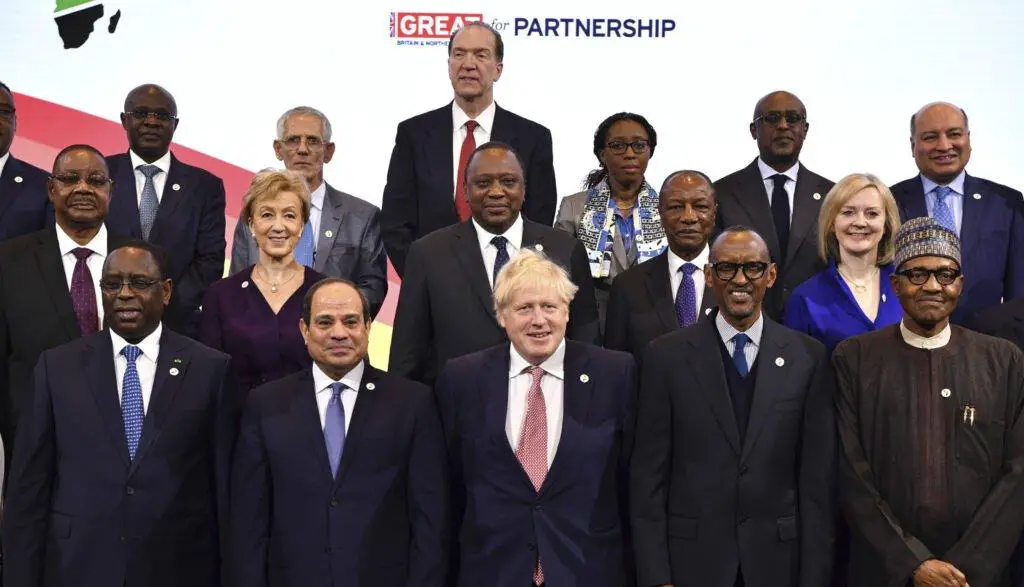
According to The Carnegie Endowment, “UK investors accounted for the second-largest FDI stock in Africa in 2019 with US$66 billion, with roughly 83 per cent concentrated in oil, gas, mining, and financial services.”
However, the connection between the two areas is important. After the UK’s post-Brexit foreign and development policy, the relationship between the two was strengthened in 2020 during the UK Africa Investment Summit, thanks to the establishment of the UK’s Foreign, Commonwealth, and Development Office.
At the Commonwealth Heads of Government Meeting (CHOGM) this year in Rwanda, common principles and plans for improving people’s lives were reaffirmed. The most ideal goal to which almost every country in the region aspires is the economic prosperity of Africa.

Despite poor irrigation systems, extreme weather conditions and soil quality becoming the case for wheat importation instead of farming it, countries such as Tanzania and Kenya are amping up their farming systems.
Tanzania’s irrigation area has risen to more than 727,000 hectares from around 625,000 in 2021. The nation has built silos in Burundi, Kenya and Congo, easing up supply and trade of crops across the regions. Kenya, East Africa’s leading economy and among Africa’s top four in fintech is leveraging modern financial technology to enhance commercial agriculture practices.
Utiliser application is a challenge, and the nation is striving to assist farmers in adapting to new tech by offering subsidies to ensure productivity is restored, while Uganda is striving to level up the playing field for farmers to access and adopt low-cost irrigation and climate-smart agriculture systems. On the same note, it also intensifies the functions of the entire agriculture value chain by empowering small and medium agri-businesses with capital.
Though not an overnight project, Africa can realise the sustainable and relevant adoption of low-cost irrigation and climate-smart agriculture systems, which will arguably transform food production systems and farmers’ economies.
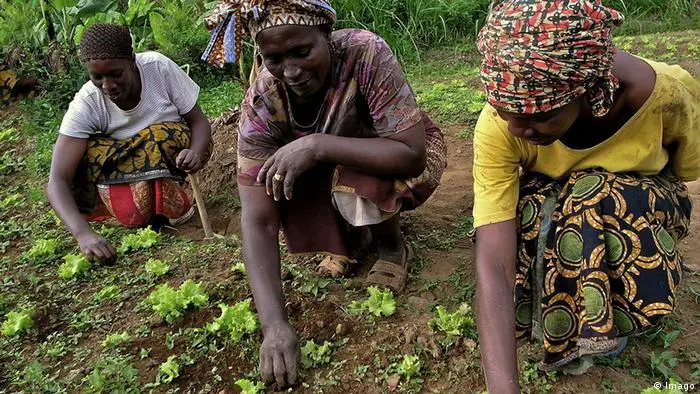
The CRDB alone offers at least 40 per cent of all loans issued to the sector and also unveils a vast opportunity package for local farmers via financing climate-resilient and adaptation projects in Tanzania, making available $200 million in agri-loans for the taking.
According to The Citizen, the adaptation projects target six million beneficiaries in Tanzania’s agriculture industry.
Top bankers are now taking agriculture as a viable product to invest in and develop. Tanzania’s best-performing retail bank, NMB, has set up a specialised agri-business department to serve and effectively attend to all farming financial aspirations.
Tanzania’s agriculture ministry has ramped up funding in research and development from $3.15 million to $4.86 million in the financial year 2022/2023. Further, irrigation is taking a new shift in Tanzania. According to the ministry, the area irrigated has increased from 695,045 hectares in 2020/2021 to 727,280 hectares in 2021/2022.
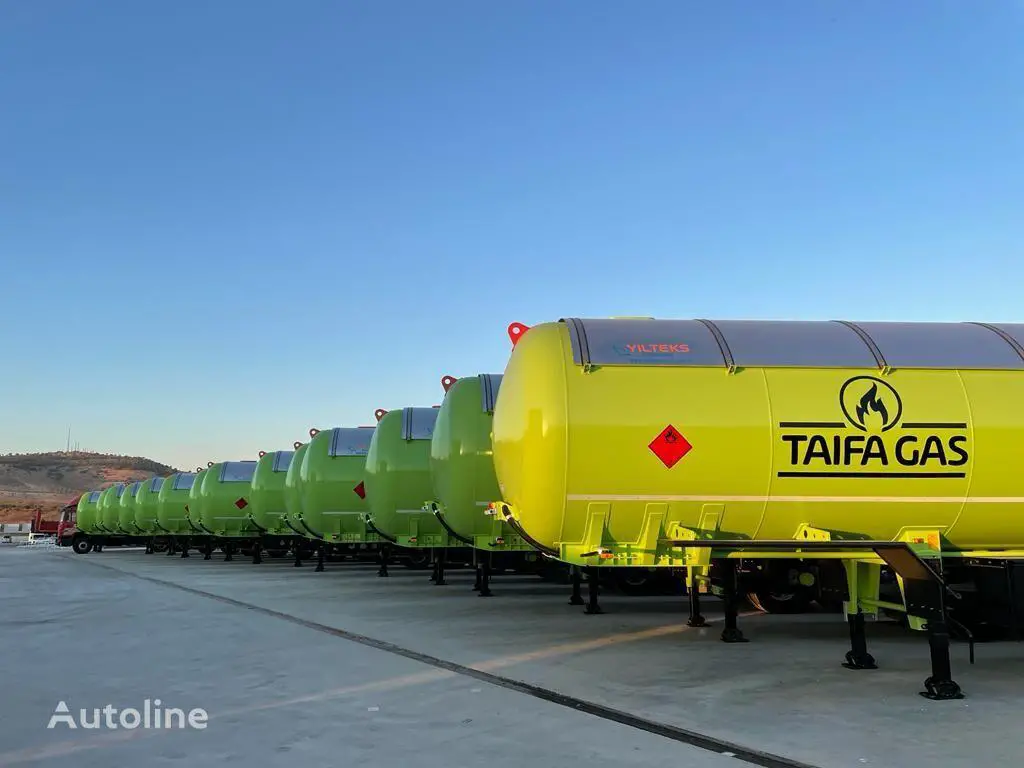
According to The Citizen, storage capacity construction tender documents, Kenya looks forward to quickly loading cooking gas for truck distribution, which will likely cut demurrage costs.
“LPG storage capacity in Mombasa is limited and huge demurrage is incurred by LPG ships thus affecting the final consumer price of bottled gas,” read part of KPC tender documents” KPC tender document read in part.
As Tanzania continues to domesticate its natural gas and motivate healthy consumption from households to large enterprises, Kenya’s new LPG ambition stands to lower prices for LPG by 30 percent. At the same time, Tanzania looks forward to connecting LPG nationwide.
In April, Kenya revived the stalled subsidy scheme for affordable cooking gas, giving the LPG take up a shot in the arm.
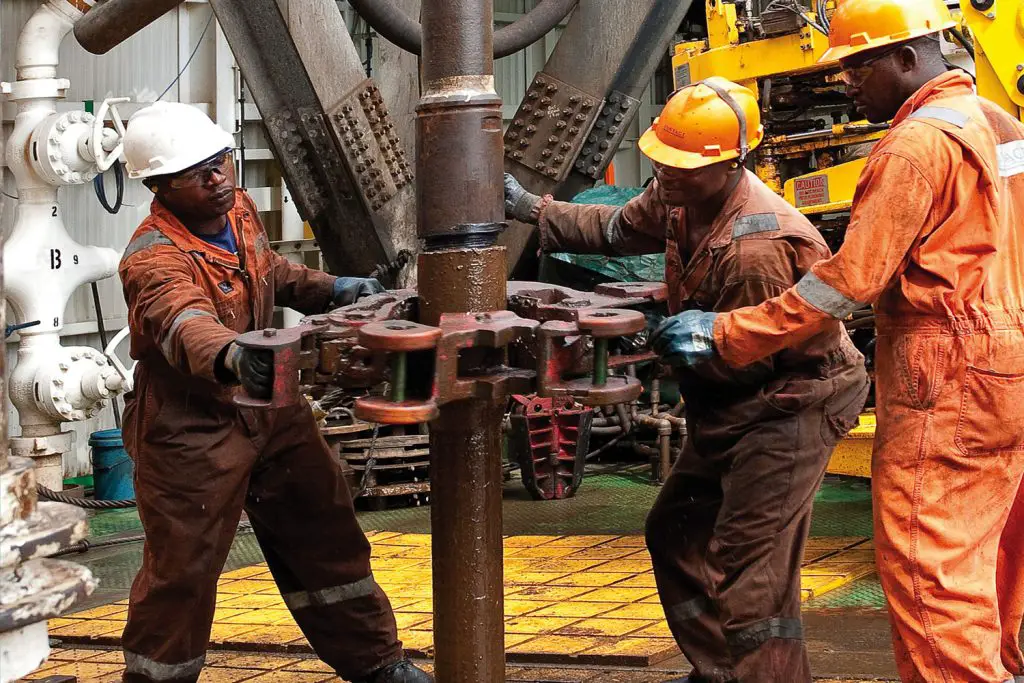
Uganda, Kenya, and Tanzania are building their oil and gas economies at a very fast pace Algeria is Africa’s leading natural gas producer, with almost 2.4 trillion cubic meters of proven reserves Nigeria is Africa’s largest oil producer, and Africa accounted for approximately eight per cent of the global oil output in 2020 When it comes to oil and gas in Africa, there is plenty of potential to produce enough energy on the continent. Africa accounted for approximately eight per cent of the global oil output in 2020. Similarly, at least 330 million metric tonnes of oil will be produced…