
Trending
- AI’s Dual Capacity and a Strategic Opportunity for African Peace and Security
- How African economies dealt with the 2025 debt maturity wall
- Africa’s Green Economy Summit 2026 readies pipeline of investment-ready green ventures
- East Africa banks on youth-led innovation to transform food systems sector
- The Washington Accords and Rwanda DRC Peace Deal
- Binance Junior, a crypto savings account targeting children and teens debuts in Africa
- African Union Agenda 2063 and the Conflicts Threatening “The Africa We Want”
- New HIV prevention drug is out — can ravaged African nations afford to miss it?


Author: Padili Mikomangwa
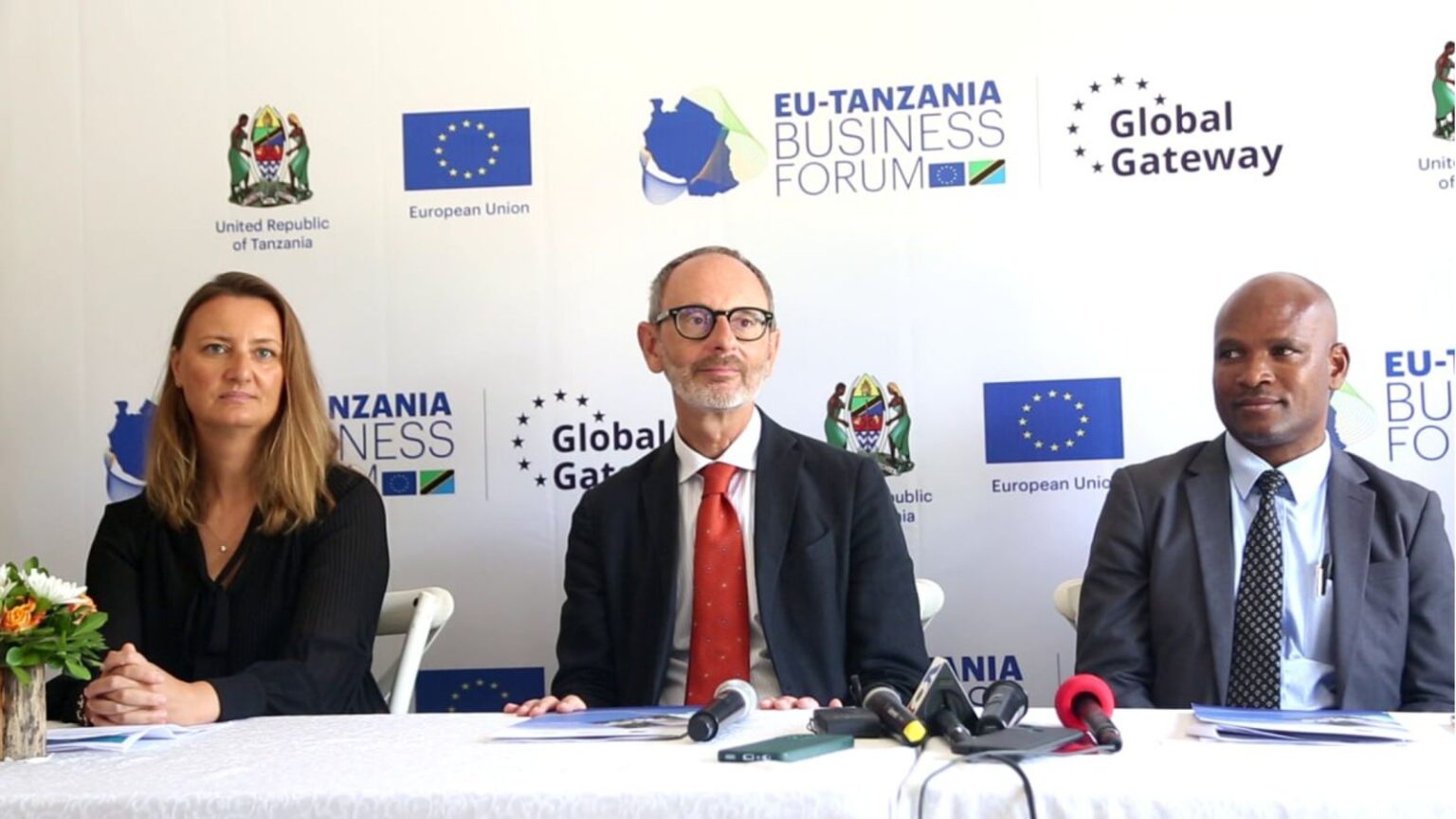
The European Union Investment Bank (EIB) have agreed with commercial banks to unlock a whole new business financing valued at around $580 million. The EU is optimistic about the government’s efforts to attract businesses and support investment Tanzania Development Vision (TDV) 2025 indicates that about 54.3 percent of Tanzania’s small, medium and micro enterprises (MSMEs) Over the past two years, President Samia’s administration has not only brought back confidence to investors who left Tanzania but attracted new ones and reinforced the old partners, including the United States. Tanzania is walking confident with almost $1 billion in investment from various companies…
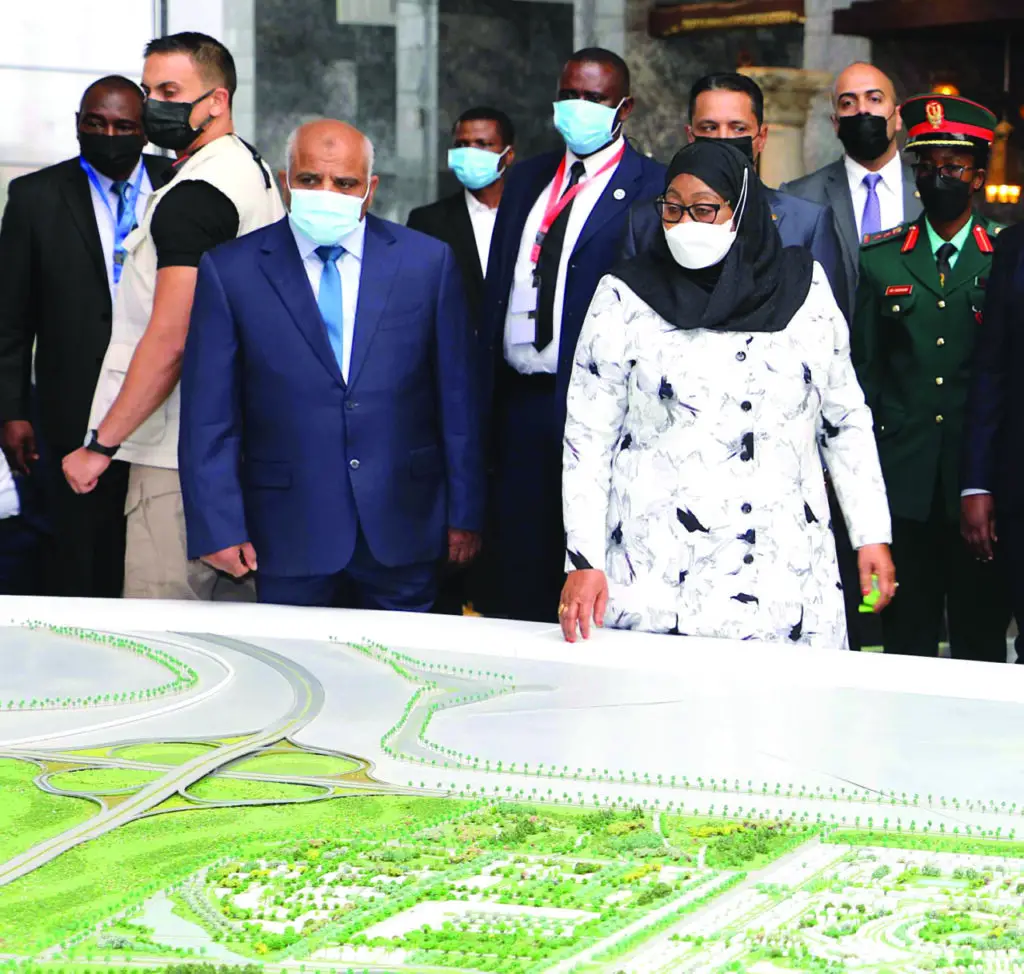
The Tanzania Investment Centre (TIC) said that the country garnered a 22.2 percent rise in registered projects over the past five months. 132 additional projects will be registered between July and November of 2022, compared to 102 during the same period in 2021. Tanzania is making significant progress in attracting the appropriate investment over time and space. This development is attributable to the current government under the leadership of President Samia Suluhu Hassan, whose dedication to expanding investment is shared by the whole economy. Tanzania’s economy is currently at 5,2 percent of GDP (3rd quarter 2022) and 4.9 percent inflation.…
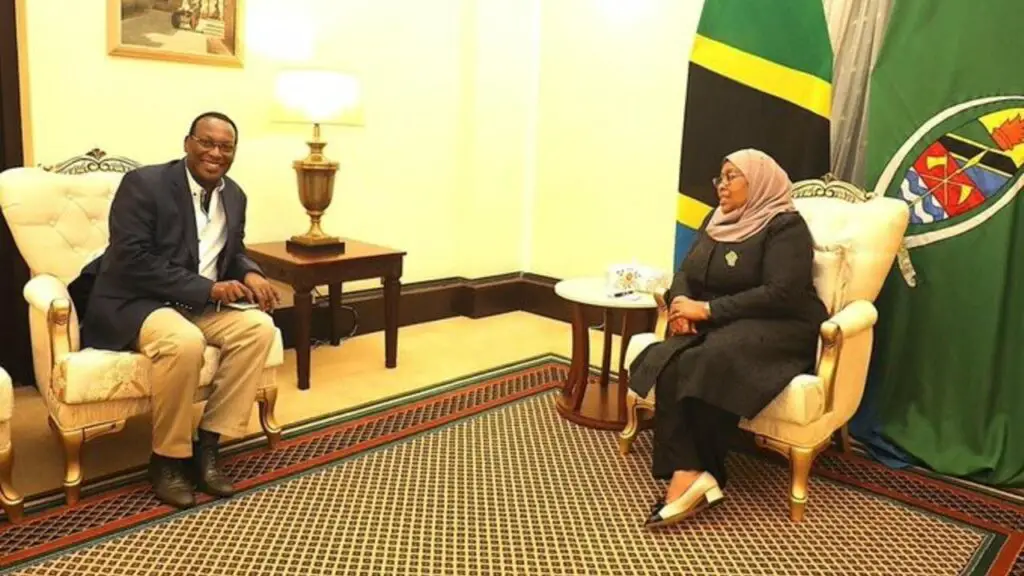
Politics in Tanzania are now taking a different shape compared to the past five years. Opposition parties in Tanzania, such as CHADEMA and ACT are collaborating with the main leading party CCM to put the nation in the right economic boost trajectory. Over the past two decades, East Africa has witnessed how political instability has dealt a blow to economic growth. During the 2007/2008 post-election violence in Kenya, the country recorded its worst economic performance. The ripple effects spread to neigbouring countries of Uganda and as far as Rwanda and DRC. Tanzania had its own political turmoil between 2015 and…
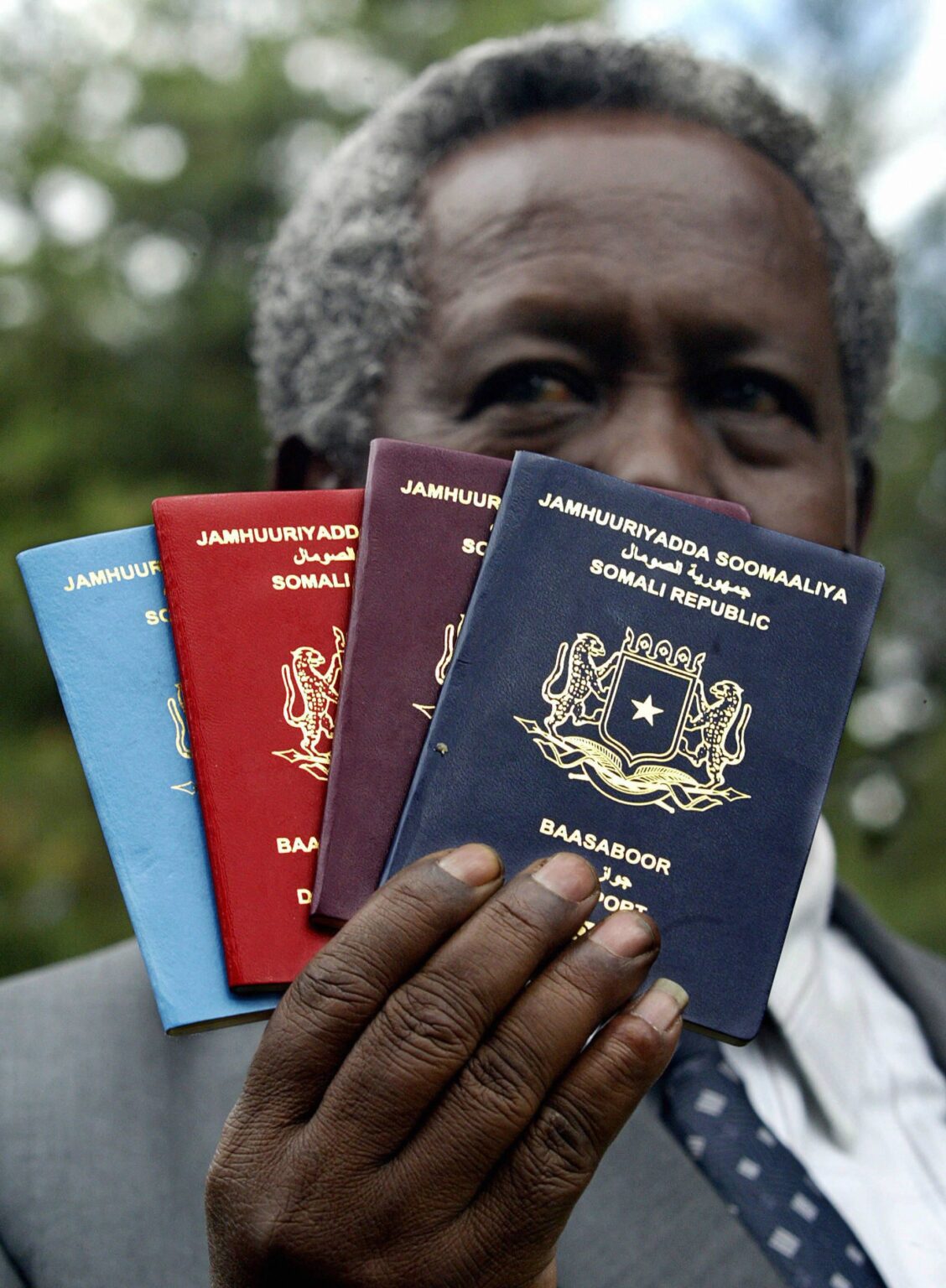
Region economic communities such as East African Community (EAC) are opening doors for citizens to expand their hands across various economic opportunities. The movement of people over space and time is the bloodline of the modern world’s economies. South Africa, Africa’s highest ranked passport, was position 54 globally with South Africans having visa-free access to 106 nations. A recent World Economic Forum (WEF) report revealed that an American passport holder can access 43 percent of the global GDP without a visa while a United Arab Emirates (UAE) passport gives access to 70 percent of the global GDP. In contrast, the…

Moving from one point to another has never been easier and more convenient as transportation or mobility applications have come to play. In Tanzania, where internet penetration stands at around 25 percent, digital mobility services simplify transportation, thanks to Bolt and bber ride-hailing services. However, this was not always the case, as in early 2022, Uber decided to leave Tanzania. Bolt also limited its operations due to regulatory concerns and the increase in transportation taxes imposed by authorities. With population expansions in cities such as Dar es Salaam, Arusha, Mwanza, Kilimanjaro, and Dodoma, digital mobility services are again getting attention…
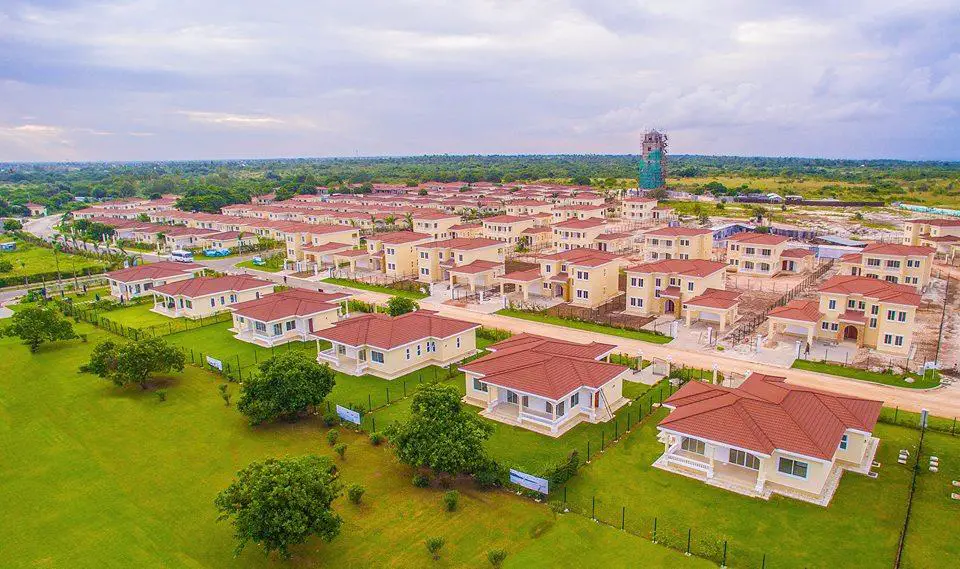
In the modern world, affordable housing is becoming a complex issue for many people, especially in Africa. Across the region, rapid urbanization, which has boomed over the past decade, has made affordable, decent housing challenging precipitating the emergence of informal settlements. In the case of Tanzania, Dar es Salaam, the commercial pulse of Tanzania, is struggling to develop cities that bring inclusive growth and job opportunities for people, the Kigamboni City Project tried by failed.. A December 2015 publication by the World Bank argued that Africa could have as many as 1.2 billion urban dwellers by 2050 and 4.5 million…
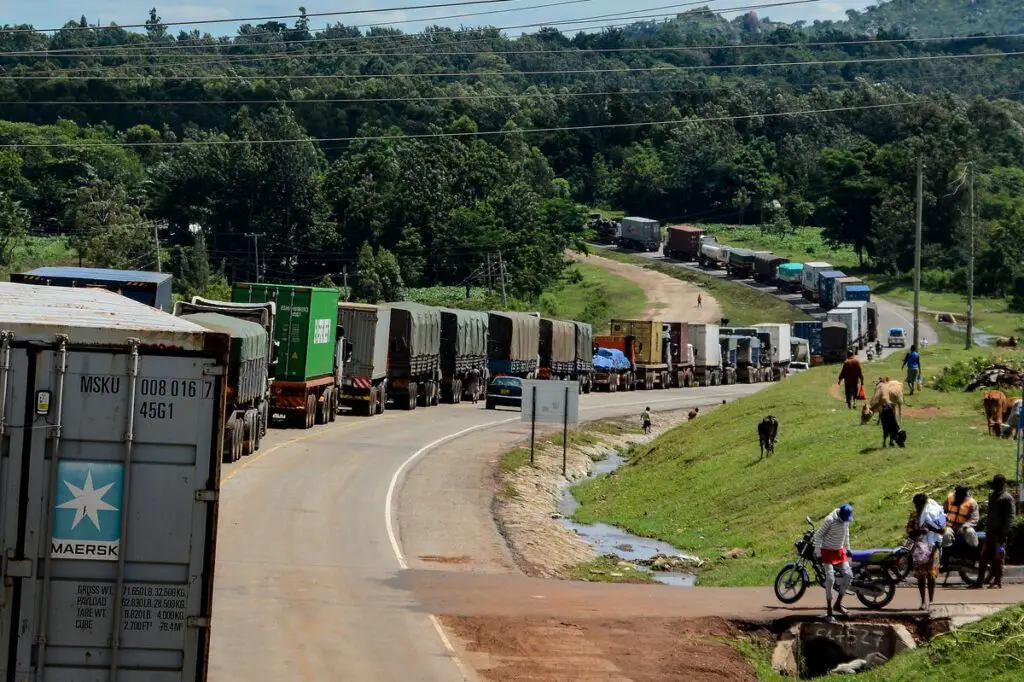
Africa is huge continent with untapped potential. With the rest of the world opening up for the best international trade and travel relations, Africa is learning and following the same path, with countries such as Uganda, Kenya and Rwanda easing entry restrictions by issuing visa on arrival and hence turning themselves towards open borders opportunities as members of the East African Community (EAC). Unrestricted movement of people and goods between African countries holds the key to unlocking this trade potential. That is why trade analysts are touting the African Continent Free Trade Area (AfCTA) as a game changer in inter-Africa…
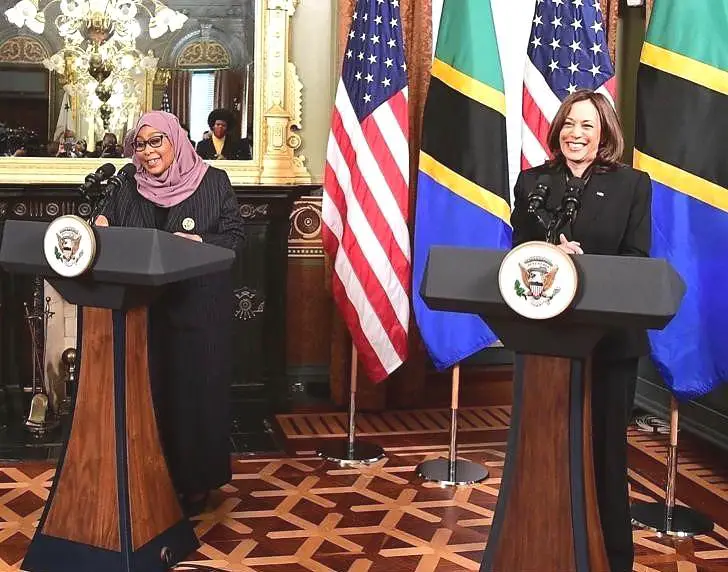
The tripling of investment in 2022 is a statement to the world that the East African nation is open for business. The success is a straightforward strategic plan from President Samia’s administration since she assumed office in March 2021. Tanzania Investment Centre (TIC) records show that the year 2022 has made the statement ‘Invest in Tanzania’ hold water. Over the past months, several activities have echoed across multiple fields, including manufacturing, transportation and tourism. TIC records show that from July to November 2022 there was an increase of 22.2 percent in investment projects (132 registered projects) compared to 102 projects…
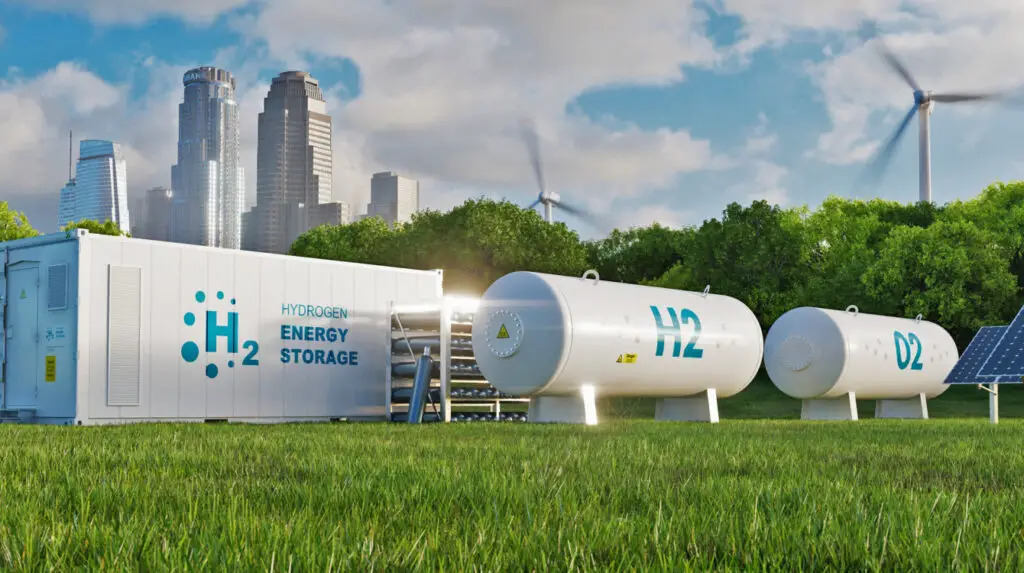
Green hydrogen is defined as hydrogen produced by splitting water into hydrogen and oxygen using renewable electricity. Green hydrogen is the future for Africa, especially in the wake of transitioning from old ways of energy production to modern systems featuring clean, renewable energies. The conversation on clean and renewable energy has become interesting over the years as technology and finance in the sector grows. Africa has the potential to produce $1.06 trillion worth of Green hydrogen energy, according to a European Investment Bank report dubbed ‘Africa’s Extraordinary Green Hydrogen Potential’. Global demand for hydrogen is projected to rise seven fold…
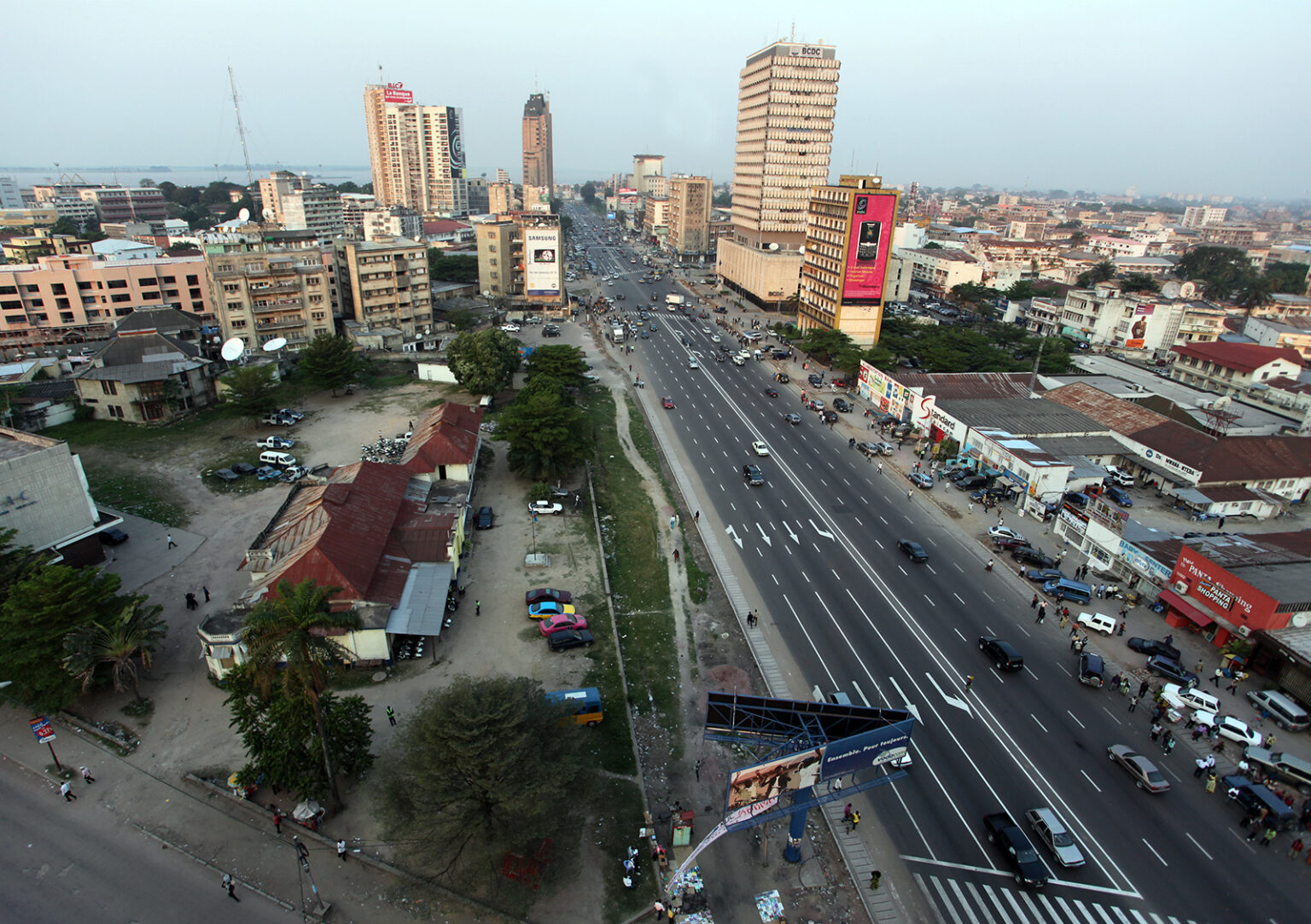
It is important to outline how the DRC stands to become a crucial investment hub in Africa. Foreign and domestic private entities reserve the right to establish business ventures across the nation and engage in all forms of remunerative operations, this is according to the US State Department as it outlines its engagement strategy with the country.
The DRC’s investment agency—the National Agency for Investment Promotion (ANAPI) provides essential facilitation services for initial investments over US$200,000 and is responsible for simplifying the investment process, make procedures more transparent, assist new foreign investors and improve the business image of the DRC—as the investment destination.
The DRC has potential sectors that are essential for investment and boosting the nation’s economic landscape for the betterment of the region. The sectors do not only create enough revenue to expand the welfare of the population, but create sustainable systems that creates millions of job opportunities.
Agriculture, banking, energy, housing, tourism, insurance, housing and real estate, forestry, transport and infrastructure. With an array of investment opportunities, it is important to notice how vast profits go when it comes to mutual benefits in all sectors.