


Trending
- AI’s Dual Capacity and a Strategic Opportunity for African Peace and Security
- How African economies dealt with the 2025 debt maturity wall
- Africa’s Green Economy Summit 2026 readies pipeline of investment-ready green ventures
- East Africa banks on youth-led innovation to transform food systems sector
- The Washington Accords and Rwanda DRC Peace Deal
- Binance Junior, a crypto savings account targeting children and teens debuts in Africa
- African Union Agenda 2063 and the Conflicts Threatening “The Africa We Want”
- New HIV prevention drug is out — can ravaged African nations afford to miss it?


Author: Wanjiku Njugunah
The Board of Governors of the International Monetary Fund has approved a general allocation of Special Drawing Rights (SDRs) equivalent to US$650 billion (about SDR 456 billion), to boost global liquidity. In a statement, IMF Managing Director Kristalina Georgieva termed the move as historic, adding that it is the largest SDR allocation in the history of the IMF. The SDR is an international reserve asset created by the IMF to supplement the official reserves of its member countries. The IMF adds that SDR is not a currency, but has a potential claim on the freely usable currencies of IMF members.…

Ride-hailing firm Bolt has raised $713 million in fresh funding. In a statement, the European firm says it will use the funds to accelerate the expansion of its existing mobility and delivery products across its markets. “The funds will go into expanding the company’s network of ride-hailing services, food delivery and micro mobility in Africa and Europe,” the company said. According to the firm, these include investments towards enhancing safety features on the platform for drivers and riders, deepening vehicle ownership initiatives, driver and courier empowerment and sustainability projects. Bolt will also use the funds to boost its new under…

A new report has revealed that biases in the estimation of solar production in Africa can lead to up to a 20 percent reduction in savings for African businesses. This is according the Measuring Solar Irradiation in Africa: A case for change by CrossBoundary Energy which adds that such biases also cause between 1 and 2 percent reduction in the internal rate of return for solar developers and investors. The report also indicates current methods that the solar industry uses for estimating solar production across the continent are unreliable. Commenting on the report, Lenny Matei, co-author and Senior Project Engineer…

Kenya’s construction industry is projected to grow by up to 3.9 percent this year, according to a new report by the Architectural Association of Kenya (AAK). The report, dubbed Status of the Built Environment report, AAK however cautions that the growth can only happen if there is no repeat of the strict lock down that were implemented in the country last year after the emergence of the coronavirus pandemic. The report says growth will be driven by several factors among them a sharp recovery in output levels compared to periods when works were not permitted or were severely restricted in…
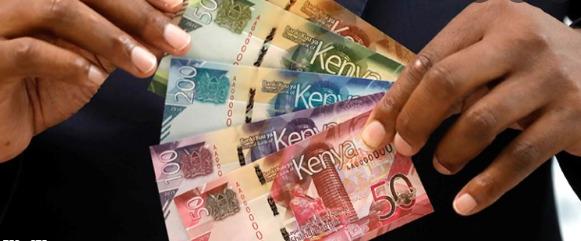
The Kenya shilling depreciated by 0.7 percent against the US Dollar to close the month of July at Sh108.6, from Sh107.9 recorded at the end of June 2021, mostly attributable to increased dollar demand from general importers. Data collected by Cytonn Investments further reveal that last week, the shilling depreciated by 0.4 percent against the US dollar to close the week at Sh108.6, from Sh108.2 recorded the previous week. This was partly attributable to the build-up of dollar demand from energy importers as they meet their end of the month hard currency obligations. On a year to date basis, the…

Kenya has announced plans to revive small industries across the country, in a bid to spur value addition and market access for targeted products through projects led by the youth. The Trade, Industrialization and Enterprise Development Principal Secretary Kirimi Kaberia said the ministry has completed mapping out villages and their unique products countrywide, according to Business Daily. According to the PS, the Ministry is looking to attract more youth into manufacturing through cottage industries. Kaberia said the government’s plan is to have functional industries in the next 12 months through transfer of resources in the rural areas. “We want to…

The fall in consumer demand and closure of retail stores in high income countries due to the COVID-19 pandemic negatively impacted the textile and garment manufacturers in Ethiopia. This is according to a new report by Deloitte that found that the manufacturing sector’s growth declined from 7.7 percent in 2019 to 7.5percent in 2020 mainly attributed to subdued demand in the key textile and garment sub-sector as a result of the closure of retail stores in high income countries. A telephone survey by Deloitte found that 4,000 female garment workers revealed that four out of ten garment workers on Ethiopia’s…

A new report has revealed that Rwanda’s tourism revenues from international visitors dropped by an estimated 35 percent in 2020 compared to 2019, with the total of number of visitors dropping by 47.2 percent in 2020. The report, Economic impact of the COVID-19 pandemic on East African economies by Deloitte indicates that in the months of April and May, Rwanda saw a drop of 100 percent in the number of international tourists following the announcement of the lockdown. The losses related to Meetings, Conventions and Exhibitions (MICE) tourism were estimated to be around USD 80m for events that would have…
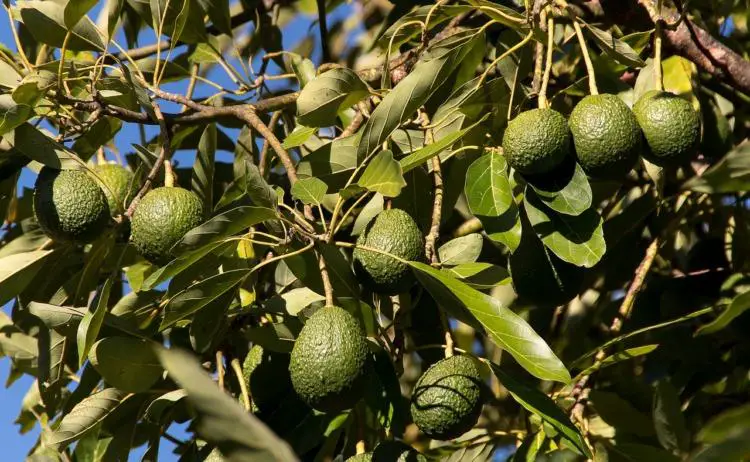
The agriculture sector in Uganda is estimated to have contracted by close to 1 percent due to reduced export demand associated with COVID-19 restrictions and decreased output caused by the regional desert locust invasion. This is according to a study conducted by Deloitte which reveals that agriculture remains a key economic sector and one of the largest employers in the country, responsible for 70.3 percent of the labour force (with the majority in subsistence farming) and accounting for almost 28 percent of real GDP. The study says that 2020 saw a significant decline in effective domestic demand for food following…

Exports of goods from Kenya remained strong, growing by 11.1 percent in the first half of 2021 compared to a similar period in 2020. This is according to fresh data by Central Bank of Kenya which indicates that receipts from exports of horticulture and manufactured goods rose by 29.4 percent and 45.2 percent, respectively, in the first half of 2021 compared to a similar period in 2020. However, receipts from tea exports declined by 5.5 percent, partly due to the impact of accelerated purchases in 2020. Travel and transport receipts continued to recover in 2021 with the resumption of international…