


Trending
- AI’s Dual Capacity and a Strategic Opportunity for African Peace and Security
- How African economies dealt with the 2025 debt maturity wall
- Africa’s Green Economy Summit 2026 readies pipeline of investment-ready green ventures
- East Africa banks on youth-led innovation to transform food systems sector
- The Washington Accords and Rwanda DRC Peace Deal
- Binance Junior, a crypto savings account targeting children and teens debuts in Africa
- African Union Agenda 2063 and the Conflicts Threatening “The Africa We Want”
- New HIV prevention drug is out — can ravaged African nations afford to miss it?


Author: Wanjiku Njugunah
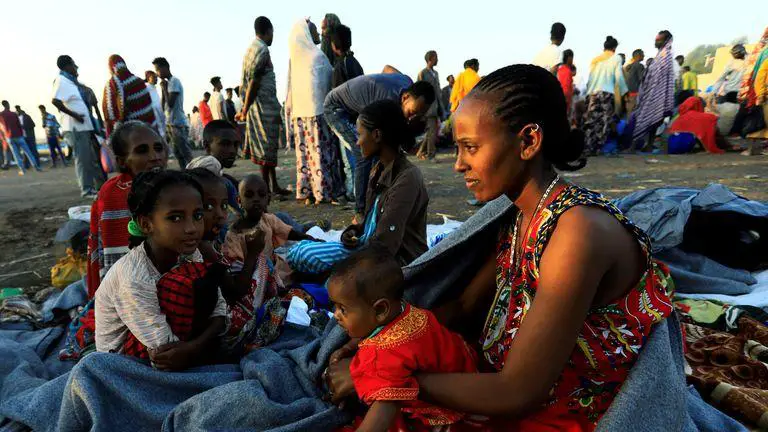
FAO says that in addition to lost agricultural assets, the state of core basic services across northern Ethiopia is impeding relief efforts.
“Electricity and fuel are lacking, cash and credit are not to be found, and there is only one functional road in and out of the region”, noted Paulsen.
According to the organization, the conflict commenced at the peak of what would have been the main Maher season harvest before many households had the opportunity to harvest their crops.

The government introduced a five-year zero profit tax policy for new investments in the hospitality sector which is expected to encourage private sector investment.
According to the study, the development of world-class tourism facilities is expected to lead to job creation and boost tourism earnings.
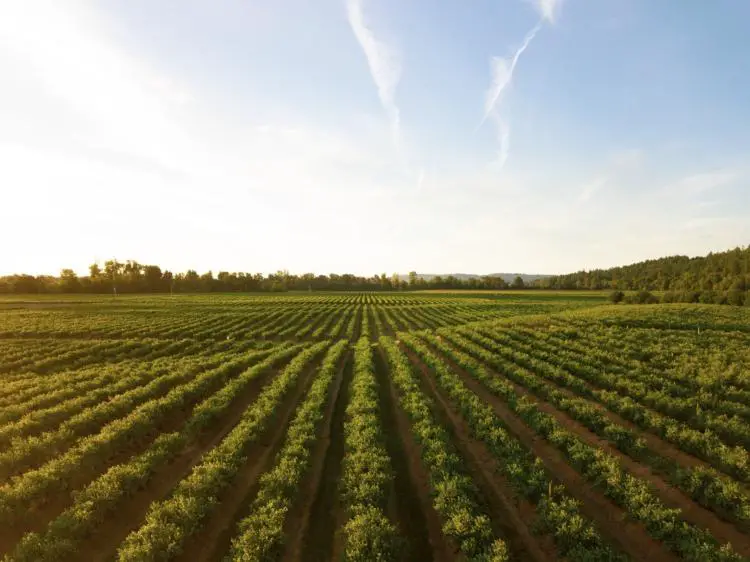
Data by the bloc reveals that the sector provides livelihoods for about 80 per cent of the region’s workers, and accounts for about 65 per cent of foreign exchange earnings.
The continent, which COMESA Secretary General Chileshe Kapwepwe said last month has the potential to feed its self and export to the rest of the world, has remained a net food importer for the last 15 years.

A plan seeking to revive tourism in East Africa has been approved, following the negative impact of the coronavirus pandemic on the sector. Dubbed ‘The EAC Regional COVID-19 Tourism Recovery Plan’, the map was approved by the East African Community Sectoral Council led by Kenya’s Cabinet Secretary for Tourism and Wildlife, Najib Balala. Tourism ministers from the East Africa Community noted that some partner states had already instituted measures such as the formulation of stimulus packages aimed at re-igniting the sector and supporting tourism investments including the Small and Micro Enterprises. In his opening remarks, Balala underscored the importance of…

The Food and Agriculture Organization of the United Nations (FAO) and the Ministry of Devolution and the Arid and Semi-Arid Lands (ASALs) have signed the Anticipatory Action and Response Plan for Pastoral and Agropastoral Communities in ASAL Counties of Samburu, Isiolo, Turkana, Garissa, Marsabit, Mandera, Wajir and Tana River in Kenya. In a statement, FAO says this is in response to drought alert sent in June 2021 where 12 of the 23 ASAL counties were in the alert drought phase, while 16 reported a declining trend. This is an abnormal occurrence at the immediate end of the season. ‘Livelihood conditions…

Multinational companies will cut suppliers for failing to curb carbon emissions, with 78 per cent of multinationals (MNCs) planning to remove suppliers that endanger their carbon transition plan by 2025. This is according to a new study by Standard Chartered which says that this could mean a loss in export revenue of USD3.9 billion for Kenyan suppliers who fail to transition alongside their MNC partners. (https://compassionprisonproject.org) As per the finding, 87 per cent of MNCs with a supply chain in Kenya have set emission reduction targets for their suppliers, asking for an average reduction of 35 per cent by 2025.…

Small and Medium Enterprises in the region recognize the potential of working with public-private partnerships, and 63 percent of them think private sector initiatives and partnerships will benefit businesses and the markets in which they operate. This has been revealed in a study conducted by Mastercard dubbed MEA SME Confidence Index. The study also reveals that one in three SMEs or 32 percent think that collaborating with governments and businesses outside their markets could impact their growth. In Southern Africa this was especially pronounced, with over half at 56 percent agreeing. The research also highlights the important role of government…
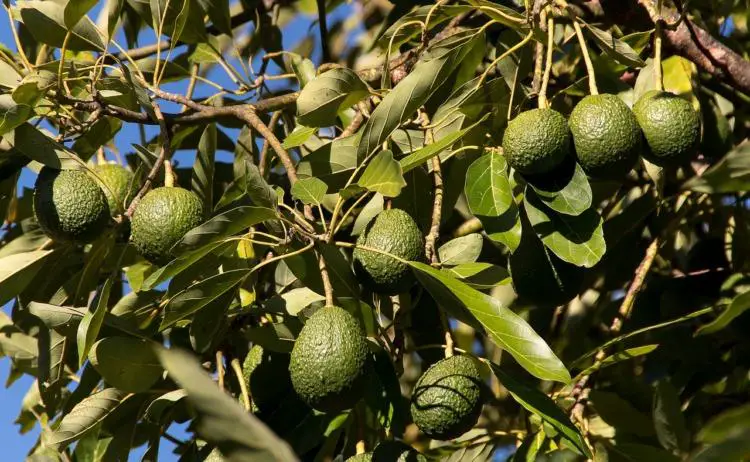
Rural businesses in Africa will benefit from an ambitious new financing programme launched by the UN’s International Fund for Agricultural Development (IFAD), as part of its broader efforts to address rising hunger and poverty levels in the world’s poorest countries. In a statement, IFAD says the programme, dubbed ‘The Private Sector Financing Programme (PSFP)’, aims to spearhead an increase in private investment in small and medium-sized enterprises (SMEs), farmers’ organizations and financial intermediaries servicing small-scale farmers, which are too often neglected by investors. It will provide loans, risk management instruments (such as guarantees), and equity investments. Commenting on the development,…
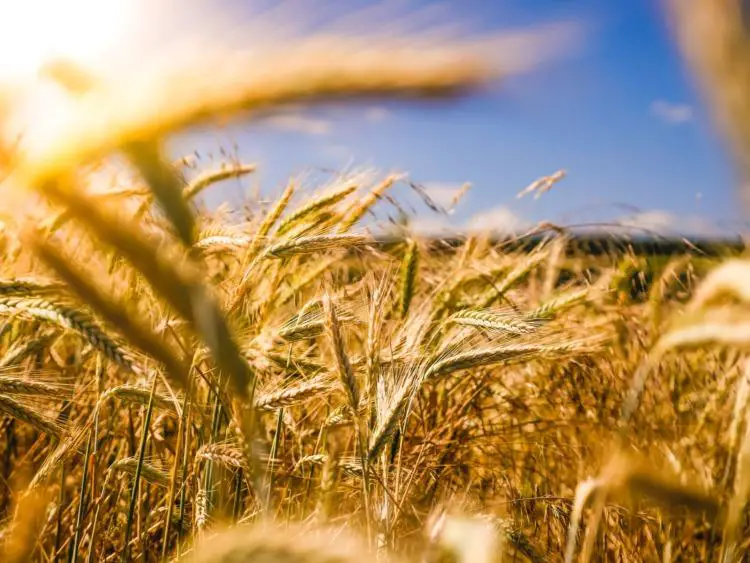
Kenya’s agriculture sector grew by 5.1 percent in 2020, thereby preventing a contraction of the economy, amid the coronavirus pandemic, which ravaged a majority of other sectors. Data from Deloitte’s East Africa Economies Report 2021 indicates that the sector remains fundamentally important to the Kenyan economy, contributing about 33 percent of the GDP and 56 percent of the employment, both formally and informally. The report paints mixed performance in the sector in 2020, for instance, as of May 2020, Kenya’s Agricultural sector’s outlook was grim due to the locust swarm infestation affecting domestic agricultural production. However, as of Q4 2020,…

Economic activity in East Africa is estimated to have declined to a growth of 0.9 percent in 2020 from 6.6 percent in 2019 and is projected to recover to a growth of 3 percent in 2021. This is revealed in Deloitte’s East Africa Economies Report 2021 which attributed the expected growth to the projected increase in private consumption and domestic demand after the easing of travel restrictions and roll out of COVID-19 vaccinations. The report shows that massive job losses, disruptions in food value chains and multiple shocks of desert locusts saw an additional 30 million Africans pushed into extreme…