


Trending
- East Africa banks on youth-led innovation to transform food systems sector
- The Washington Accords and Rwanda DRC Peace Deal
- Binance Junior, a crypto savings account targeting children and teens debuts in Africa
- African Union Agenda 2063 and the Conflicts Threatening “The Africa We Want”
- New HIV prevention drug is out — can ravaged African nations afford to miss it?
- From banking to supply chains, here’s how blockchain is powering lives across Africa
- Modern railways system sparks fresh drive in Tanzania’s economic ambitions
- Viktoria Ventures honoured for advancing angel investing across Africa


Browsing: AfCFTA

Africa is a strong contender for developing technologies such as blockchain and cryptocurrency owing to the continent’s growing mobile tech adoption rates. Considering the turbulent global financial markets, expensive remittance costs, and restricted banking access, blockchain in Africa offers alternatives to tackle their day-to-day issues.
Africa is at the center of global sustainability transitions such as decarbonization of production systems. The continent is also seeing…
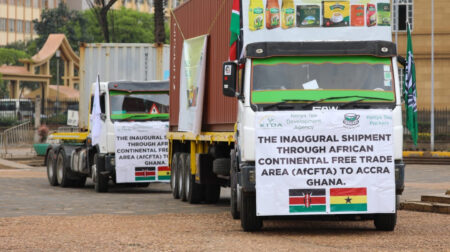
The change in patterns of trade triggered by these two major events is now forcing the MNCs to go back…
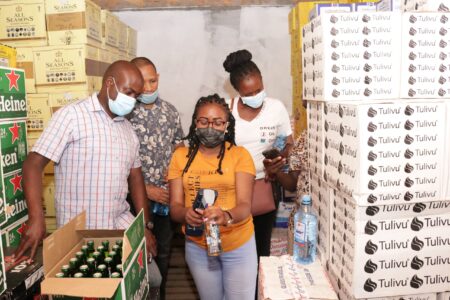
The country is considered East Africa’s strongest economy. It is among countries facing a huge challenge of illicit trade, estimated…

The two south American nations are exploring methods to increase bilateral commerce and wean themselves off the mighty US currency.…
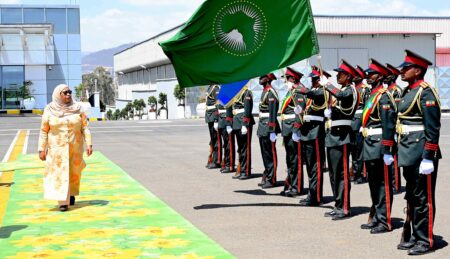
The move makes Tanzania among the first seven African countries to start making the best of the single African market.…

The rapid snowballing of Africa’s rare earths metal production is set to become the world’s alternative source in 2023 and…

There appears to be a consensus that the world is finally turning its back on the US dollar. There are simmering shifts within the global monetary system. The shift becomes ever more apparent, best described as de-dollarisation.
The world is searching for alternatives to the US dollar, finding them more often. Thus, moving away from the dollar can no longer be stopped. For instance, early this year, Indonesia reiterated it would promote local currency settlement (LCS) in cross-border trade and investment to reduce dependence on the US dollar.
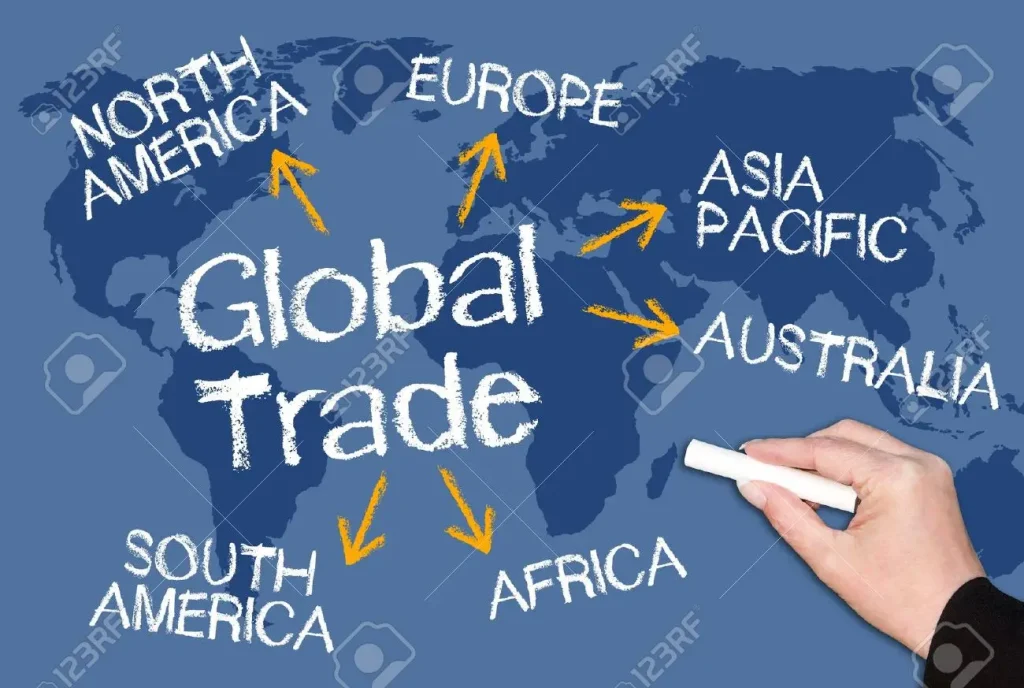
AfCFTA’s successful implementation can boost trade and promote Africa’s economic recovery and growth. The AfCFTA is the world’s most extensive free trade area in terms of size and number of nations, with a combined GDP of around $3.4 trillion.
Increased integration would improve incomes, generate employment, stimulate investment, and make establishing regional supply chains easier. In comparison to Africa’s external trade, intra-African trade remains tiny. In 2020, just 18 per cent of exports went to other African nations.

With African nations in desperate need of economic boosts, reinventing the continent’s pharmaceutical “wheel” as a contributor to development has become critical. This crucial venture requires public and private participation and, of course, the willingness of the West’s Big Pharma!
Most Africans lack the means to seek qualified healthcare providers for quality medication. People turn to self-help and alternative medicine to avoid medical expenditures, which are often out of reach. With less than 400 drug manufacturers to cater to the more than 1.3 billion people on the continent, millions of Africans die or suffer from protracted illnesses without consistent access to even the most essential medicines. Widespread ill health can trap people in poverty, as healthier people are more productive.
The pandemic’s effects have exacerbated Africa’s healthcare crisis in the last two years. The situation has captured the attention of investors who noted the gap between supply and demand in the pharmaceutical sector. Apart from increasing healthcare results to have more productive individuals in the economy, boosting Africa’s pharmaceutical industry may generate enormous economic value.