

Trending
- VALR sets sights on East Africa as blockchain moves deeper into Africa’s financial system
- The cost of the data gap: Why Kenya’s lenders can’t afford to miss the full picture
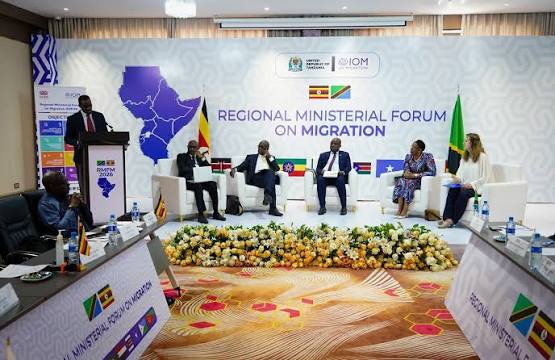
- Tanzania takes EAC labour migration helm as regional rules face overhaul
- 2026 is turning out as a defining year in geopolitics, but for whom?
- Saudi Arabia and Tanzania pledge to deepen bilateral trade ties
- Tanzania rewrites its digital investment playbook
- Ethical sourcing boosting demand for Tanzania organic cotton
- DRC deploys 70,000 Ebola vaccine doses in high-stakes trial against deadly Bundibugyo strain


Browsing: Africa Entrepreneurship

Africa’s youth unemployment is one of the many “poly-crises” destabilising many countries and impeding economic recovery following recent disruptions and challenges. According to the just-released International Labor Organization’s (ILO) annual Monitor of the World of Work study, low-income African nations are unlikely to return to pre-pandemic levels of unemployment this year.
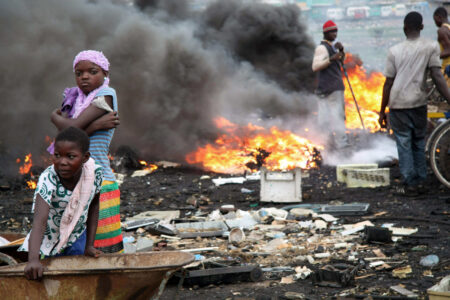
According to UN estimates some 53.6 million tonnes of e-waste was generated around the world in 2019. The World Economic…
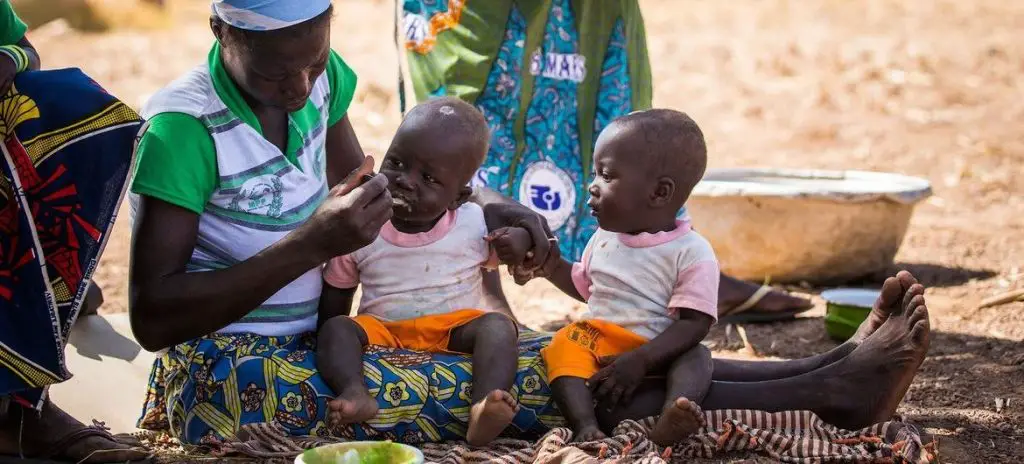
The report indicated that AfCFTA has the potential to attract greater FDI, required for Africa to diversify into new industries such as agribusiness, manufacturing and services. The report projects that this could create 18 million new jobs by 2035, with 2.5 per cent of the continent’s workers moving to new industries. In addition, more significant FDI could raise Africa’s exports to 32 per cent by 2035, with intra-African exports growing by 109 per cent, especially in the manufactured goods sectors. All countries will record an intra-African export increase, such as Tunisia by 165%, Cameroon by 144%, Ghana by 132%, Tanzania by 126% and South Africa by 61%.
Breaking trade barriers will increase investment and export sectors likely to grow the most: textiles and apparel, rubber, chemical and plastic products, and processed foods. Deeper integration would lower trade costs and boost capital inflows, bolstering exports from service sectors such as communication, transport and hospitality.
According to the ‘Futures Report: Which Value Chains for a Made in Africa Revolution’ prepared by the UNDP and AfCFTA Secretariat, there are opportunities that need to seizing for the One African Market, such as pharmaceuticals; automotive; cultural and creative industries; cocoa; soya; leather and tanned products; mobile financial services; lithium-ion batteries; textiles and apparel; vaccine manufacturing. In view of this, governments and entrepreneurs on the whole, can identify which opportunities are best suitable for their nation’s entry into the AfCFTA market.
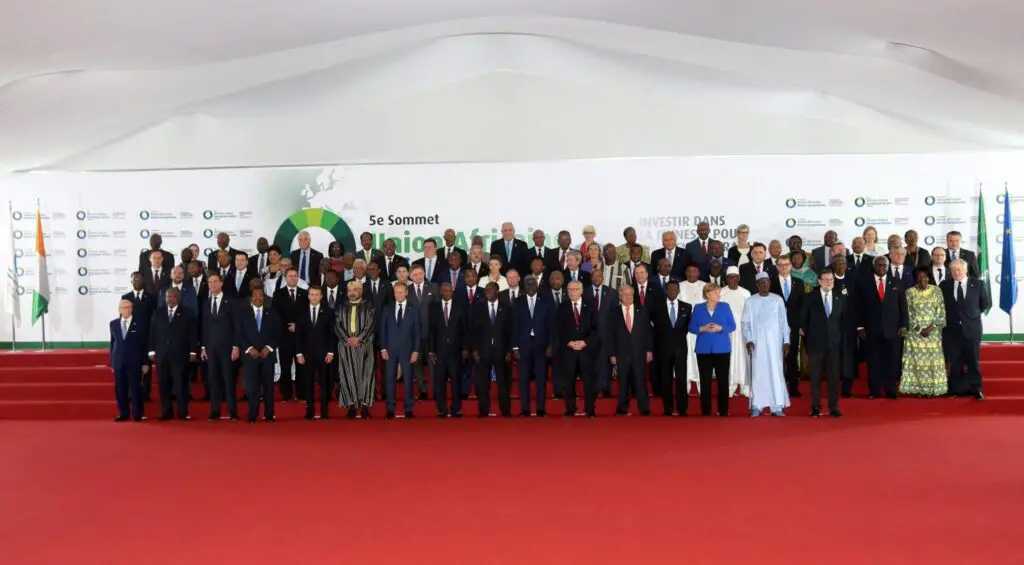
Even though the EU delegates admitted that; “We recognised, everybody, does, that there is an unbearable vaccination gap that has to be closed … between Africa and Europe,” the diplomats still said no vaccine patent waiver for Africa.
Also, despite scientists warning of the possibility of new Covid variants developing in Africa and the fact that just 5 per cent of Africa has been inoculated, the EU still said no to easing vaccine access to Africa.
The African Union (AU) had expected some sought of EU backing for targeted and time-limited Trips Waiver on vaccines. Trips stand for: Trade-Related Aspects of Intellectual-Property Rights and a waiver would have made it affordable for Africa to produce the vaccines in Africa.
Kenya is one of the most diversified and fastest growing economies in Africa, with an average growth rate of 5.7%, inching closer by the day to its ambitious vision of becoming a middle-income country in the next decade. Central to this robust growth has been the invaluable contribution made by co-operatives, popularly known as Savings and Credit Co-operative Societies (SACCOS); which not only play a pivotal role towards the country’s Gross Domestic Product (GDP), but also leave an ineffaceable mark in the lives of millions of members, so much so that the country was recently selected in a series of country studies by the renowned international co-operative research group, the U.S Overseas Co-operative Development Council (OCDC).

Bic, the French manufacturer of pens has been running a programme among Kenyan schools that aims to strengthen the entrepreneurial…