Trending
- African trade is growing despite the obstacles
- Why global capital is betting big on Africa’s digital promise
- Kenya posts stronger-than-expected Q1 growth at 5.3% on manufacturing rebound, tourism boom
- China’s new investment rules are about guardrails, not closed doors
- Zanzibar optimistic economic growth will hit 7.5% on tourism boom
- Kenya defies economic shocks to post record $22 billion in tax collections
- Forget South Africa: East Africa now rules in banking industry returns
- Lamu over Tanga: The commercial calculus that cost Tanzania $20bn refinery


Browsing: African Trade
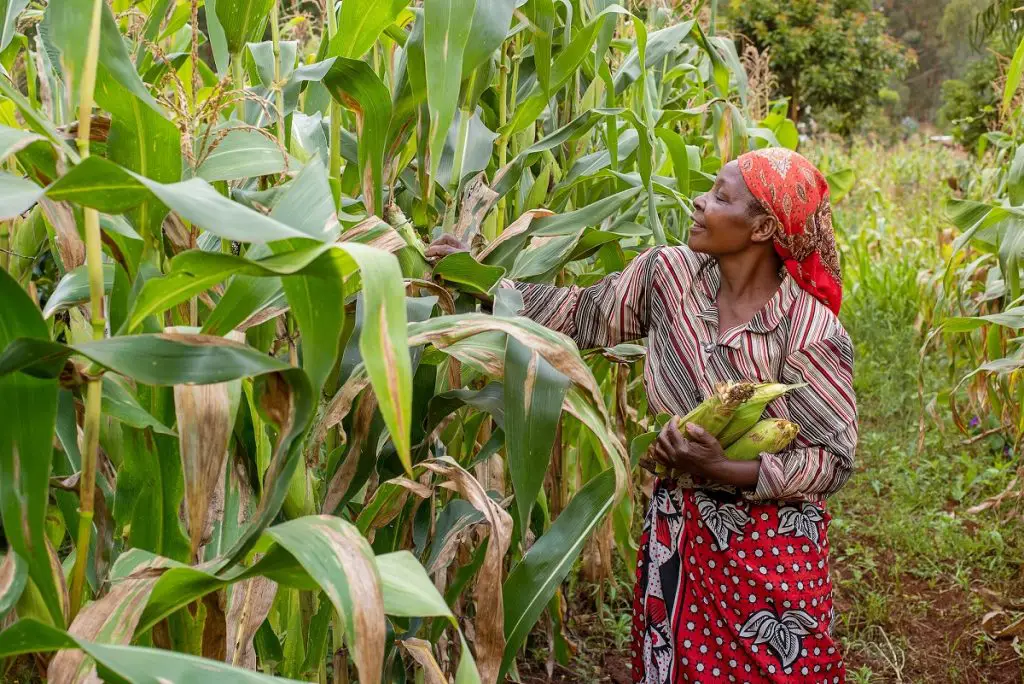
The rising commodity prices, surging inflationary pressures, and the contracting global financial situation have risked African trade and production capabilities. Moreover, the rising threat of sovereign defaults poses a severe risk to the growth of African trade. Thus, African trade prospects remain unclear, considering the challenging global economic scenario.
The Covid-19, energy and food shortages have hit with the countries having minimal or no policy space to respond. As a result, African countries have fallen into a real risk of debt distress and even possibilities for sovereign debt default.
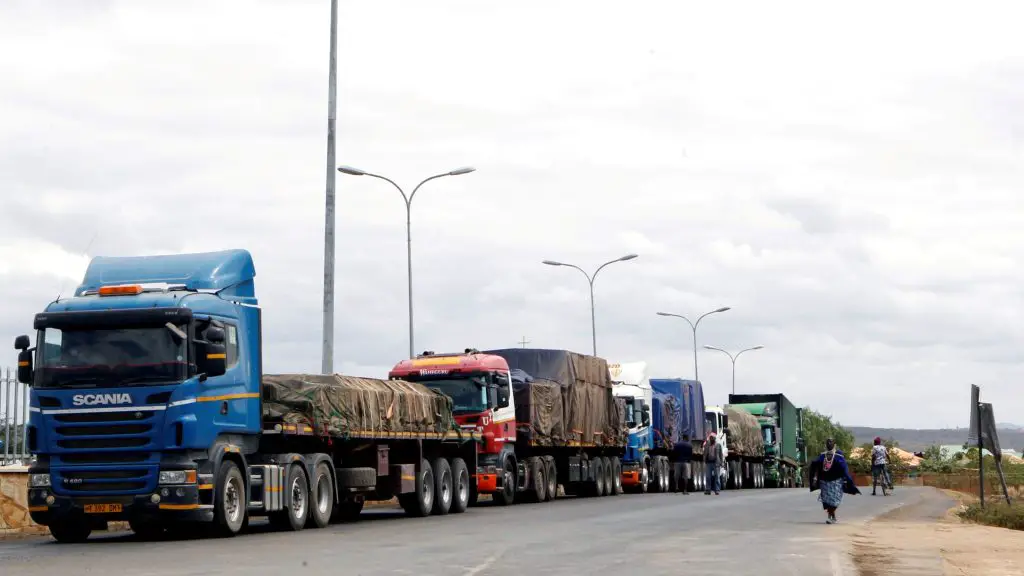
The difficulty of transferring commodities throughout Africa is not new to the continent. It is currently a key impediment to the AfCFTA’s prospects, especially in building regional industrial supply chain clusters. Africa’s massive infrastructure deficit has hindered regional trade and economic integration for decades, notably in transportation and supply chain fragmentation.
Some parts of the continent, specifically areas surrounding East African nations, do far better in cross-border movement and trade. However, most African countries fare poorly on metrics such as cross-border clearance processes. According to the World Bank’s Logistics Performance Index, the regions also struggle with trade quality, infrastructure, inconsistent tax regimes, and consignment trace and track techniques.
Digitalisation in Africa’s logistics industry will address some of these difficulties. Furthermore, the development of digital logistics startups has aided in the facilitation of connection, which is critical to the movement of commodities within the area and across borders.
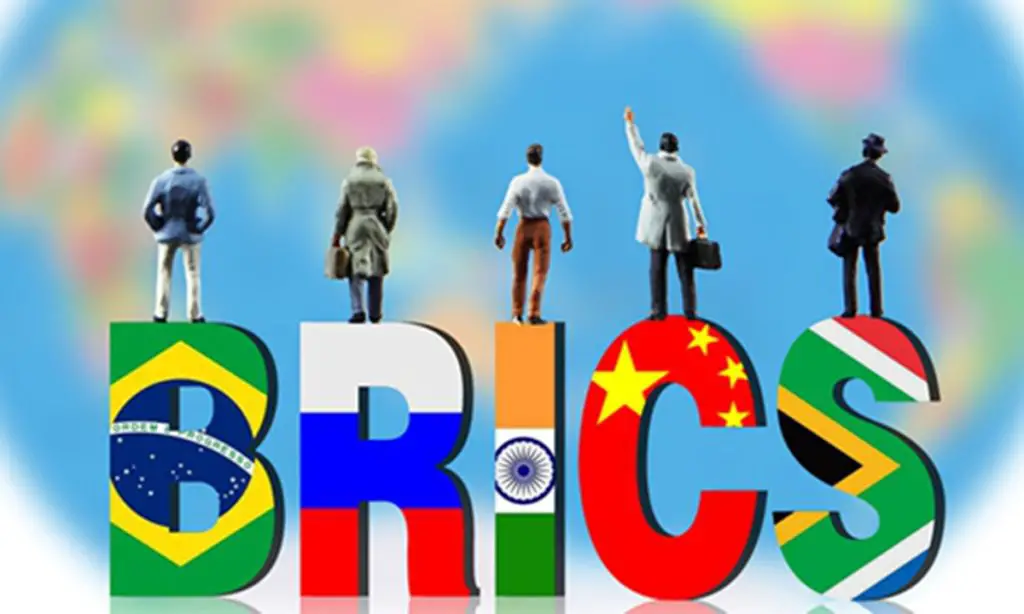
The current large-scale transition of the global economy, principally triggered by the current conflict between Ukraine and Russia as well as the standoff between China and the United States, creates a multipolar world map with new centres of power.
Brazil, Russia, India, China, and South Africa, also known as the BRICS nations, have enhanced industrial and financial might and are pushing for a seat at the global new power axis table. These nations are essential participants in international markets for products, services, and money, having a considerable, sometimes decisive, effect on how the global economy operates.

US Election 2020 The US presidential race is in the final stages now. While vote counting is still ongoing, indications…

The United Arab Emirates (UAE) has joined a growing list of countries that are yearning to tap into the numerous…