

Trending
- Africa’s Green Economy Summit 2026 readies pipeline of investment-ready green ventures
- East Africa banks on youth-led innovation to transform food systems sector
- The Washington Accords and Rwanda DRC Peace Deal
- Binance Junior, a crypto savings account targeting children and teens debuts in Africa
- African Union Agenda 2063 and the Conflicts Threatening “The Africa We Want”
- New HIV prevention drug is out — can ravaged African nations afford to miss it?
- From banking to supply chains, here’s how blockchain is powering lives across Africa
- Modern railways system sparks fresh drive in Tanzania’s economic ambitions


Browsing: Democratic Republic of Congo (DRC)

Airtel Africa and Vodacom Group ink infrastructure sharing plan to speed up connectivity and digital inclusion across Mozambique, Tanzania and…

Jersey has just been recognized as a global center for responsible finance, demonstrating its commitment to combating money laundering and…
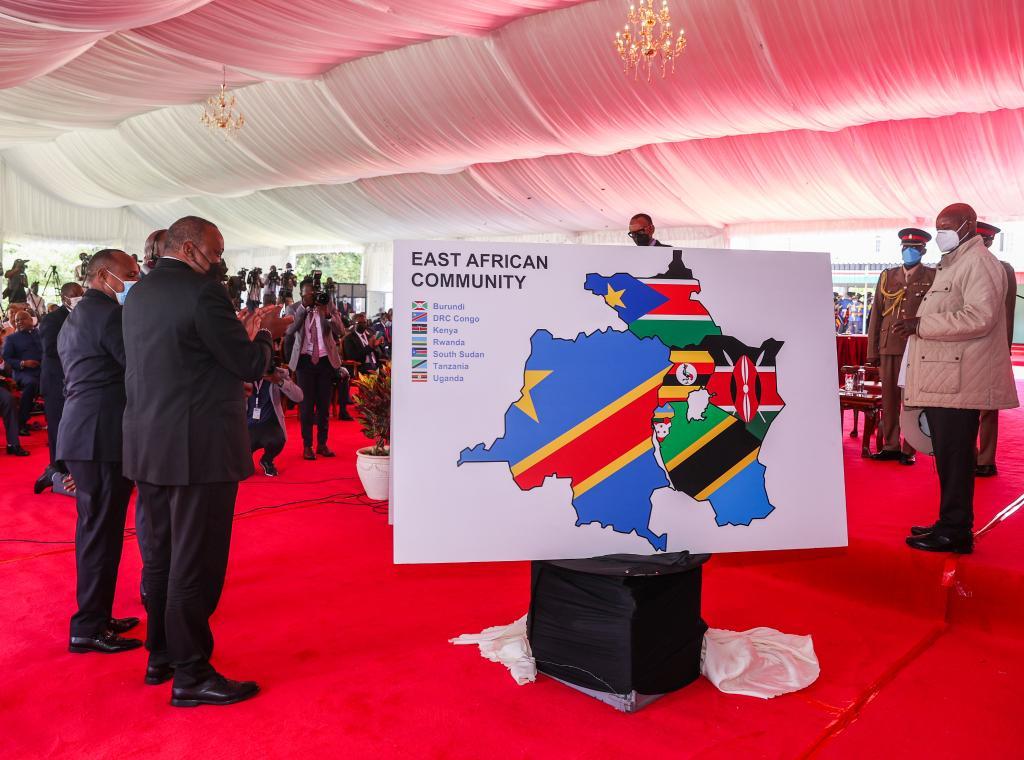
The challenge facing the EAC is not the lack of natural resources but the lack of high-tech industries. China is a perfect example of a country that transformed from an agricultural civilisation to an industrial one. More than 850 million individuals have been lifted out of poverty due to recent economic growth brought about by China’s industrialisation.
Without involvement in the fourth industrial revolution, the East African Community would never be able to escape its state of backwardness. Therefore, the DRC will catalyse industrial transformation inside the East African Community, Africa and the world.
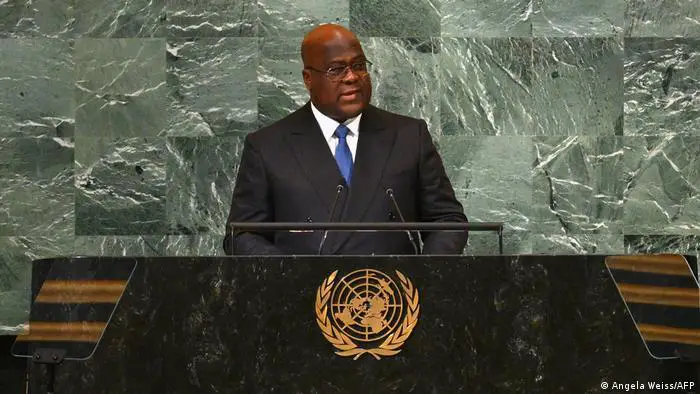
As part of improving regional infrastructure works, DRC President Tshisekedi is looking to improve its power output through its Grand Inga Dam project but has been facing resistance, especially from the West.
DRC plans to build the Grand Inga Dam, which, when complete, would be the world’s largest hydropower project. With the capacity of producing 88,000 plus Mega Watts, Grand Inga Dam would make DRC “the heart of the world’s clean energy production system.”
The Grand Inga Dam is expected to rival the power supply of major world economies like Spain; in fact, the dam’s power output would surpass the power output of all of south of Europe combined.
The scramble for, partition and exploitation of the Democratic Republic of Congo’s vast natural resources by both regional and international…
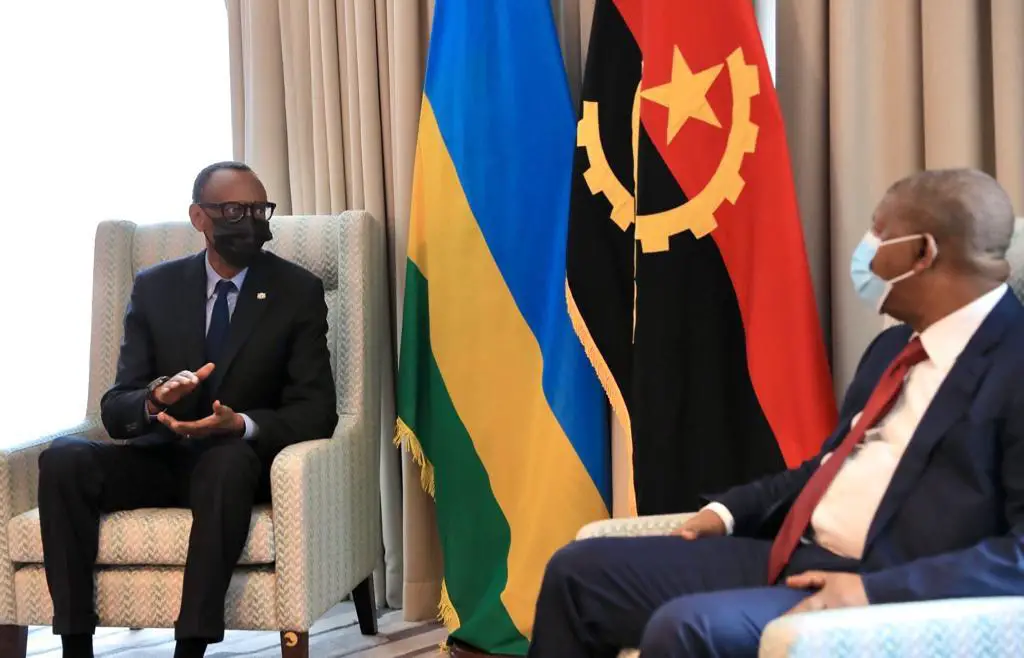
Rwandan Nationals travelling to Angola will not be required to have visas after the two countries have signed a new…
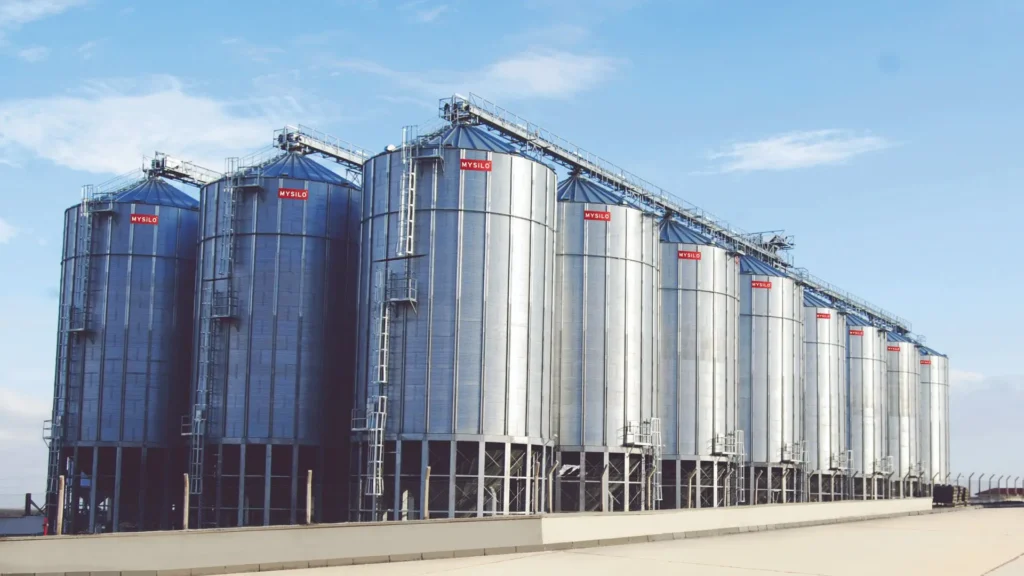
The Tanzania Cereals and Other produce Board (CPB) reported that the grain stores in Juba and Lubumbashi were already experiencing a vibrant business environment. They also expected the Mombasa facility to outperform the two.
According to the 2019 Statistics, Tanzania exported more than 97,000 tonnes of maize. This factor opened the country to the opportunity of launching its grain surplus scheme with the Southern Agricultural Growth Corridor of Tanzania (SAGCOT).
SAGCOT was established in 2010 to create a transformed and economically viable agricultural sector in Tanzania that protects food security, enhances environmental sustainability, and improves livelihoods. The Agricultural growth corridor uses 350,000 hectares in the fertile southern islands of Tanzania to grow maize, wheat, paddy, sorghum, cassava, millet, beans, bananas and sweet potatoes.
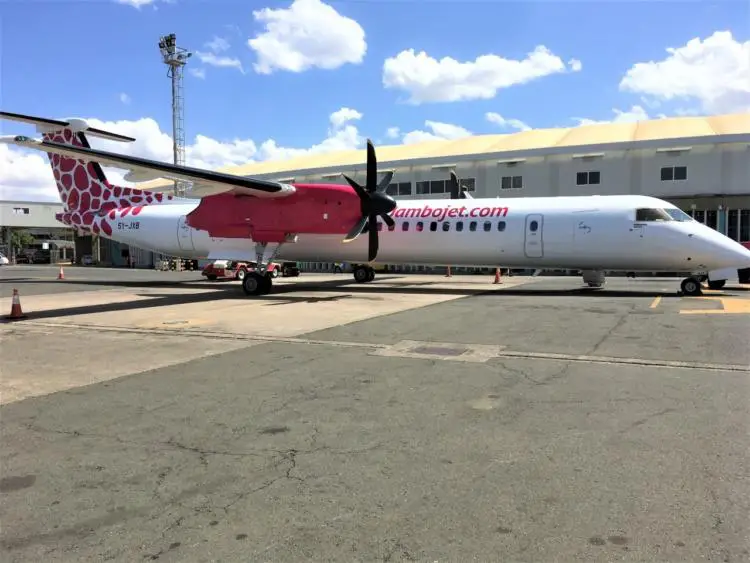
Kenyan-based low-cost carrier Jambojet has announced plans to begin operations to North Kivu Capital, Goma in the Eastern Democratic Republic…

Since Bloomberg Philanthropies launched its $40 million COVID-19 Global Response Initiative three months ago, 31 African countries have been able…
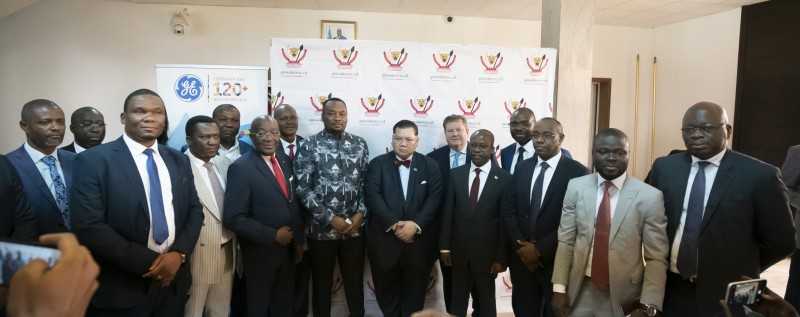
The Democratic Republic of the Congo (DRC ) and General Electric (GE) announced the signing of a Memorandum of Understanding…