


Trending
- Africa’s Green Economy Summit 2026 readies pipeline of investment-ready green ventures
- East Africa banks on youth-led innovation to transform food systems sector
- The Washington Accords and Rwanda DRC Peace Deal
- Binance Junior, a crypto savings account targeting children and teens debuts in Africa
- African Union Agenda 2063 and the Conflicts Threatening “The Africa We Want”
- New HIV prevention drug is out — can ravaged African nations afford to miss it?
- From banking to supply chains, here’s how blockchain is powering lives across Africa
- Modern railways system sparks fresh drive in Tanzania’s economic ambitions


Browsing: Digital Lending
Most Kenyans, 83 per cent, indicated a willingness to increase the amount of money they allocate to savings and investments, but the inability to save due to insufficient funds after fulfilling their obligations that require regular funding and the availability of quick digital loans.
Among their obligations which contribute to Kenyans’ financial strain is supporting their extended family which considerably bites into their savings. 84 per cent of people indicated that they regularly provide some income to their extended family, mostly in case of emergencies, because they feel a sense of obligation to send their extended families money and because their extended family members treat them better when they are sent money.
On their part, the extended family members mostly use the money to cater to recurring expenses like food & transport, school fees and medical expenses at 23 per cent, 19 per cent and 18 per cent respectively. Farm-related expenses like purchase of fertiliser ranked fourth at 14 per cent, phone and home upgrades came in fifth at 7 per cent while entertainment like Christmas celebration was sixth.
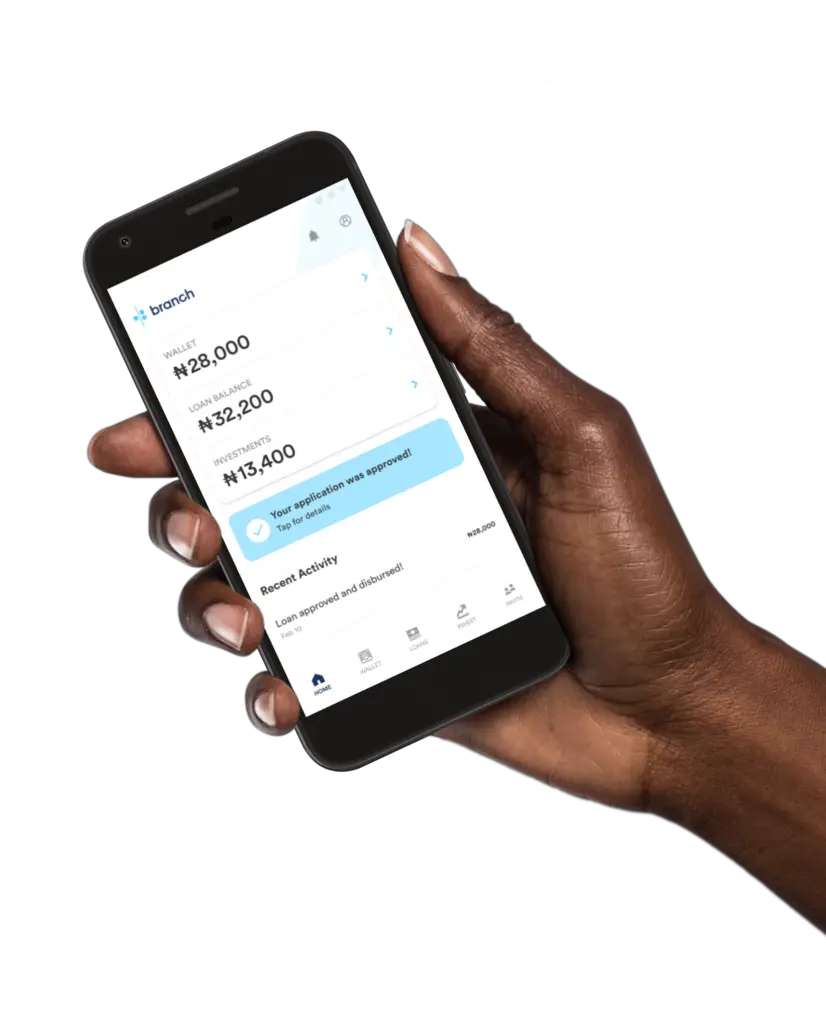
This comes after the National Treasury exempted the digital lender from a law limiting individual shareholding in microfinance to 25 per cent.
In a gazette notice signed by the Cabinet Secretary National Treasury, Ukur Yatani, the San-Francisco based fintech has been exempted from Section 19 of the Microfinance Act (for 4 years through 2025).
Currently, individuals or single entities are barred from holding more than a 25 per cent stake in a microfinance institution.

Most Kenyans turn to digital lending platforms first when looking for sources of credit to fund the growth of small…
Juba – South Sudan has launched its first-ever mobile money transfer service in Juba last week. The aim of m-GURUSH…