

Trending
- Africa Blockchain Festival ignites a new dawn for African innovation
- Africa’s gaming market set to quadruple to $4 billion, defying global slowdown
- Tanzania throws its bond market wide open to the global investors
- VALR sets sights on East Africa as blockchain moves deeper into Africa’s financial system
- The cost of the data gap: Why Kenya’s lenders can’t afford to miss the full picture
- Tanzania takes EAC labour migration helm as regional rules face overhaul
- 2026 is turning out as a defining year in geopolitics, but for whom?
- Saudi Arabia and Tanzania pledge to deepen bilateral trade ties


Browsing: Doing Business in Zimbabwe
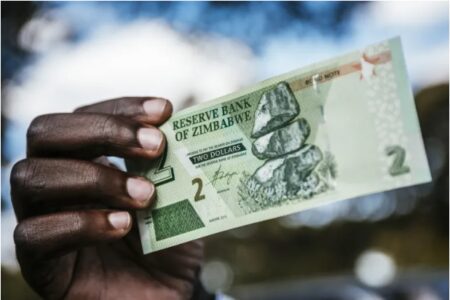
Zimbabwe’s decades old inflation has been worsened by the Russia-Ukraine war. Inflation in Zimbabwe remains one of the highest globally and the only country in Southern Africa with headline inflation above 50 per cent.
Prior to the war, rising inflation in Zimbabwe, low foreign direct investments, unsustainable foreign debt levels and corruption were among a plethora of problems plaguing Zimbabwe’s economy.
Zimbabwe’s economic problems started surfacing in 1997 when the regime of the late Robert Mugabe paid unbudgeted pensions to veterans of the country’s 1970s liberation war, leading to a currency collapse. The situation got worse in 1999 when Zimbabwe sent its troops to fight in Democratic Republic of Congo civil war that also drew armies from Uganda, Rwanda and Angola. A violent land reform programme that displaced nearly 5,000 commercial farmers, precipitating the crisis. Disputed elections and human rights violations led to the country’s economic isolation, which has taken a serious toll on the economy.
Special Drawing Rights (SDRs) are a reserve asset created by the International Monetary Fund (IMF) to supplement its member countries’ reserves.
According to the IMF’s website, a total equal to US$943 billion in SDRs has been allocated to date from the time they were created in 1969. This figure is inclusive of the SDR456 billion approved on the 2nd of August 2021. This most recent allocation was made necessary by the need to help countries around the world to cope with the effects of the COVID-19 pandemic. The value of the SDR is based on a basket of five currencies which include: the US dollar, the euro, the Chinese renminbi, the Japanese yen, and the British pound.

Victoria Falls Stock Exchange Zimbabwe’s newest stock exchange, The Victoria Falls Stock Exchange will open its doors to trading on…