


Trending
- Africa’s Green Economy Summit 2026 readies pipeline of investment-ready green ventures
- East Africa banks on youth-led innovation to transform food systems sector
- The Washington Accords and Rwanda DRC Peace Deal
- Binance Junior, a crypto savings account targeting children and teens debuts in Africa
- African Union Agenda 2063 and the Conflicts Threatening “The Africa We Want”
- New HIV prevention drug is out — can ravaged African nations afford to miss it?
- From banking to supply chains, here’s how blockchain is powering lives across Africa
- Modern railways system sparks fresh drive in Tanzania’s economic ambitions


Browsing: investing in Africa

Private capital emerges as a pivotal force in unlocking Africa’s economic growth potential. Partnerships between governments, private investors, and multilateral…

The African Development Bank’s Affirmative Finance Action for Women in Africa (AFAWA) initiative aims to close the $42 billion financing…

Kenya’s real estate investment requires obtaining the necessary financing to achieve success. Exploring various financing options and establishing strong relationships…

Nairobi, Kenya, will be the site of the highly anticipated Annual Conference of the African Securities Exchanges Association (ASEA) from…
United States officials and politicians have shown much interest and support for renewing the African Growth and Opportunity Act (AGOA) as its expiration date approaches in September 2025. The fate of this landmark legislation, which provides duty-free access to the US markets for some African countries, remains uncertain for the next 22 months but has significant implications for trade between the United States and Africa.
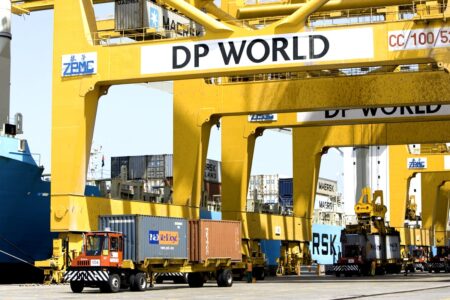
Dubai Ports World (DP World), based in the United Arab Emirates, is rapidly expanding its operations across Africa to become…
Financial knowledge remains paramount in an era in which increasingly complex financial products have become readily available to many. Governments in different countries have put more effort into expanding access to financial services. Consequently, the number of individuals with bank accounts and access to credit products is increasing.
Financial literacy remains crucial to personal and economic empowerment, enabling people to make sound financial choices and manage their finances effectively. Africa suffers from a significant shortage of financial literacy, which hinders its economic growth and development.
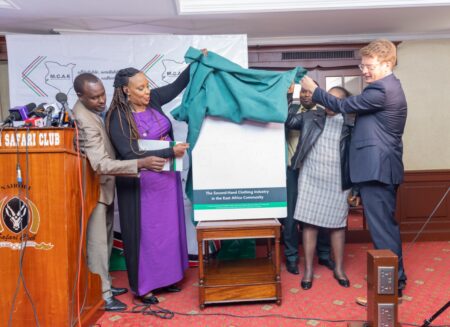
A recent report has revealed that the ban on second-hand clothing, also known as mitumba, might not enhance Kenya’s textile industry as previously anticipated. The report commissioned by the Mitumba Consortium Association of Kenya (MCAS) on the Second-Hand Clothing Industry in the East Africa Community has cautioned against protectionism towards importing second-hand clothing.
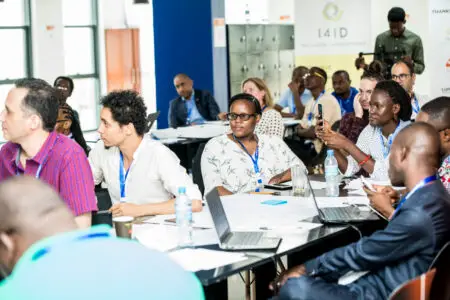
Seedstars Capital represents an alternative investment platform focused on supporting emerging fund managers and investing in technology companies in emerging…
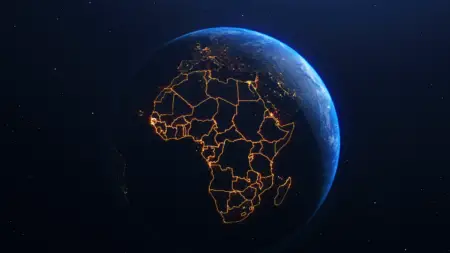
An efficient crypto mining industry can generate more job opportunities in Africa as the demand for miners, blockchain specialists, and technology specialists increases, . This encourages nations to enhance their energy and technological capacities to support crypto operations. These enhancements can considerably benefit other industries and the economy as a whole.
African nations must embrace the chance to become a crypto mining hub. This can aid in the digital economy’s growth, citizens’ financial standing, and the infrastructure for energy production. Consequently, African governments can invest in cryptocurrencies to acquire alternative funding sources for developing renewable and alternative energy sources.