

Trending
- AI’s Dual Capacity and a Strategic Opportunity for African Peace and Security
- How African economies dealt with the 2025 debt maturity wall
- Africa’s Green Economy Summit 2026 readies pipeline of investment-ready green ventures
- East Africa banks on youth-led innovation to transform food systems sector
- The Washington Accords and Rwanda DRC Peace Deal
- Binance Junior, a crypto savings account targeting children and teens debuts in Africa
- African Union Agenda 2063 and the Conflicts Threatening “The Africa We Want”
- New HIV prevention drug is out — can ravaged African nations afford to miss it?


Browsing: Uganda

There are two types of businesses that African Americans attempt to boost Africa’s economy and create income.
Businesses seeking to venture into importation and exportation and set-ups creating and investing in production manufacturing in Africa.
Rosa Whitaker, the first assistant United States trade representative for Africa, says that there is so much synergy between Africa and African American business because the region is growing in the areas where African American firms are competitive.
African American companies made a gross profit of about US21.8 billion in the industrial sector in 2013. There is a higher potential for the companies in Africa where consumerism and competitive states are favourable.
Other than the trade issues, the session examined and harmonized implementation of decisions across various sectors of bilateral cooperation including immigration, education, transport, communication, defence and security, energy and mineral development among others.
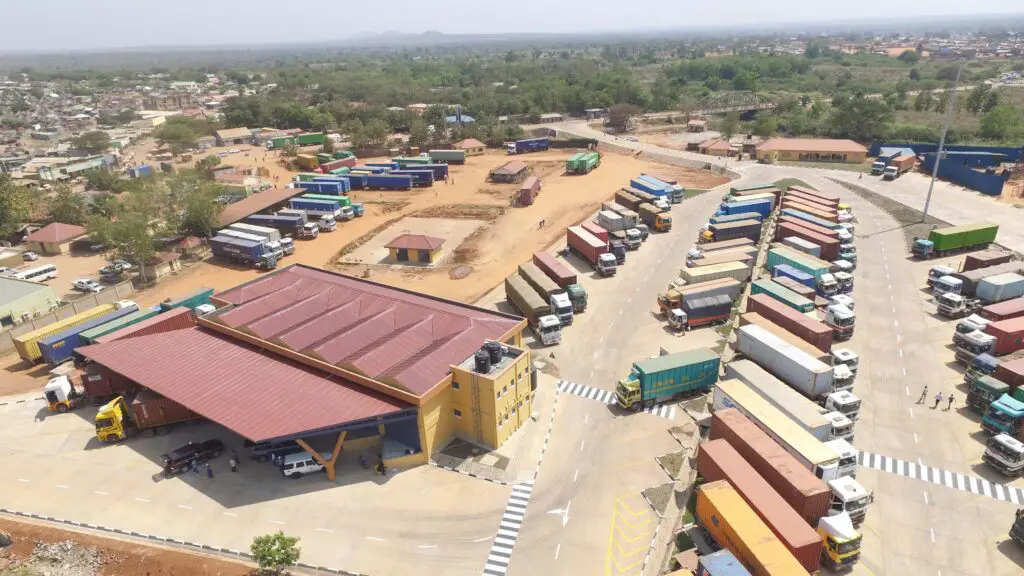
The meeting was a success to say the least, however, it still remains to be seen whether in the wake of the meeting, Ugandan truckers will pay less at the Tanzanian border. With a six month reporting period, a lot can transpire in the interim.
It is now going towards a month since the January sit-down and no ground reports have been publicized as to whether the toll fees have been harmonized for Uganda to match other EAC charges at the Tanzanian border.
South Sudan joined the East African community joined the EAC in April 2016, after being the youngest nation to gain independence on July 9, 2011. In 2020, South Sudan’s exports summed up to US$87 million to the EAC member states, while imports amounted to US$573 million.
In contrast to the year 2016, the exports and imports to the same stood at US$2.6 million and US$400 million respectively.
According to the International Trade Center, South Sudan exported US$86 million and imported US$357 million from Uganda in 2020.

SEACOM will acquire selected infrastructure assets from Africell Uganda, which are essential for connecting enterprise customers searching for Internet services…

The programme will facilitate access to the Royal Academy’s global network of experienced, high-profile and business experts, in addition to access to the alumni network upon completion of the programme.
Moreover, 2022 is the programme’s second consecutive year to render a digital experience, with rigorous support provided through person-to-person and group discussions.
Four finalists will pitch their revised and improved innovations and business plans to the judges in the presence of a live audience.
While tech has presented an avenue to create jobs, supply isn’t catching up with demand. Additionally, the continent’s best talents are leaving in droves to foreign companies in the U.S, Canada, the U.K., and Germany.
AltShcool Africa founded by Adewale Yusuf, Akintunde Sultan and Opeyemi Awoyemi last October in Nigeria, has already received more than 8,000 applications for its software engineering program which starts in April.
These applications come from 19 countries (including 14 African countries) and Yusuf said the company received the most entries from Nigeria, Ghana, Uganda, Kenya and Botswana.

EAC Secretariat Secretary-General Peter Mathuki has hailed the governments of the Republic of Rwanda and the Republic of Uganda for…

The Kampala Capital City Authority (KCCA) decongest the Central Business District (CBD) by removing boda boda riders and reducing public…
In the first six months of the year, Kenya’s food imports had increased to sh103.34 billion. The figures collected by the Kenya Revenue Authority (KRA) showed that the food imports were sh12.35 billion more than the amount spent in the same period in 2020.
According to data from the national treasury, import expenditure increased by 29 per cent in the third quarter of 2021. China is the most significant contributor of Kenyan imports accounting for 31.6 per cent of the total bill from the Asian continent.
This is the fastest growth in the food import bill since a 60 per cent jump recorded in 2016 when the bill stood at sh82.83 billion. The exponential increase has been linked to the growing popularity of digital trading, allowing retailers and consumers to order and ship food and other commodities directly.

To ease the truck traffic snarl-up at the Busia, Malaba border, Uganda has committed to conducting free COVID-19 tests Uganda’s…