
Trending
- AI’s Dual Capacity and a Strategic Opportunity for African Peace and Security
- How African economies dealt with the 2025 debt maturity wall
- Africa’s Green Economy Summit 2026 readies pipeline of investment-ready green ventures
- East Africa banks on youth-led innovation to transform food systems sector
- The Washington Accords and Rwanda DRC Peace Deal
- Binance Junior, a crypto savings account targeting children and teens debuts in Africa
- African Union Agenda 2063 and the Conflicts Threatening “The Africa We Want”
- New HIV prevention drug is out — can ravaged African nations afford to miss it?


Browsing: Uganda
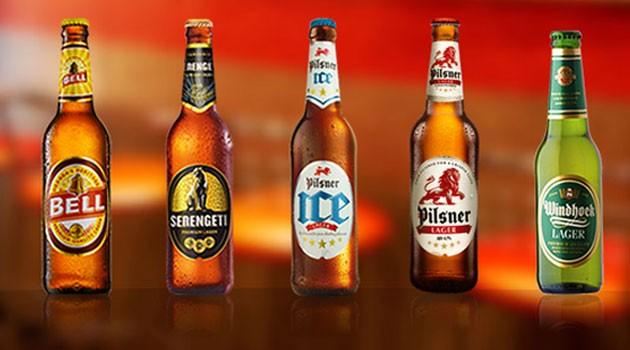
According to the brewer, profit after tax for the period declined 1 per cent to Sh7 billion mainly impacted by cost inflation, tax and foreign exchange impact.
Further, the COVID-19 related tax reliefs in Kenya on corporation tax and VAT ended in December 2020, resulting in higher tax charges for the year as the rates reverted back to pre-COVID levels.
The company said the slower profit growth rate was driven by the impact of cost inflation, adverse foreign exchange and tax charges.
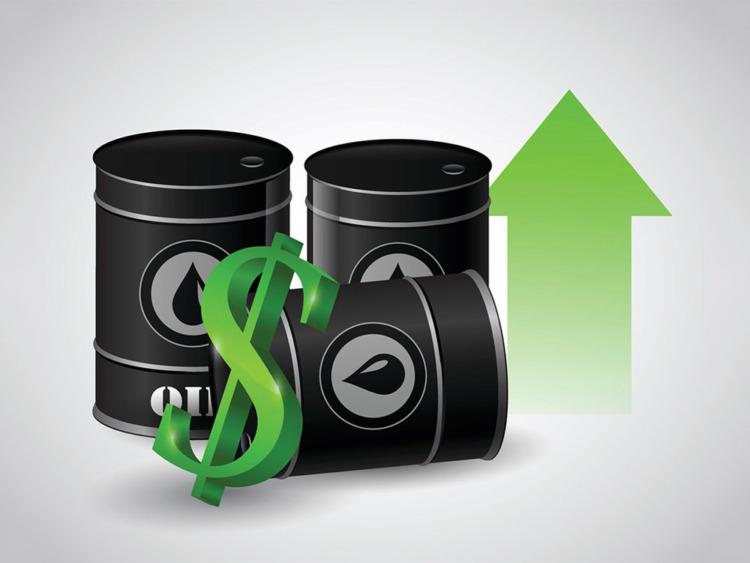
As of July 1, price for petroleum products in Tanzania increased drastically owing to the amendments outlined in the country’s new Finance Act as passed by parliament. A huge chunk of the money you pay at the pump goes to the government in taxes; in fact the government takes anything between 30 and 40 percent in form of taxes, levies and regulatory fees.
Nonetheless, Tanzania’s Energy and Water Utilities Regulatory Authority (Ewura) still attributed the price hike to global trends, in part admitting to the tax effect and in part deflecting it to global trends.
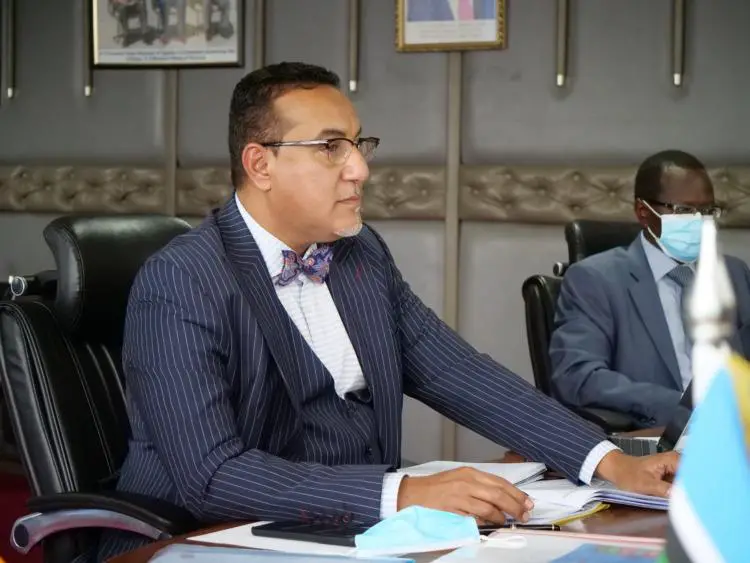
A plan seeking to revive tourism in East Africa has been approved, following the negative impact of the coronavirus pandemic…
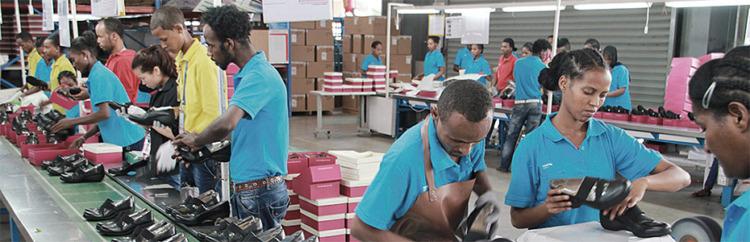
That year, in 2015, Kenya, Rwanda, Uganda, and Tanzania settled for a three-year plan to phase out the importation of used clothes, a major exporter been the United States. To realise the intended ban, taxes were increased on second-hand clothes were increased effectively deterring their importation. The plan was to completely ban the import of second-hand clothes as of 2019.
This ambitious vision was never realized as the Trump administration issued an ultimatum for EAC to rescind the ban on second-hand clothes by 23 February 2018 or, as the DW writer Isaac Mugabi puts it ‘face the consequences.’
If death could be bribed, the rich men would never die, this old African saying has come to life as…
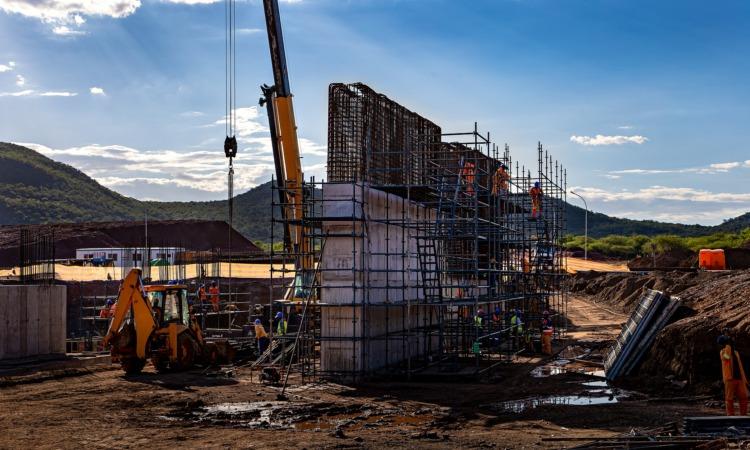
Is China is fueling Africa’s economy? That could be a question with so many angles to explore – such as – is it worth it for…
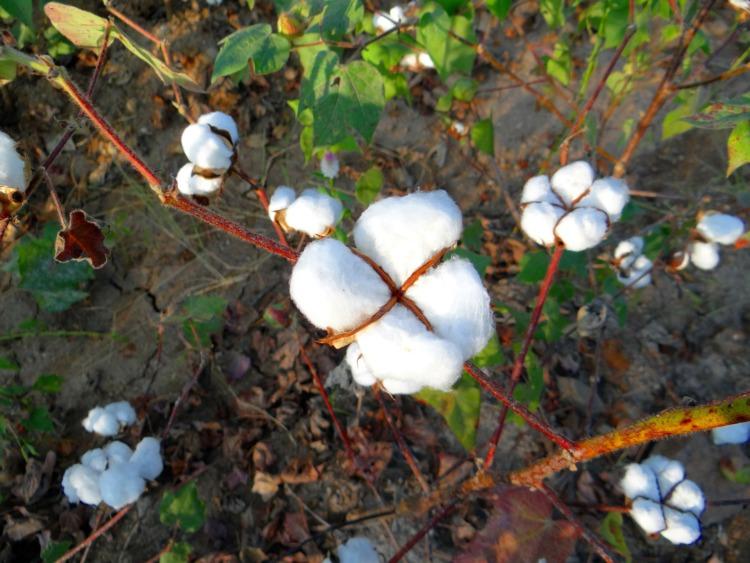
NAIROBI, Kenya, Jun 13 – East Africa Community (EAC) partner states need to exploit the potential of exporting raw cotton…

Airtel Uganda and KCB Bank Uganda announced a partnership to introduce a variety of mobile loans and savings solutions in…
The ceremony was attended by local and regional dignitaries – heads of states, ministers, heads of diplomatic missions and international organizational heads. H.E. Museveni in his speech gave highlights and assurance to the business community around the East African region, Africa and the world at large, stating that the National Resistance Movement (NRM), – the ruling party, stands for Pan-Africanism which translates into economic and political integration. Economic integration in this case refers to having a common market for products and freely doing business within the borders of the neighbours. This is an assurance that the Ugandan market specifically, is open for interested economies and individual business owners and investors.
Remittance to Kenya increased by 10 percent to $3,095 million in 2020 from $2,796 million in 2019 while in Uganda…