

Trending
- Nigeria’s oil output soars to heights not seen since 2020. Here’s what’s changing behind the numbers
- Kenya’s construction costs surge at fastest pace in four years as fuel price shock hits
- African trade is growing despite the obstacles
- Why global capital is betting big on Africa’s digital promise
- Kenya posts stronger-than-expected Q1 growth at 5.3% on manufacturing rebound, tourism boom
- China’s new investment rules are about guardrails, not closed doors
- Zanzibar optimistic economic growth will hit 7.5% on tourism boom
- Kenya defies economic shocks to post record $22 billion in tax collections


Author: Giza Mdoe

Giza Mdoe
Giza Mdoe is an experienced journalist with 10 plus years. He's been a Creative Director on various brand awareness campaigns and a former Copy Editor for some of Tanzania's leading newspapers. He's a graduate with a BA in Journalism from the University of San Jose. Contact me at [email protected]
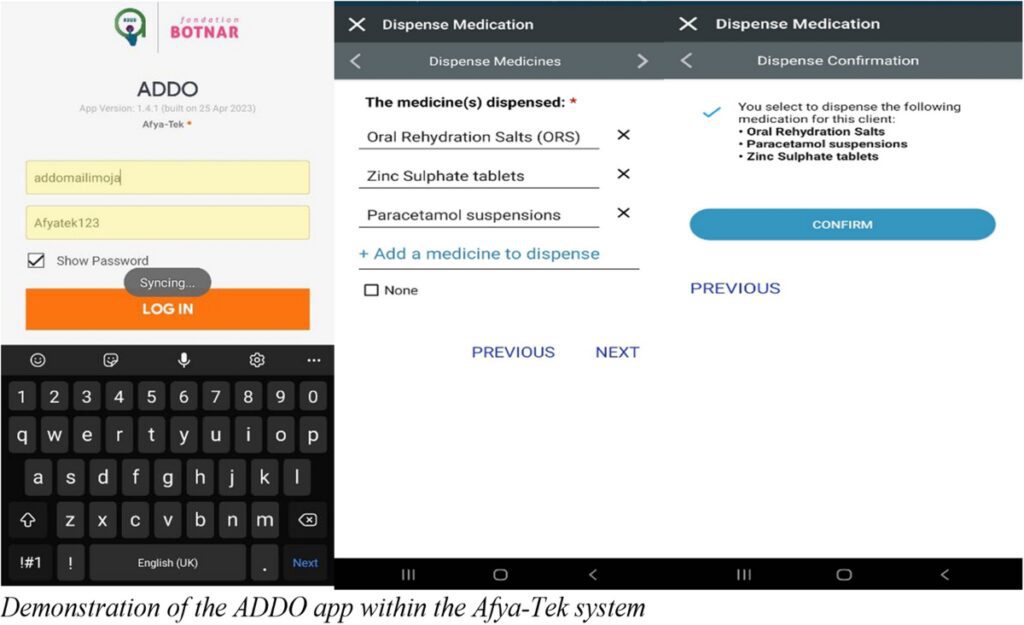
Digital health is no longer a dream, platforms like Afya-Tek are already delivering faster, cheaper care to hundreds of thousands in Tanzania. With $0.24 per patient, digital solutions could save millions of lives. Can the solution be rolled out at scale across Africa? From ADDOs to community volunteers, Tanzania’s Afya-Tek proves private-sector tech can transform rural healthcare without breaking the bank. As healthcare systems in low- and middle-income countries (LMICs) like Tanzania grapple with workforce shortages, rising costs, and uneven access, digital health solutions are emerging as a powerful response. A December 3, 2025 report titled Bridging the Digital Health…
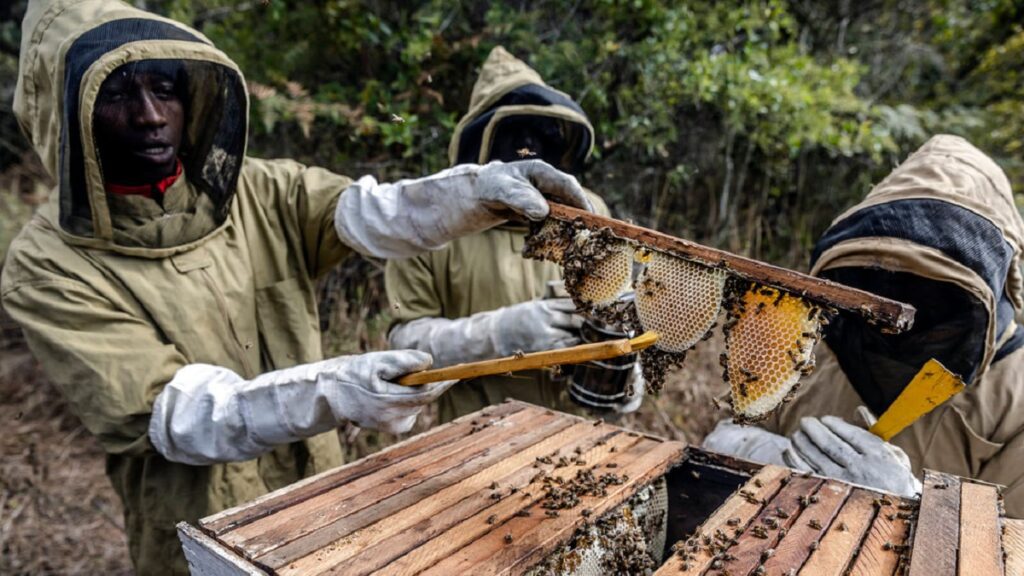
Tanzania’s beekeeping industry is quietly generating $77.5 million a year, could it become Africa’s next billion-dollar sustainable investment frontier? With two million people employed and low-contamination beeswax, Tanzania’s apiculture sector is primed for organic export dominance. From pollination power to premium honey markets: Africa’s resilient beekeeping model is turning hives into high-impact investment opportunities. Africa’s beekeeping industry is buzzing with untapped potential. In Tanzania, a country with vast forests and supportive policies, stands out as a prime hub for sustainable apiculture. As global demand for natural honey surges—driven by health trends and organic markets, investors are eyeing the African beekeeping…

As EU aid hangs in the balance post the October 2025 elections, Tanzania’s gold reserves, which now stands at $6.2Bn, could redefine the country’s monetary resilience. From $260M interventions to booming horticulture exports, the Bank of Tanzania (BoT) is arming its currency against global shocks. Globally, gold prices are set to hit $3,700/oz in 2026. Can Tanzania’s reserves turn October 2025 election jitters into a trade windfall for East African markets. In an era of roiling geopolitical tensions and economic volatility, Tanzania’s central bank is wielding gold reserves as a strategic asset to fortify its currency against volatility. The Bank…
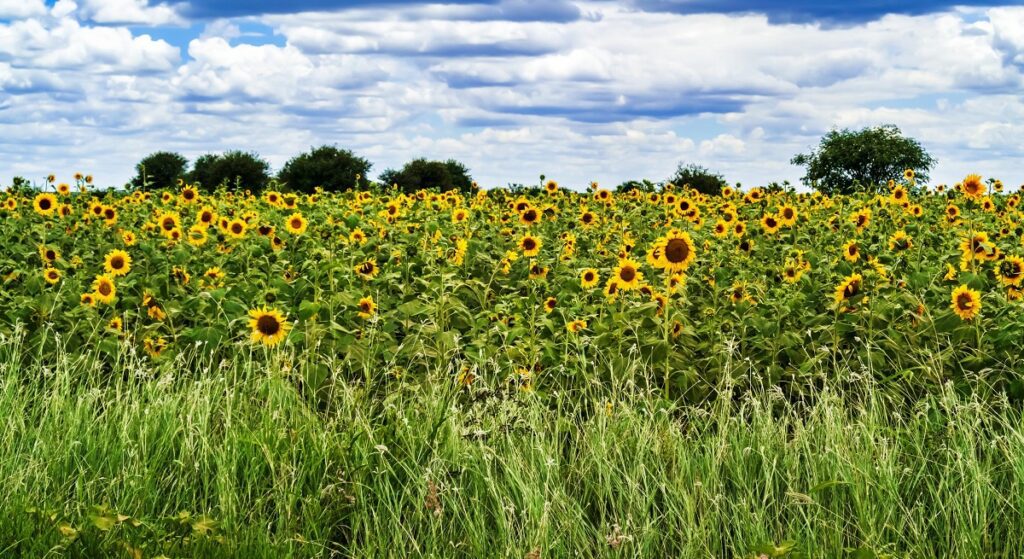
In Tanzania’s edible oil sector, billions in untapped value await youth and women in the booming sunflower industry as the country pushes for self-sufficiency and exports. From $130M Hungarian plants to Chinese factories in the countryside, investors are betting big on Tanzania’s sunflower revolution, will locals reap the rewards? Tanzania imports $250M in oils yearly, but with new processing giants rising, could empowered young farmers turn deficit into dominance? Tanzania’s sunflower industry is emerging as a beacon of opportunity in East Africa’s agribusiness landscape, with major investments poised to unlock billions in value while empowering the nation’s youth and women.…
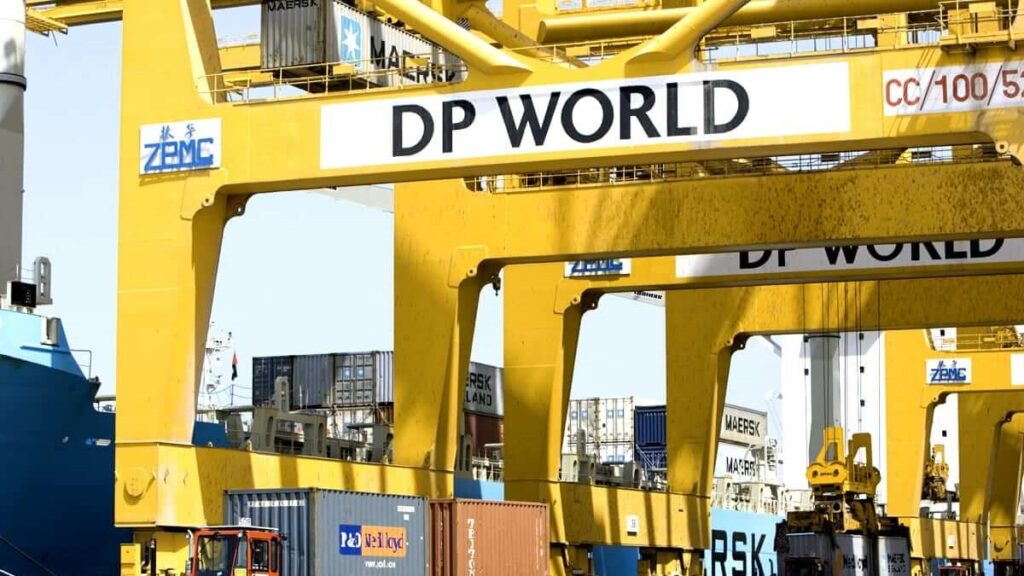
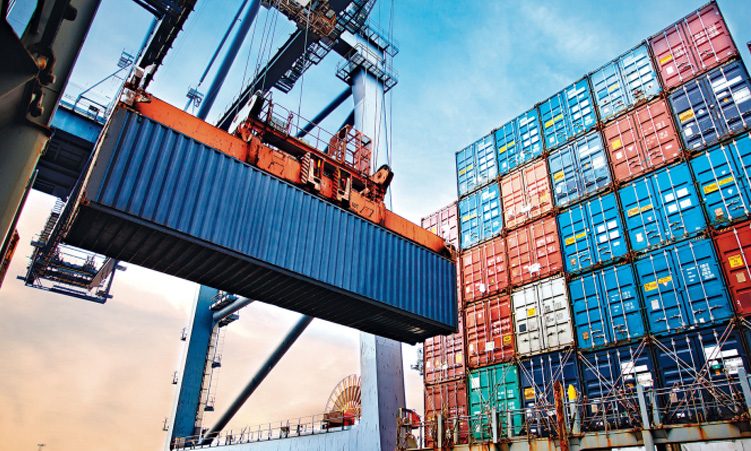
The Port of Dar es Salaam has seen total cargo throughput increase to 27.7M tonnes annually on account of heavy investment and modernization of cargo operations by Dubai’s DP World. Also credited in this rising returns is increasing efficiency by Tanzania East Africa Gateway Terminal Ltd (TEAGTL), an entity which is emerging as a premier container handling company at Dar Port. Together with digital transformation at the harbour, authorities report 15% annual growth in tonnage handling, a “ level not achieved since the port’s inception.” Tanzania has reported record increase in cargo tonnage running through the Port of Dar es…
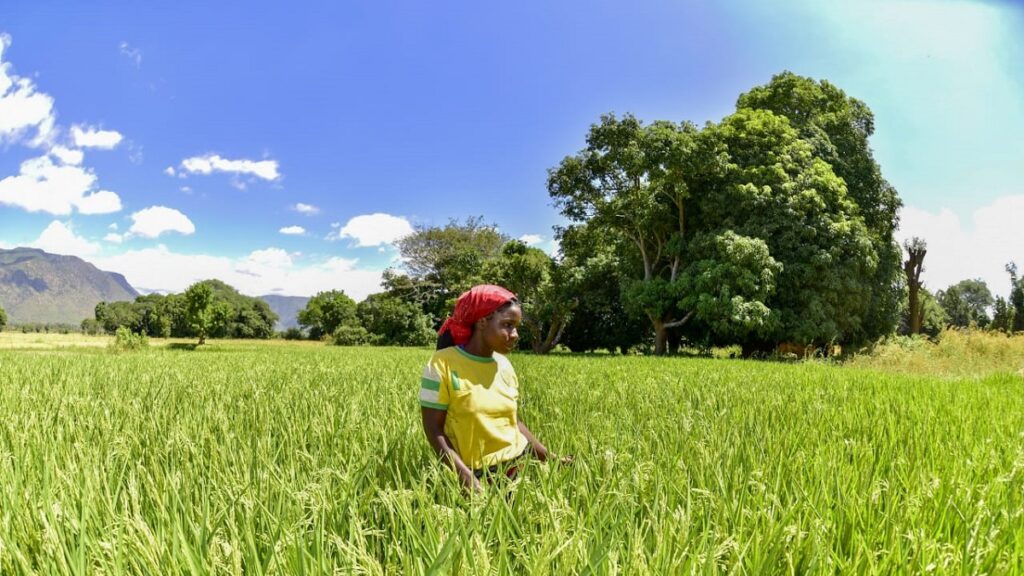
About five years ago, the World Food Programme (WFP) projected that Tanzania was on course to become Africa’s breadbasket by 2027. The WFP, in liaison with AGRA set five year strategies for Tanzania to feed Africa. At the moment, Tanzania’s food self-sufficiency rate is up 124% with surplus exceeding four million tonnes. Tanzania is set to become Africa’s breadbasket by 2027, the World Food Programme projected five years ago, with months to the projected timeline, is this vision realistic or was it overly optimistic? It was in 2022, Rome, Italy, the world’s most revered cuisine capital that the World Food…
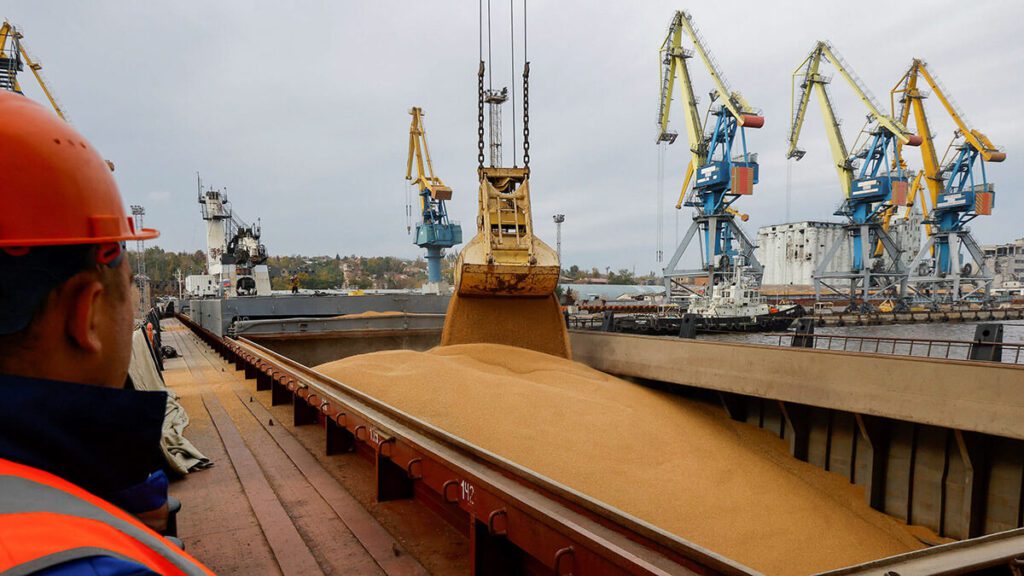
As global food prices stay stubbornly high, Africa’s vast untapped farmland could hold the key to feeding a hungry planet. From Ukraine’s war to climate shocks, Africa’s food crisis deepens – but its smallholders might yet become the world’s lifeline. With 60% of the planet’s arable land lying idle, is Africa ready to step up and secure global food supplies? As global food prices remain elevated amid lingering supply disruptions and seasonal demands, attention turns to Africa’s vast agricultural potential as a bulwark against worldwide food insecurity. The Food and Agriculture Organisation (FAO) has long highlighted the continent’s capacity to…
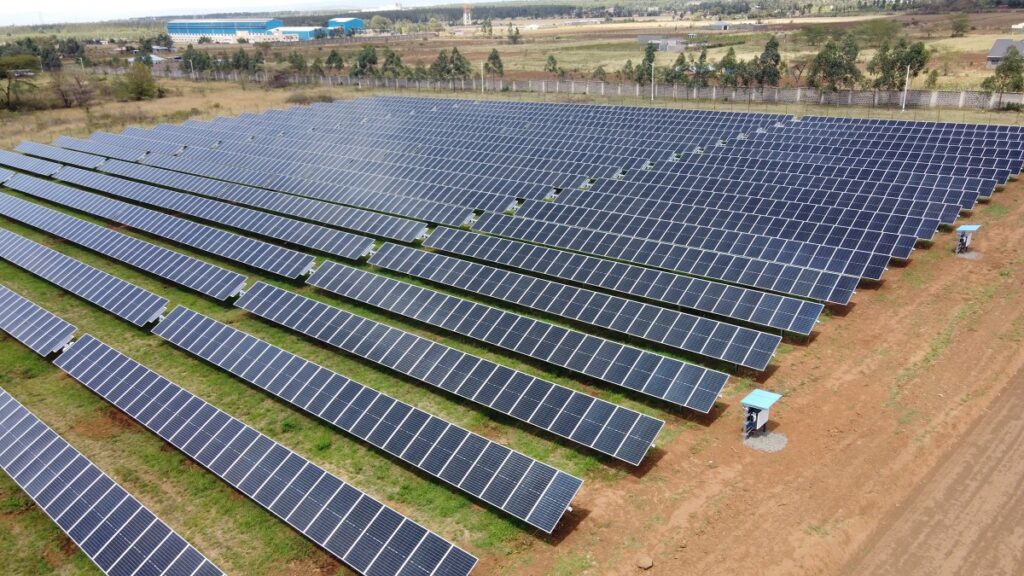
Renewable energy: Even as Africa holds 40% of global solar potential, trillion-dollar gas reserves threaten to tilt the scales, leaving the continent’s policymakers standing at a pivotal energy crossroads, renewables for a green legacy or gas for immediate prosperity? In a year where solar costs plummeted 89% and gas discoveries promised billions, Africa’s leaders must navigate political pressures to turn abundant resources into equitable power for all. From Kenya’s solar grids to Tanzania’s offshore gas fields, 2025’s energy equation reveals a high-stakes battle: embrace renewables for climate resilience or lean on gas for short-term gains? Africa’s energy industry is changing…

Donald Trump’s health aid financing deals between governments put a lot of emphasis on sharing data to improve disease and pathogen surveillance across Africa. This plan eliminates traditional NGO funding model. Already, Kenya, Uganda, and Rwanda have signed five-year agreements worth $4.5 billion, with a focus on HIV, TB, malaria, and strengthening health systems. USAid’s closure in March 2025 cut off a lifeline that sent $8 billion a year to African health ecosystem. The U.S government is starting a new era in health aid in Africa, rolling out billions of dollars in direct bilateral financing for healthcare systems, effectively bypassing…
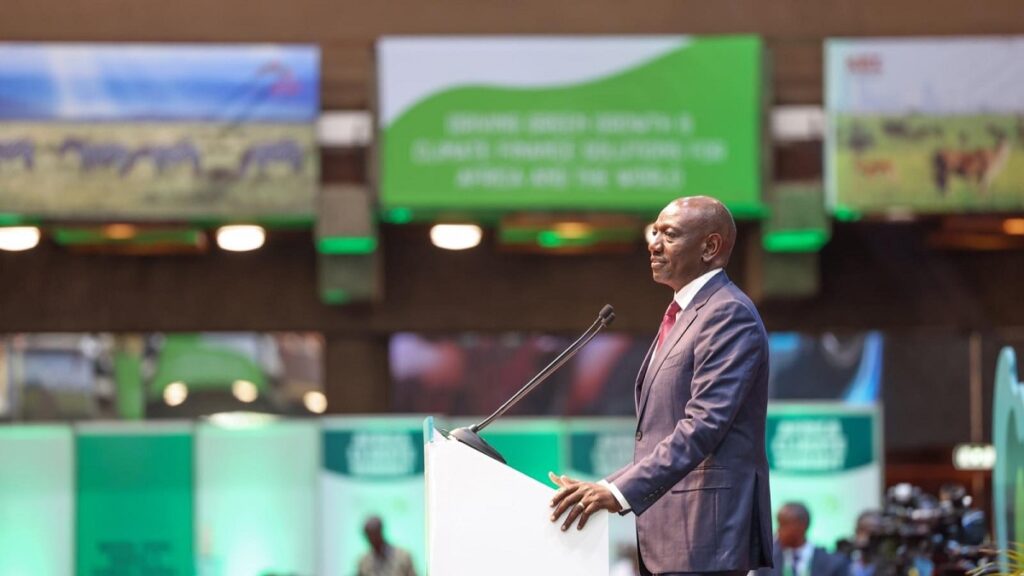
Africa sits on solar gold worth 10 terawatts yet flirts with trillion-dollar gas—will politics tip the scale toward green legacy or fossil quick wins? From Kenya’s solar grids to Tanzania’s offshore initiatives, 2025 exposed Africa’s energy dilemma: embrace renewables for resilience or gas for revenue? In the tug-of-war between sun and gas, Africa’s leaders hold the reins—choose wisely, or risk stranding a generation in carbon lock-in. This year, Africa worked toward fair climate finance based on the 2023 Nairobi Declaration. It was a year of big goals and systemic problems. The declaration called for changes to global financial institutions that…