

Trending
- Africa’s Green Economy Summit 2026 readies pipeline of investment-ready green ventures
- East Africa banks on youth-led innovation to transform food systems sector
- The Washington Accords and Rwanda DRC Peace Deal
- Binance Junior, a crypto savings account targeting children and teens debuts in Africa
- African Union Agenda 2063 and the Conflicts Threatening “The Africa We Want”
- New HIV prevention drug is out — can ravaged African nations afford to miss it?
- From banking to supply chains, here’s how blockchain is powering lives across Africa
- Modern railways system sparks fresh drive in Tanzania’s economic ambitions


Author: june njoroge
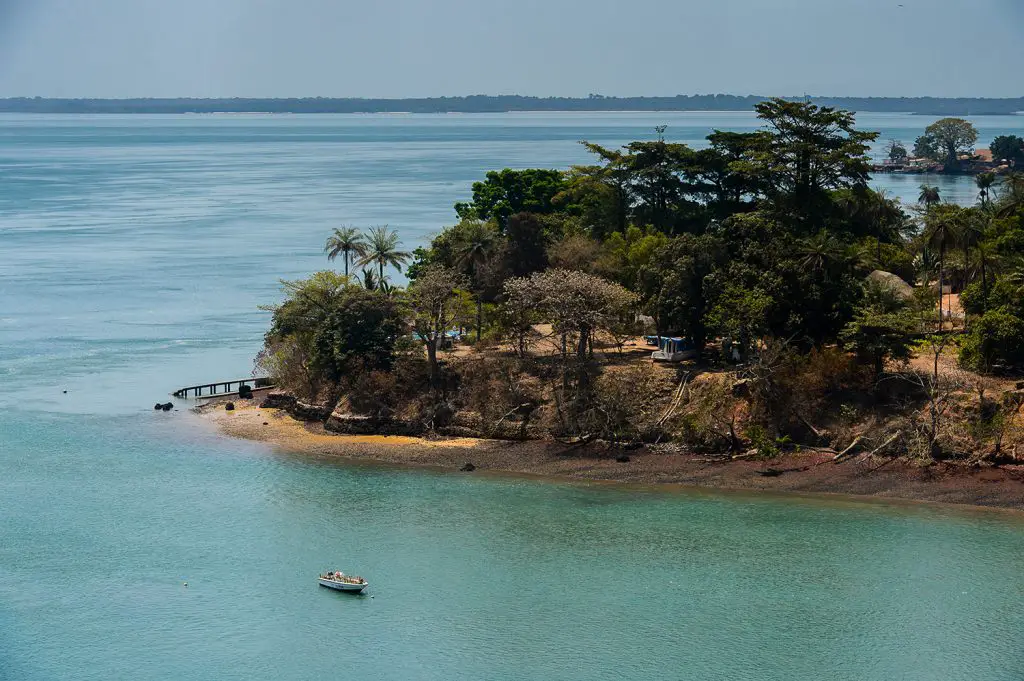
2022 has been a significant year that has marked the robust revival of Africa’s tourism industry which was almost gobbled up in the throes of the Covid-19 pandemic. According to the World Travel and Tourism Council latest Economic Impact Report (EIR), the African Travel and Tourism sector’s GDP is estimated to grow at an average rate of 6.8 percent annually between 2022 and 2032, creating 14 million new jobs. Furthermore, the sector’s contribution to GDP is expected to grow 20.5 percent to $144B by the end of 2022, amounting to 5.1 percent of the total economic GDP. Moreover, employment in…
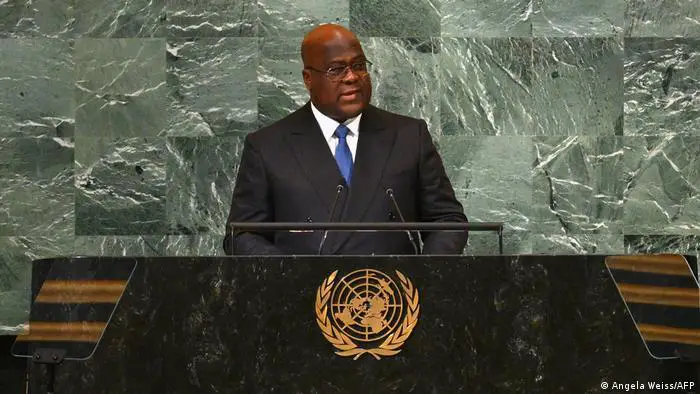
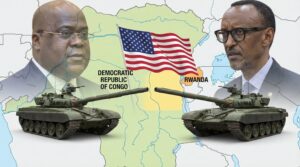
The scramble for, partition and exploitation of the Democratic Republic of Congo’s vast natural resources by both regional and international players, have for centuries robbed the country of its peace. Since the dark colonial era of King Leopold II when the DRC was known as the Belgian Congo in the 19th and 20th centuries respectively, the country has incessantly fought to just survive. The so-called ‘resource-curse’, has left citizens to bear the brunt of the ever-emerging conflicts. The achievement of peace in the DR Congo has hitherto seemed an elusive dream, but could the incumbent President Félix Antoine Tshisekedi, be…
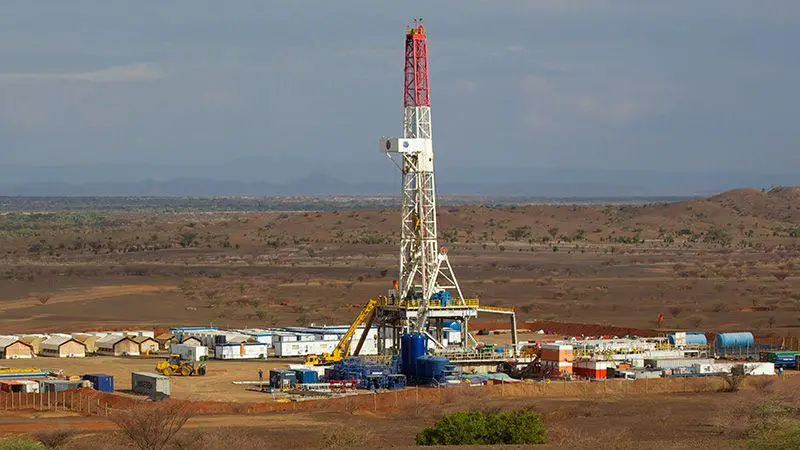
Kenya first announced the discovery of oil in Block 10BB and 13T in Turkana in March 2012.
This became a beacon of hope for the nation, to massively spur economic growth through the so-called ‘petro-dollars’. Currently, Tullow is the project operator and has a 50 per cent stake, while Africa Oil Corp and Total Energies hold 25 per cent each. However, the country is yet to fully commercialize crude oil production. Hitherto, Kenya’s petrodollar dream has only experienced delays and missed deadlines. The project stalled as the companies’ focus was on mitigating debt and finalizing its development programme.
The major road block has been a lack of sufficient working capital, which has led to a scale back in activities to minimize capital investment, until both a strategic partner and the Final Development Plan (FDP) are approved. Since the start of the year, the firm has been engaged in discussions with the government, on the approval of its FDP and securing their deliverables thereof. Currently, the government has extended the review period of the FDP to the November 6, 2022.
“These items require satisfactory resolution before the Group can take a final investment decision. Due to the binary nature of these uncertainties, the Group was unable to adjust the cash flows or discount rates appropriately,” Tullow explained.
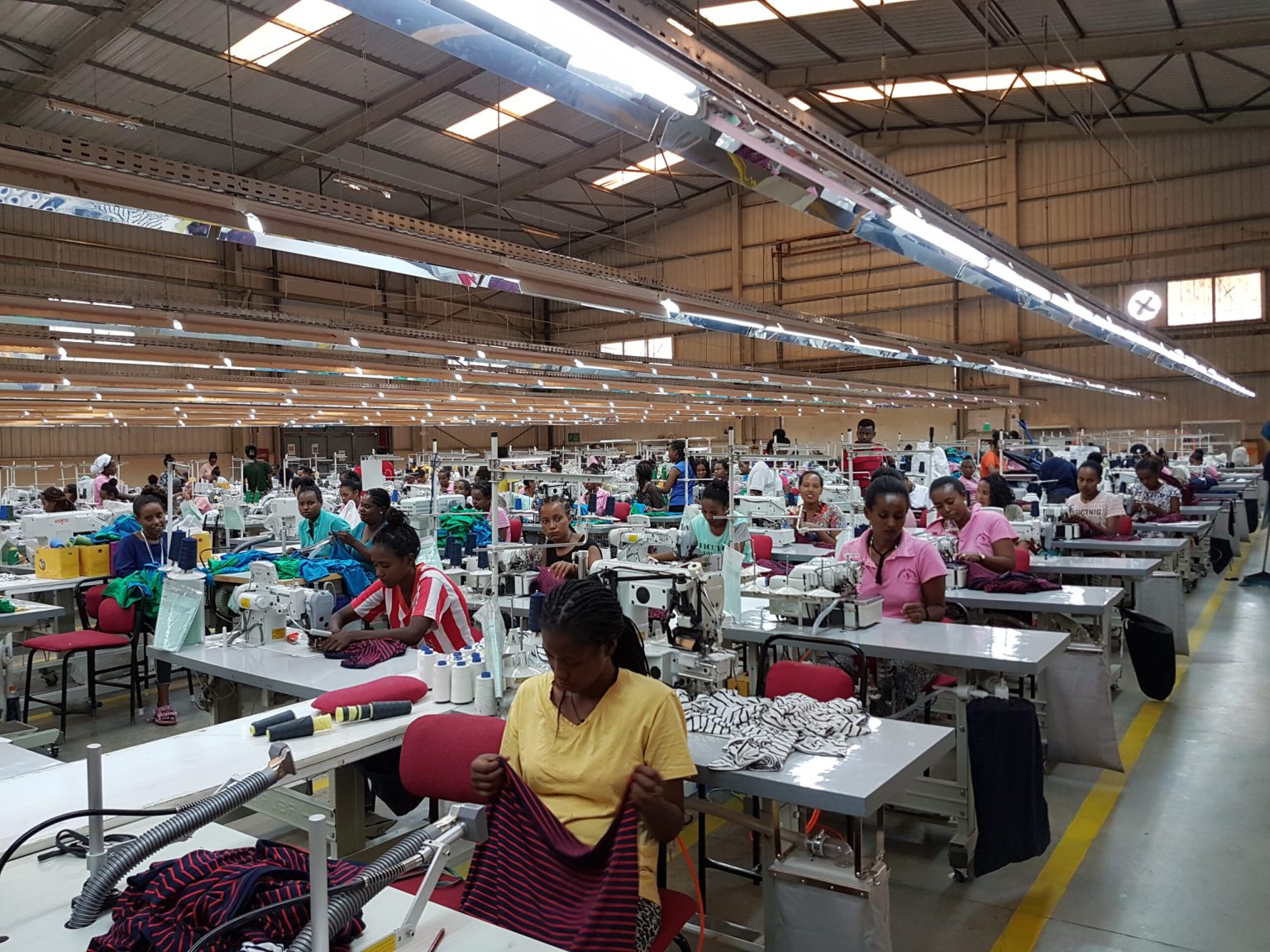
The African Continental Free Trade Area (AfCFTA) has been hailed as a catalyst to immense economic development in Africa; a flagship project of the AU’s Agenda 2063, projected to boost intra-African trade, connect over 1.3B people across 55 countries with a combined GDP of about US$3.4 trillion.West Africa is one of the fastest growing regions in Africa and is the official headquarters of the AfCFTA, located in Accra, Ghana; which is among the countries that will commence trading soon. The region is comprised of sixteen countries which include: Burkina Faso, Benin, Togo, Nigeria, Ghana, Guinea, Mali, Cape Verde, Niger, Senegal,…
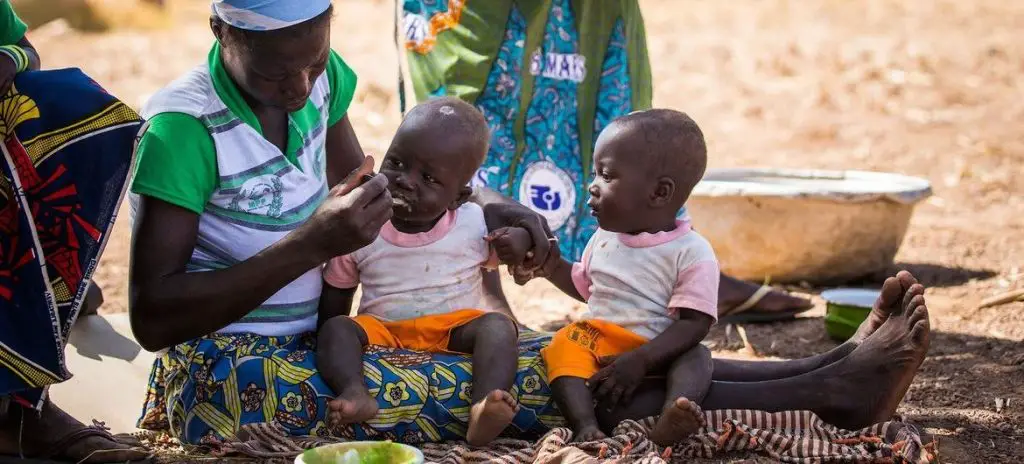
The report indicated that AfCFTA has the potential to attract greater FDI, required for Africa to diversify into new industries such as agribusiness, manufacturing and services. The report projects that this could create 18 million new jobs by 2035, with 2.5 per cent of the continent’s workers moving to new industries. In addition, more significant FDI could raise Africa’s exports to 32 per cent by 2035, with intra-African exports growing by 109 per cent, especially in the manufactured goods sectors. All countries will record an intra-African export increase, such as Tunisia by 165%, Cameroon by 144%, Ghana by 132%, Tanzania by 126% and South Africa by 61%.
Breaking trade barriers will increase investment and export sectors likely to grow the most: textiles and apparel, rubber, chemical and plastic products, and processed foods. Deeper integration would lower trade costs and boost capital inflows, bolstering exports from service sectors such as communication, transport and hospitality.
According to the ‘Futures Report: Which Value Chains for a Made in Africa Revolution’ prepared by the UNDP and AfCFTA Secretariat, there are opportunities that need to seizing for the One African Market, such as pharmaceuticals; automotive; cultural and creative industries; cocoa; soya; leather and tanned products; mobile financial services; lithium-ion batteries; textiles and apparel; vaccine manufacturing. In view of this, governments and entrepreneurs on the whole, can identify which opportunities are best suitable for their nation’s entry into the AfCFTA market.
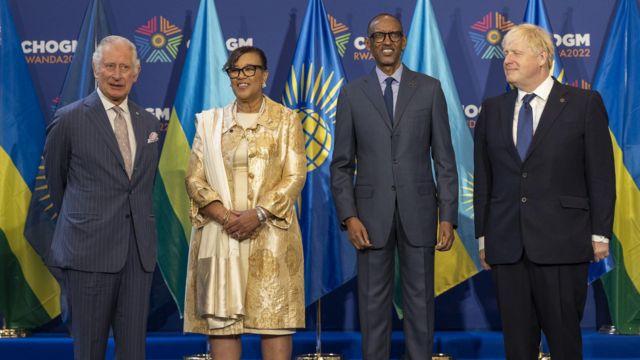
AfCFTA facilitates better access to trade across the continent for all Commonwealth citizens in member states; being one of world’s largest trading blocs. During her visit to Kenya in 2018, SG Scotland noted that, “AfCFTA gives the perfect platform to facilitate trade across the Commonwealth. Nineteen members of the AU are part of the Commonwealth family, the protocol is groundbreaking news because research shows, that when Commonwealth countries trade with each other, its 19 per cent cheaper and this is the Commonwealth Advantage.”
The combined GDP of Commonwealth countries, with a total population of over 2.4B, is now around $13 trillion and is estimated to reach $19.5 trillion in 2027. “With intra-Commonwealth trade expected to surpass $700 billion in 2022, and Commonwealth countries comprising a number of free trade zones including the Africa Continental Free Trade Area (AfCFTA), the Commonwealth Business Forum, provided a valuable opportunity to capitalize on global opportunities, for economic growth and social development.” The CEO of Trust Stamp, Gareth Genner who was one of the key guests at the 2022 CHOGM Business Forum, observed.
Earlier in the year, during the AfCFTA’s Secretary General Wamkele Mene’s visit to London, the UK launched a programme to support the implementation of AfCFTA; where the Foreign Commonwealth and Development Office (FCDO), pledged to provide up to £35m to provide trade facilitation and trade policy support to the AfCFTA Secretariat and Member States, through Trademark East Africa (TMEA), Overseas Development Institute (ODI) and other regional partners.
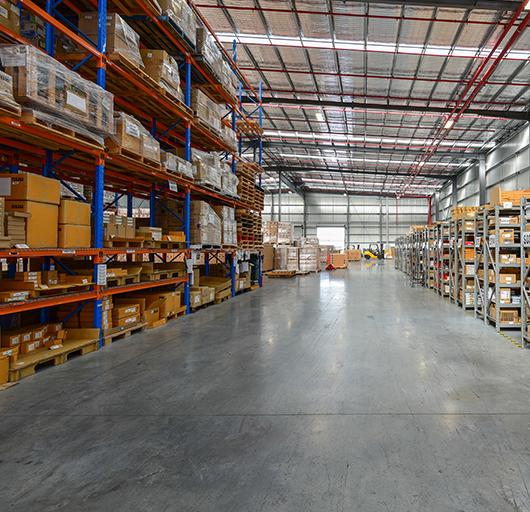
The demand for quality warehousing in Africa has been skyrocketing, especially with the rapid mushrooming and proliferation of e-commerce platforms across the continent. However, the supply has scarcely risen to meet the burgeoning demand. In 2021, the African e-commerce industry grew by 31 per cent to US$28B in revenues from US$21.4 in 2020; whilst in 2022, the industry is predicted to produce US$33.3B in revenue. This upward trajectory has largely determined the steady growth of the warehousing and logistics market in the continent. Overall, Global Smart Warehousing Market is valued at USD 14.46 Billion in 2020, and is expected to…
The promise of industrialization in East Africa has been on an exponential growth trajectory, remarkably transforming the economies of all the thirteen nations in the region. The root of this massive developmental shift has been the strategic partnerships that countries across the region have engaged in with developed countries, pertinently in Asia. This is well attuned to Africa’s Agenda 2063 on the ‘Africa we want’ set by the African Union (AU), which advocates under its first aspiration, a ‘Prosperous Africa based on inclusive growth and sustainable development’ and ‘A Strong, United, Resilient and Influential Global Player and Partner’ under aspiration…
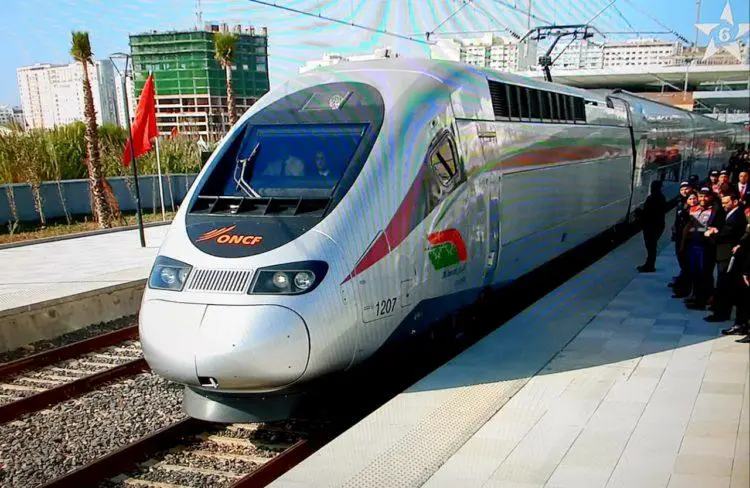
Over the past decade Africa has been rife with infrastructure developments that hitherto continue to steadily transform the continent, spurring the much-needed economic development. This is well aligned to aspiration 2 of Africa’s Agenda 2063, which advocates for ‘an integrated continent politically united based on the ideas of Pan Africanism and the vision of African Renaissance’ with the key priority area of developing world class infrastructure that crisscrosses Africa. Inadequate infrastructure in Sub-Saharan Africa has remained an existential hurdle to the continent’s achievement of robust economic growth. According to a report by Deloitte, this status quo has reduced national economic…
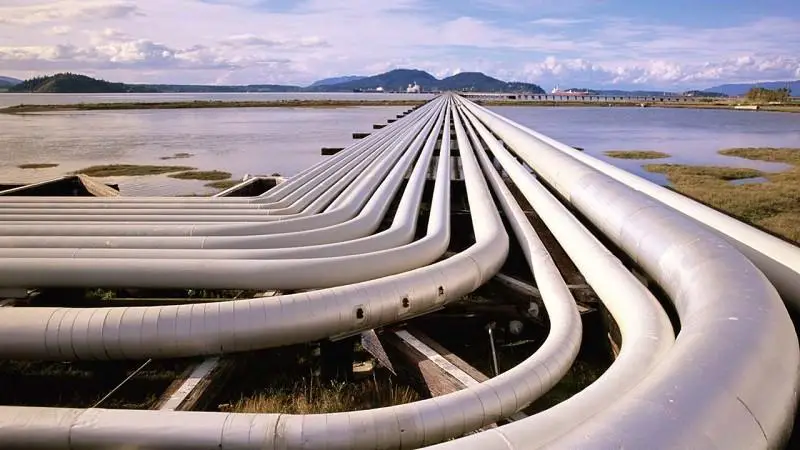
Africa has been hailed as the next frontier in the provision of global oil and natural gas resources, especially now in the wake of the ongoing Russia-Ukraine war. This crisis has not only altered the global energy landscape, but also instigated an inflation in gas prices, given the former’s position in the hierarchy of major global producers. As sanctions continue to soar, Europe has embarked on a quest to find contingency energy supplies, as it seeks to minimize its dependency on Russia; which has already cut off gas supplies to countries like Finland, Poland and Bulgaria, over energy payment disputes.…