Trending
- AI’s Dual Capacity and a Strategic Opportunity for African Peace and Security
- How African economies dealt with the 2025 debt maturity wall
- Africa’s Green Economy Summit 2026 readies pipeline of investment-ready green ventures
- East Africa banks on youth-led innovation to transform food systems sector
- The Washington Accords and Rwanda DRC Peace Deal
- Binance Junior, a crypto savings account targeting children and teens debuts in Africa
- African Union Agenda 2063 and the Conflicts Threatening “The Africa We Want”
- New HIV prevention drug is out — can ravaged African nations afford to miss it?


Project Management Institute’s recent Talent Gap report shows 2.3 million…

Vodafone Group developed a business tailor-made to deal with Africa’s…
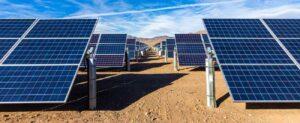
Nature is in crisis, warns the Natural Resources Defense Council (NRDC) and as such, it calls on world leaders meeting for the Convention on Biological Diversity (CBD) virtual summit (May-June), to pass the 30×30 plan, i.e. to turn 30% of the Earth into protected areas.
Led by Tanzania’s Elizabeth Maruma Mrema, who serves as the Executive Secretary for the UN Biodiversity Convention, the CBD is of the view that the more land is set aside, the more the planet can revive itself.
Ongoing degradation of oceans, lands, and freshwater systems is destroying the planet’s ability to support life. It is so far reported that already up to a million species worldwide face extinction.
The Kuwait Foundation for the Advancement of Sciences (KFAS) (www.KFAS.org) announced the appointment of Dr.…
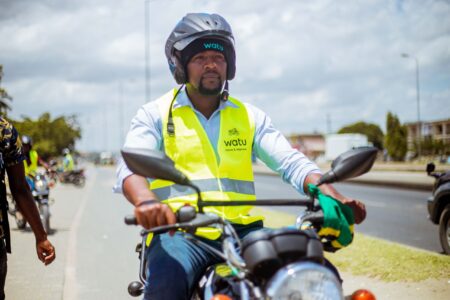
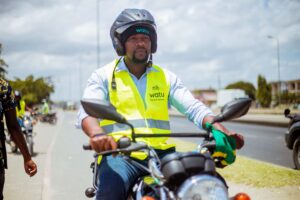
A survey conducted in 34 African countries between 2016 and 2018 shows that people are chiefly concerned about the future of work, be it job availability, quality, or growth. The gig economy is essential for the people of Africa because of its ability to provide a source of income to the inexperienced and unemployed majority. Formal jobs are only available to a few, while most people work in the informal sector as subsistence farmers, vendors, small-scale traders and numerous other roles.
Africa has a growing youth population that will need to be absorbed into the productive sector. An estimated 122 million new entrants are expected to join the labour market in the next two years, and it is impossible for an equal number of formal jobs to be created for these people.
So…..one of the longest bull markets in history; the Covid-19 pandemic; two trillion dollars invested in…
For the longest time, Africa took a back seat in the world economy. Albeit for various reasons, some beyond the continent’s control, Africa was not recognized as an active economic participant by developed countries. However, there has been a paradigm shift in the past few decades as Africa has begun to forge its destiny and implement policies that benefit its economic status in the world. Africa has been recognized as the world’s second-fastest-growing regional economy with anticipated annual growth of about 3.9% by 2022.
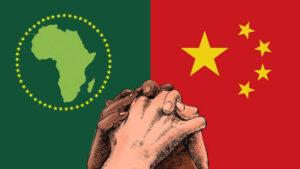
Until 2019 Africa and china had an eccentric lending experience. This includes the lending spree…