
Trending
- African governments drive new forest finance progress as global report warns funding globally must scale faster
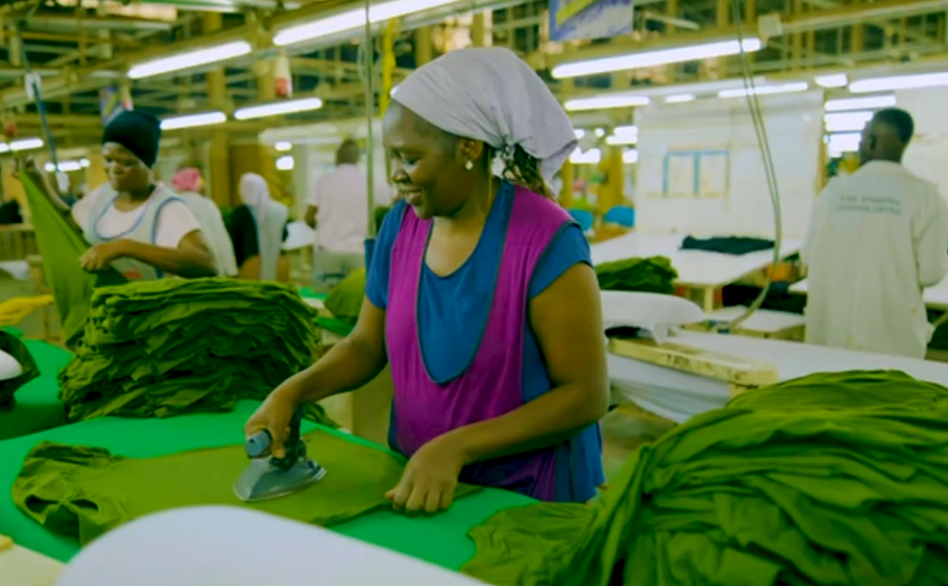
- Fine Spinners eyes Kenya’s Agoa-backed apparel supply chain with $5m plant
- Why young Kenyan investors need to stop treating the stock market like a betting slip
- Tanzania tax reforms mandate VAT refunds to under 30 days
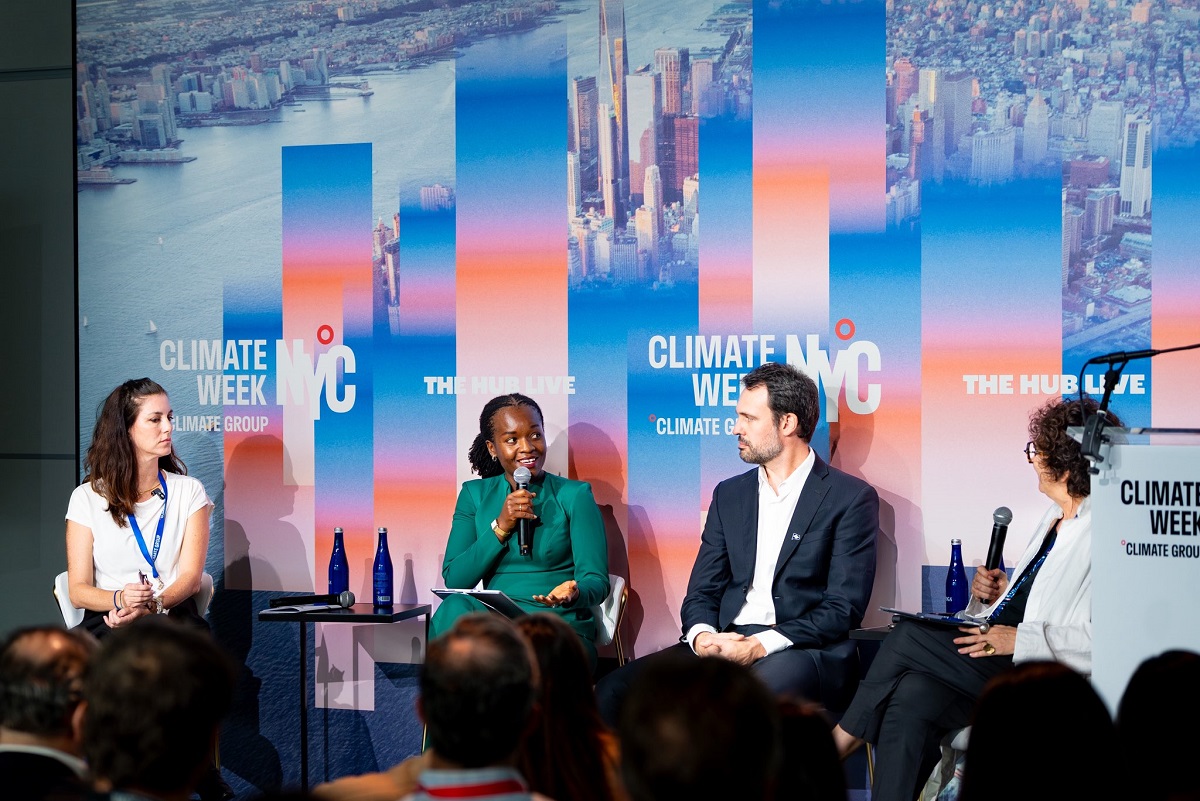
- In New York, world leaders unveil plan to overhaul global health architecture
- Minisend grows Kenya presence as official payment partner of Africa Blockchain Festival 2026
- UN resolution challenges world maps that make Africa look smaller
- Zimbabwe edges closer to arrears payment, debt restructuring and reset of ties with IMF


Browsing: AfDB
Reallocation of government financing is essential in unlocking infrastructure potential. It eliminates the crowding out of private-sector funding, as government investing in most commercially viable assets is crucial to those with lower returns (Mckinsey).
Tanzania is one of the nations that leverages its internal revenue to fund its projects, including iconic bridges in the nation’s commercial capital and several roads, buildings and facilities across the country.
Kenya is another excellent example of a solution offered by Mckinsey as the government prioritised investment in municipal infrastructure as part of a drive to provide 500,000 new affordable housing units in five years.
Ethiopia is moving similarly, whereby it has prioritised investment in industrial development zones to attract global apparel manufacturers.

In September last year, the government started making quarterly token payments of $100,000 to each of the 16 Paris Club creditors as it sought ways to extinguish the mounting debt.
As of the end of May, Zimbabwe had made $8 million in token payments to multilateral banks and $4.8 million to the Paris Club creditors.
The article added that Zimbabwe is already defaulting on active loans from China, which is affecting the disbursement of funds for ongoing projects, the debt management office said in the report.
South Sudan will receive $8.1million from the African Development Bank (AfDB) to address food The funds will support South Sudan’s…

The African Development Bank (AfDB)’s Board of Directors has approved the establishment of the African Pharmaceutical Technology Foundation, a new ground-breaking institution that will significantly enhance Africa’s access to the technologies that underpin the manufacture of medicines, vaccines, and other pharmaceutical products.
Africa has great potential for drug discovery. The continent has natural resources, indigenous knowledge, and human capacity
AfDB Group President, Dr. Akinwumi Adesina said: “This is a great development for Africa. Africa must have a health defence system, which must include three major areas: revamping Africa’s pharmaceutical industry, building Africa’s vaccine manufacturing capacity, and building Africa’s quality healthcare infrastructure.”
The World Trade Organization and the World Health Organization, respectively, also welcomed and lauded the AfDB’s decision to establish the African Pharmaceutical Technology Foundation.

Africans and African diaspora across the world commemorated Africa Day on May 25, 2022. The day truly serves to integrate…

The economies of African countries’ are dominated by agriculture and the continent’s growth relies heavily on the performance of the…
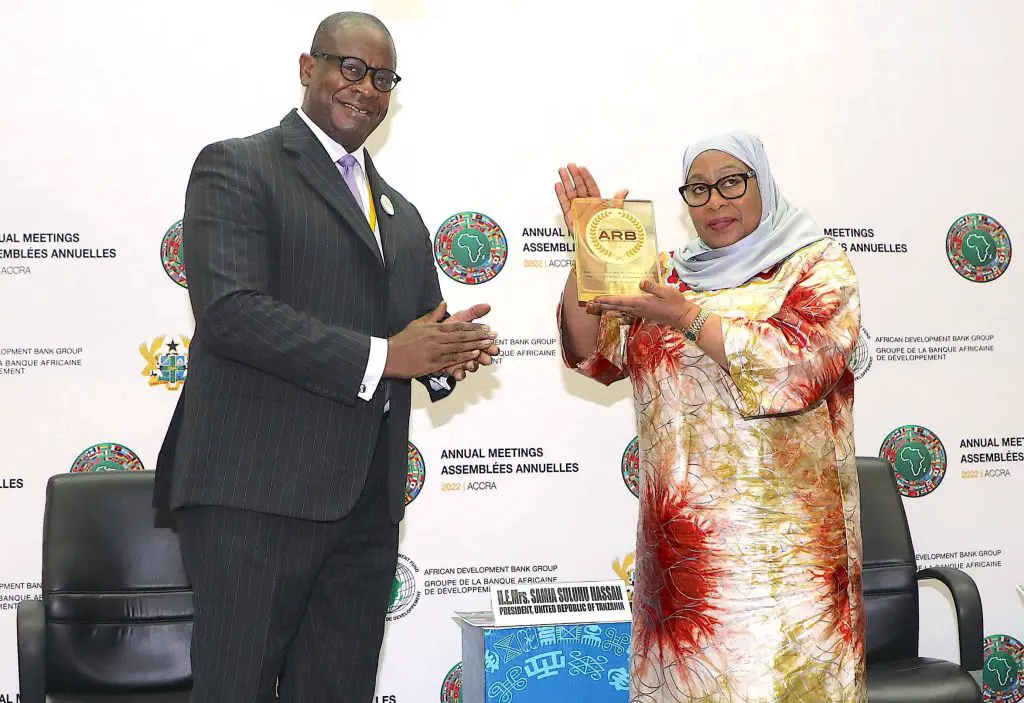
Last year, the Board of Directors of the African Development Fund (AfDB) approved another loan of around $116 million to Tanzania for the upgrade of a 160-km road corridor in the southern part of the country.
This enormous funding by the Bank actually served to cover 98.71% of the project cost; while the remaining 1.29% was met by the government of Tanzania. It is expected that the AfDB will continue funding Tanzania’s road works and other transport infrastructure especially given the country’s strategic geographical location.
Tanzania is the gateway into Africa’s interior and it is also the way out to the rest of the world via the Indian Ocean.
In Tanzania, it is the Tanzania National Roads Agency (TANROADS) is responsible for the improvement of road maintenance and development. The Agency is responsible for the management of 35,000 Km of roads made up of 12,786 Km of trunk roads and 22,214 Km of regional roads.
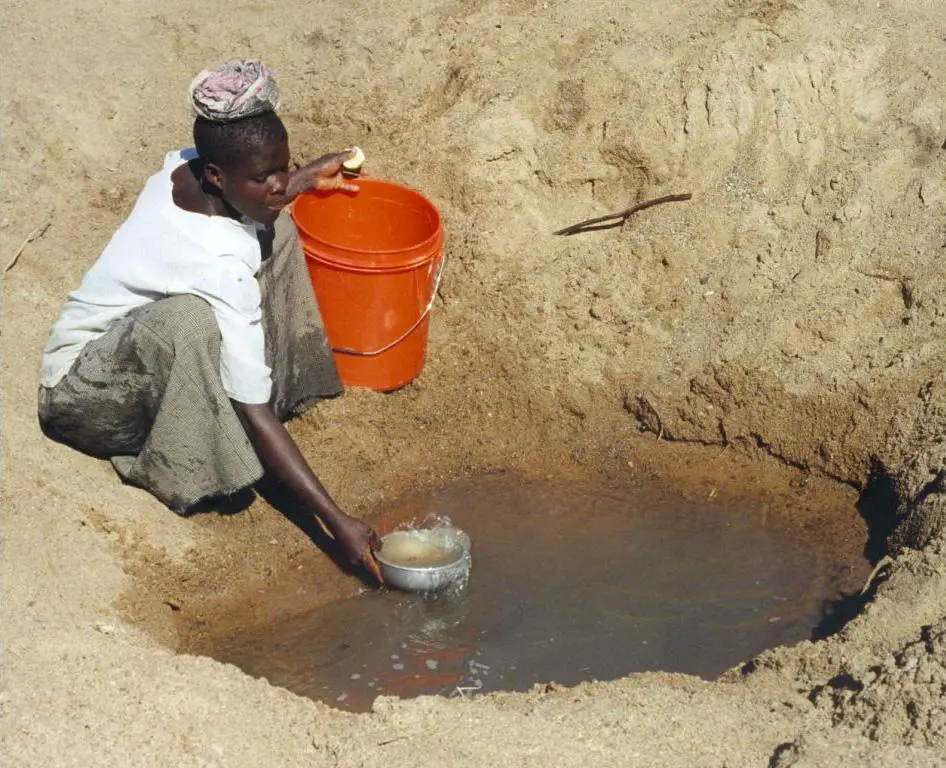
In the wake of the ongoing devastating drought that continues to ravage the Horn of Africa at an alarming rate,…
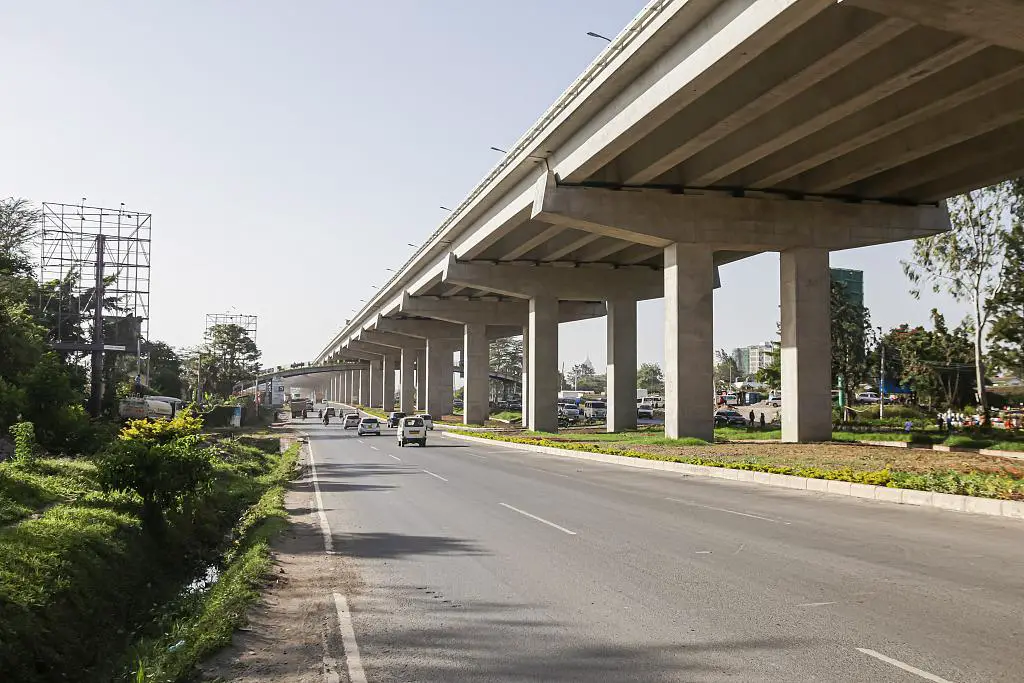
Most African countries lag behind the rest of the world in the coverage of key infrastructure classes including energy, road and rail transportation, together with water infrastructure. Development of Africa’s infrastructure has been met by colossal roadblocks, which have largely stemmed from the endemic systemic corruption that continues to ail the continent, making it one of the biggest hurdles to development. Consequently, this has made attracting foreign investment a nightmare.
This further affirms the description by McKinsey and Company that the continent faces an infrastructure paradox whereby Africa’s track record in moving projects to financial close is poor. Despite the high demand for projects, sufficient supply of capital and investors, coupled with voluminous potential projects there is insufficient investment in infrastructure projects within the region.
Presently, more than two-thirds of the global population without access to electricity is in Sub-Saharan Africa, which is an equivalence of 600 million people. For instance, in Mali, the average person uses less electricity in a year overall, than a Londoner uses to just power their tea kettle. In addition, with the population bulge, forecasts reveal that Africa’s demand for electricity will quadruple between 2010 and 2040.

Rwanda will receive two loans amounting to $180 million from the African Development Bank The funds will support a major…