




- Family Bank marks largest private-sector listing on the Nairobi Securities Exchange (NSE) in more than 17 years.
- On Tuesday, the lender debuted trading with a market capitalisation of nearly KSh30 billion or $231.7 million.
- NSE hopes listing will trigger a new wave of private companies entering public markets.
Family Bank on Tuesday became the largest private-sector company to list on the Nairobi Securities Exchange (NSE) in more than 17 years, in a landmark transaction that market participants hope will reignite corporate listings and deepen Kenya’s capital markets.
The lender listed approximately 1.66 billion ordinary shares on the NSE’s Main Investment Market Segment at an introductory price of KSh18 per share, implying a market capitalisation of KSh29.9 billion (about $231.7 million).
The debut, effected through a listing by introduction rather than a capital raise, allows existing shareholders to trade their shares publicly while broadening investor participation and subjecting the bank to the enhanced disclosure and governance standards associated with public markets.
The transaction marks a significant milestone not only for Family Bank but also for the NSE, which has grappled for years with a thin pipeline of new listings despite repeated calls from investors for greater market depth and more private-sector participation.
“This listing is not merely the admission of a new security to the trading board of the NSE,” NSE Chairman Kiprono Kittony said during the bank’s bell-ringing ceremony in Nairobi. “It is a statement that Kenyan institutions can be built from modest beginnings into nationally significant enterprises.”
Family Bank: An indigenous banking franchise
Founded as a building society serving ordinary Kenyans, Family Bank has grown into one of the country’s leading indigenous banking franchises, serving more than 1.3 million customers through a network of 96 branches across 32 counties.
Its evolution mirrors the broader transformation of Kenya’s financial services sector, which has undergone rapid technological, regulatory and competitive changes over the past two decades.
For the NSE, the listing represents a rare victory in efforts to attract high-quality private-sector issuers to public markets at a time when many companies across Africa have preferred private capital or delayed listing plans amid uncertain economic conditions.
Family Bank listing firms up Kenya’s market architecture
Kittony described the transaction as a major endorsement of the exchange’s role in mobilising capital and facilitating investment. “The admission of Family Bank represents much more than a corporate transaction,” he said. “It represents the continued strengthening of Kenya’s market architecture and reinforces the position of the NSE as the premier platform for capital formation in East Africa.”
The listing comes amid renewed optimism in Kenya’s capital markets, where improving corporate earnings, stronger investor sentiment and favourable macroeconomic conditions have fueled a recovery in valuations and trading activity.
According to Kittony, the resurgence reflects strategic reforms undertaken by the exchange as part of its 2025-2029 growth strategy, which seeks to broaden participation and enhance market accessibility.
“This listing also arrives at a particularly exciting moment for Kenya’s capital markets,” he said, pointing to rising liquidity, improving valuations and renewed participation from both domestic and foreign investors.
Family Bank’s move to public markets follows a period of strengthening capital buffers. In 2025, the lender conducted a private placement that raised KSh8 billion, surpassing its target of KSh6.09 billion and underscoring investor confidence in the institution’s growth trajectory.
The bank therefore enters the exchange from a position of financial strength and is not seeking additional capital through the listing.
Instead, Family Bank executives have framed the transaction as part of a broader strategy aimed at enhancing transparency, strengthening governance and creating long-term value for shareholders. The public debut also offers existing investors a mechanism for liquidity and price discovery, while opening ownership opportunities to a wider pool of institutional and retail investors.
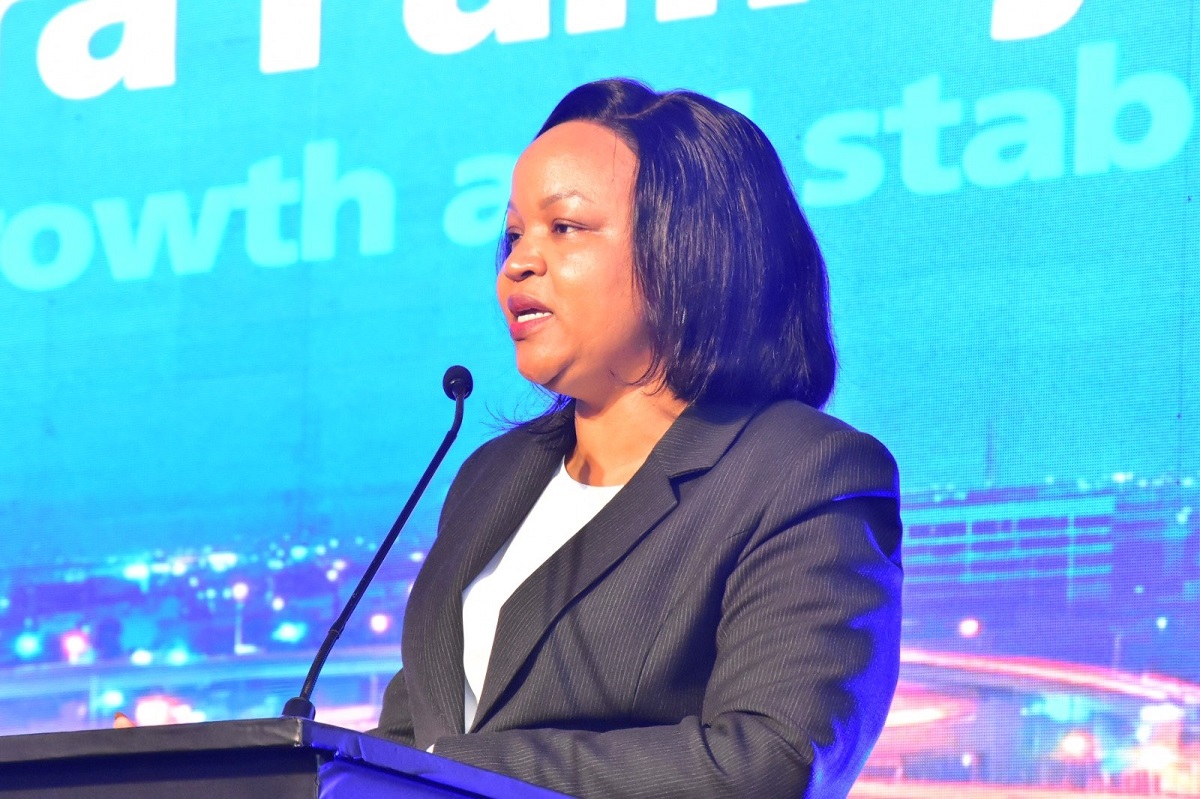
“For over four decades, we have remained committed to empowering individuals, businesses and communities through accessible financial services. Joining the Nairobi Securities Exchange today marks the beginning of a new chapter defined by enhanced transparency, stronger governance and greater opportunities for value creation for all our stakeholders,” said Family Bank Chief Executive Officer Nancy Njau.
Read also: Why MetaTrader 4 still matters in today’s trading landscape
Growing confidence on institution
Family Bank Board Chairman Lazarus Muema described the listing as a defining moment and a reflection of the confidence that shareholders, customers, employees, regulators and the broader market have placed in the institution over the years.
“We have always supported listing as it enhances the Bank’s profile, strengthens corporate governance, and provides greater liquidity for our shareholders. Over the last five years, we have closely monitored the price-to-book multiples of listed banks to determine the optimal timing. We are therefore pleased to have reached this milestone and are confident that this will create long-term value for our shareholders,” said Mr. Muema
Kittony argued that the significance extends beyond Family Bank itself. He explained that the transaction demonstrates that capital markets can serve as strategic growth partners for privately owned enterprises rather than merely a source of last-resort financing.
“It is our hope this listing serves as a catalyst,” he said, adding: “A catalyst that inspires family-owned businesses, privately held corporations, emerging champions and regional enterprises to view the capital markets not as a destination of last resort, but as a strategic partner in growth.”
That message is likely to resonate with policymakers and regulators who have long sought to increase the number of listed companies on the NSE, whose market breadth has lagged behind some of its regional and international peers.
Nairobi bourse has seen several delistings and relatively few major new entrants over the past decade, making Family Bank’s arrival particularly symbolic.
Read also: Banking Stocks NSE 2025: Why Financial Shares Did Better than the Market
Listing offers strategy for private firms on capital-raising
Market observers say the success of the transaction could influence how other privately held Kenyan companies assess their capital-raising and succession strategies, especially as businesses seek greater visibility, governance credibility and access to long-term investment capital.
The listing also comes at a time when investors are increasingly searching for new opportunities beyond the traditional blue-chip counters that have historically dominated trading activity on the exchange.
Family Bank’s KSh29.9 billion valuation immediately positions it among the notable banking counters on the bourse and provides investors with another avenue to gain exposure to Kenya’s growing financial services sector.
For Family Bank, the public listing marks the culmination of a decades-long journey from a modest building society into a nationally recognised financial institution. For the NSE, it offers something equally valuable: evidence that Kenya’s public markets remain capable of attracting sizeable private enterprises.
“Kenya’s largest banks are homegrown and today is a celebration of one. This morning, we have witnessed close to KSh 40 billion in wealth created within minutes of trading, a remarkable testament to what Kenyan enterprises are capable of. We have moved beyond the conversation of small banks and as the Central Bank, our commitment remains to support and safeguard the growth of banks,” said the Chief Guest CBK Chairman Andrew Musangi.
Read also: The Best Dividend-Paying Shares on the Nairobi Securities Exchange (NSE) for Q2 2026