



- Ahead of Nedbank takeover, NAirobi-based NCBA Group has reported 40% YoY surge in profitability from non-banking subsidiaries, including, investment banking, leasing, bancassurance and insurance, which collectively delivered $8.5 million (KSh1.1 billion) in profit.
Nairobi-headquartered NCBA Group’s half-year results, released on Wednesday, reveal a lender that has not only weathered regional economic turbulence but is actively reshaping its earnings base ahead of a transformative change in ownership.
Profit after tax rose by 12.2 per cent to Sh12.4 billion (approximately $96 million) for the six months ended June 2026, with operating income climbing 15.1 per cent to Sh40.7 billion. But beyond the headline figures, the story of NCBA’s half-year performance lies in the diversification that is slowly redefining what this 60-million-customer franchise represents across East Africa and beyond.
NCBA non-banking engine
Perhaps the most striking number in the results package is the 40 per cent year-on-year surge in profitability from NCBA’s non-banking subsidiaries, that is, investment banking, leasing, bancassurance and insurance, which collectively delivered Sh1.1 billion in profit.
This performance, from a relatively modest base, signals that the group’s “ecosystem” approach is gaining traction, embedding financial services deeper into the lives of its customers.
“The non-banking subsidiaries continued their strong performance momentum reinforcing the value of NCBA’s diversified business model,” the group said in its results statement. This diversification is particularly strategic as traditional interest income faces compression across the region’s increasingly competitive banking landscape.
The Group’s wealth management business, housed within the investment banking subsidiary NCBA Investment Bank, has grown Assets Under Management (AUM) to Sh101 billion, surpassing 60,000 active wealth clients.
This is a milestone for a regional lender that has historically been associated with corporate and asset finance rather than retail wealth management. The growth has been driven by the expansion of unit trust offerings across the region, with the Money Market Fund (KES) alone commanding Sh2.16 billion in assets as at June 2026, up from Sh2.11 billion at the end of 2025.
However, the wealth management division also reflected the complexities of the current market environment. The KES Basket Fund, which was wound up in June and replaced with a newly established Money Market Fund, saw its assets shrink from Sh2.65 billion at the end of 2025 to nil by mid-2026.
The global equity and global fixed income funds, denominated in dollars, also experienced volatility, underscoring the challenges of managing cross-border portfolios in a period of currency fluctuation and global uncertainty.
Regional subsidiaries find their stride
NCBA’s regional operations in Uganda, Tanzania and Rwanda delivered a combined Sh1.6 billion in profitability, driven by lending growth of 25 per cent year-on-year and income momentum of 11 per cent. While these figures remain modest compared to the Kenyan banking subsidiary’s Sh13.7 billion profit, the growth trajectory suggests that the group’s regional expansion strategy is beginning to bear fruit.
Group’s asset finance leadership across the region is a particular bright spot. NCBA claims a 30 per cent asset finance market share in Kenya, with strategic partnerships accelerating electric vehicle adoption and solar leasing uptake.
Its digital marketplace CarDuka sold vehicles worth Sh1.94 billion, while the KOMIUT digital transport platform processed over Sh117 million in collections. These digital initiatives, while still niche, represent the kind of innovation that has attracted Nedbank’s interest.
The UBUNTU strategy
The group’s investment in technology infrastructure, about Sh2.4 billion in the first half alone, is beginning to show operational returns. System uptime reached 99.68 per cent, while the Digital Net Promoter Score rose to 69 per cent, indicating improving customer satisfaction. Mobile banking now accounts for 94 per cent of transaction volumes, and the group is acquiring more than 10,000 new core bank customers per month across its 123-branch network.
The SME loan book grew 12 per cent year-on-year to Sh44.7 billion, while the retail loan book expanded by an impressive 54 per cent. These figures suggest that NCBA is successfully cross-selling to its vast customer base, 60 million customers across five countries, making it the largest banking group in Africa by customer numbers, a claim that includes the mobile money users who interact with the bank’s digital platforms.
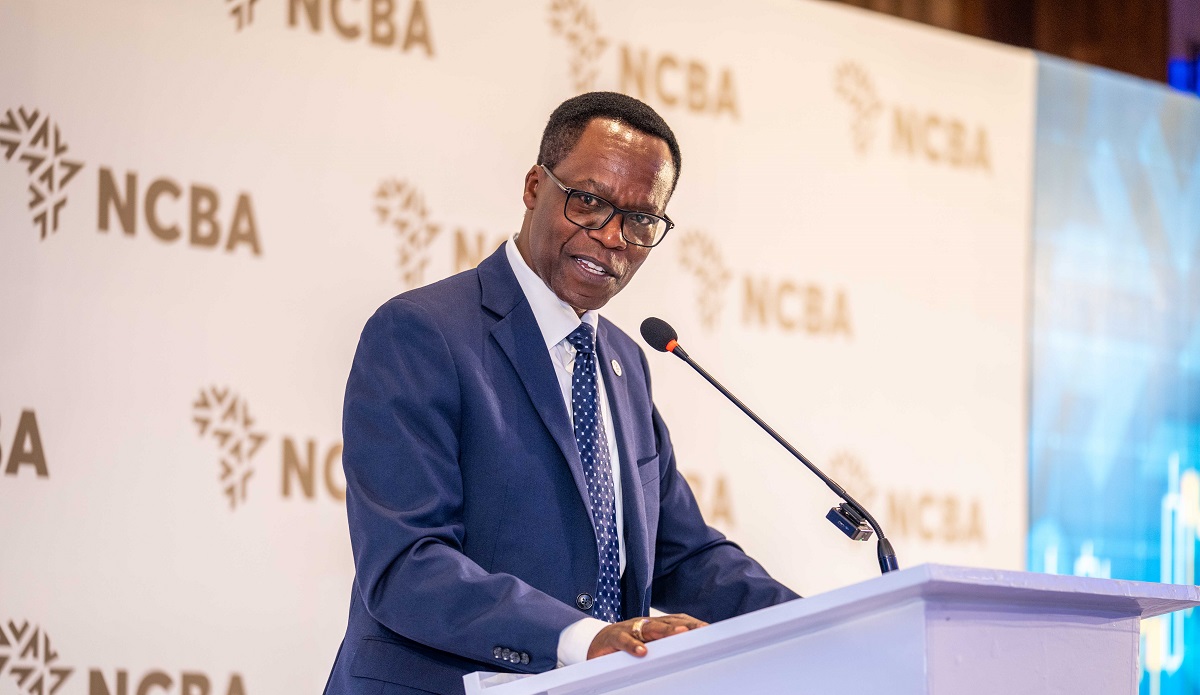
“Our focused execution of the UBUNTU strategy has ensured that we delivered a resilient total income growth of 15.1 per cent reflecting healthy business volumes, improved margins and continued customer activity,” Managing Director John Gachora said.
Read also: The Best Dividend-Paying Shares on the Nairobi Securities Exchange (NSE) for Q2 2026
Loan loss provision
NCBA increased provisions for credit losses to Sh5.2 billion, up from Sh3.2 billion a year earlier, reflecting a 62.5 per cent jump that points to deteriorating credit environment across the region. While the group’s non-performing loan ratio of 10.5 per cent compares favourably to the Kenyan market average of 15.3 per cent, the increase in provisions signals that management is bracing for further stress.
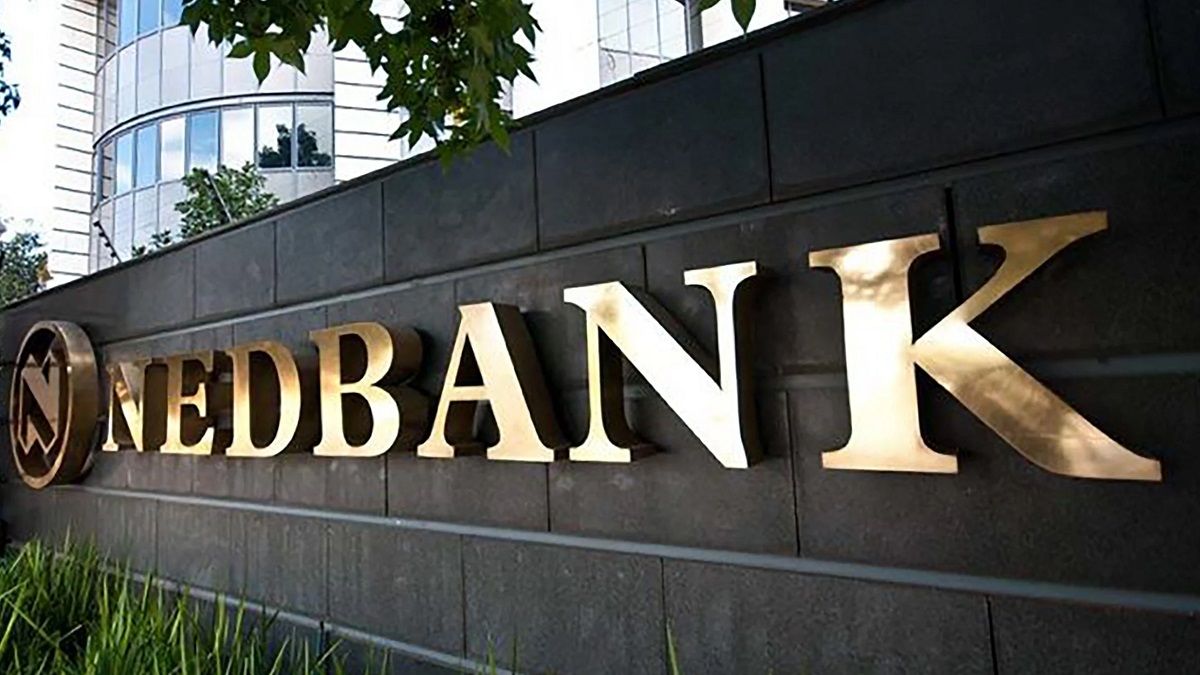
This prudence is likely to be welcomed by Nedbank, which is in the final stages of acquiring approximately 66 per cent of NCBA. The South African group’s offer, which closed on July 10 with strong shareholder support of 121 per cent oversubscription, values the Kenyan lender at approximately R13.9 billion. The transaction remains subject to remaining conditions and regulatory approvals, but management has indicated that completion is progressing as planned.
Nedbank acquisition of NCBA
The Nedbank transaction represents a significant shift for NCBA, which has been a dominant player in the Kenyan market under the stewardship of John Gachora, who has led the group for over a decade. The acquisition brings together South Africa’s fourth-largest banking group with a lender that has built a formidable digital banking and asset finance franchise across East Africa.
For Nedbank, NCBA offers a strategic foothold in a region where GDP growth is projected above 5 per cent, with Kenya’s private sector credit growth forecast at 9.3 per cent for 2026. The Kenyan lender’s Loop fintech platform, which powers much of its digital lending and payments capability, is seen as a scalable asset that could be deployed in other markets.
For NCBA’s customers and employees, the transition is expected to be seamless, with management expressing confidence in the group’s ability to “unlock new growth opportunities which will generate enduring value for customers, shareholders, and the communities we serve.”
Read also: Nedbank’s $855M bid targets NCBA as South African giant eyes East Africa expansion
Sustainability
NCBA has been building its sustainability credentials and regional brand. The group’s Change The Story sustainability agenda includes green financing, with the oversubscribed Sh3 billion KMRC bond and regional electric vehicle financing. Over 340,000 trees have been nurtured and planted, and more than 400,000 livelihoods impacted through community engagements including golf and cycling activations.
Brand health has grown to 7.1 per cent demand power and 49 per cent consideration in Kenya, the highest level among Kenyan banks, according to management. This brand strength, combined with the group’s Top Employer certification and 91 per cent staff retention rate, suggests that NCBA is building the kind of organisational resilience that will serve it well under new ownership.
Looking ahead, Gachora acknowledged global uncertainty and softer growth projections of 3.1 per cent for 2026, but struck an optimistic note on the regional outlook. “The investor landscape remains vibrant with major regional expansion transaction deals expected to close in the second half of the year,” he said.