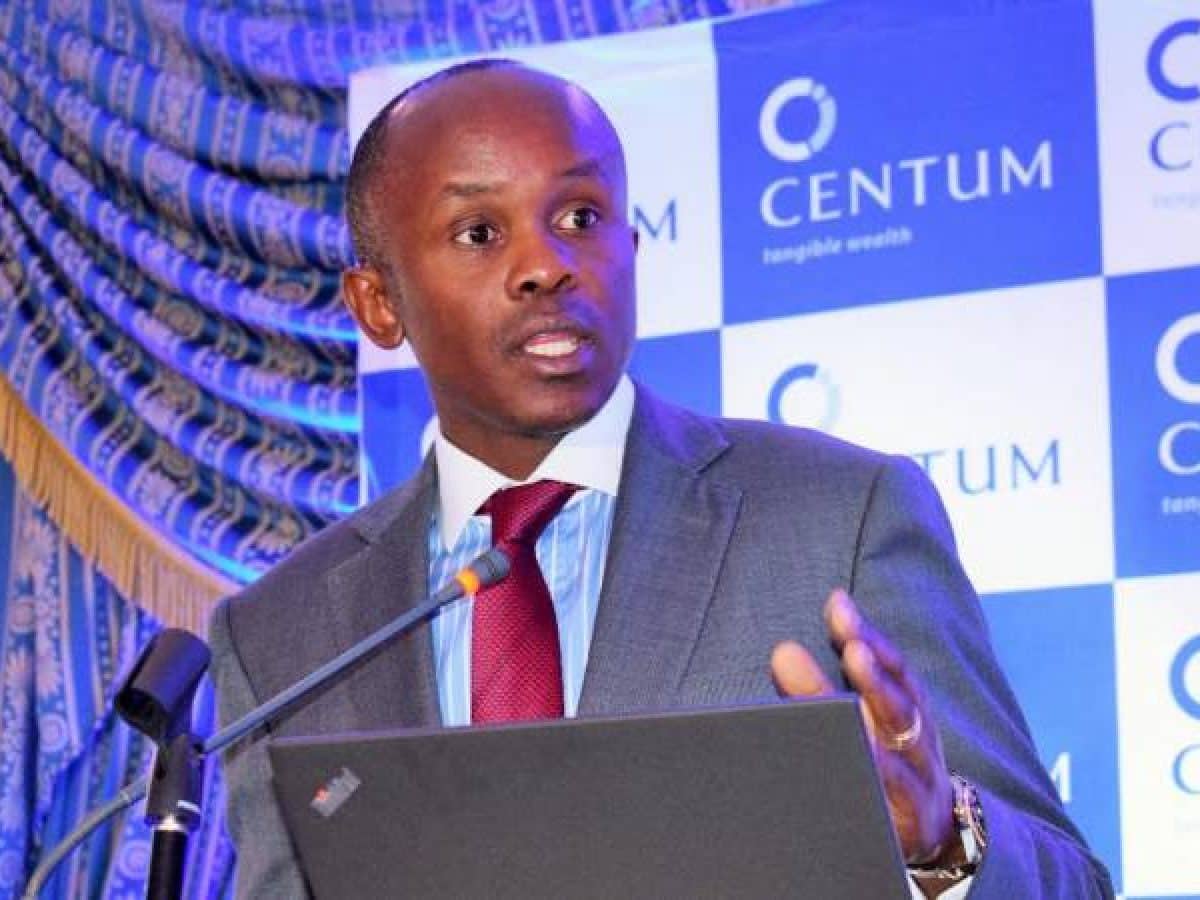



- Nairobi’s new infrastructure fund aims to break the cycle of debt-financed development. But its success hinges on difficult questions of governance and execution. Will outgoing Centum Investment Company CEO Dr James Mworia succeed?
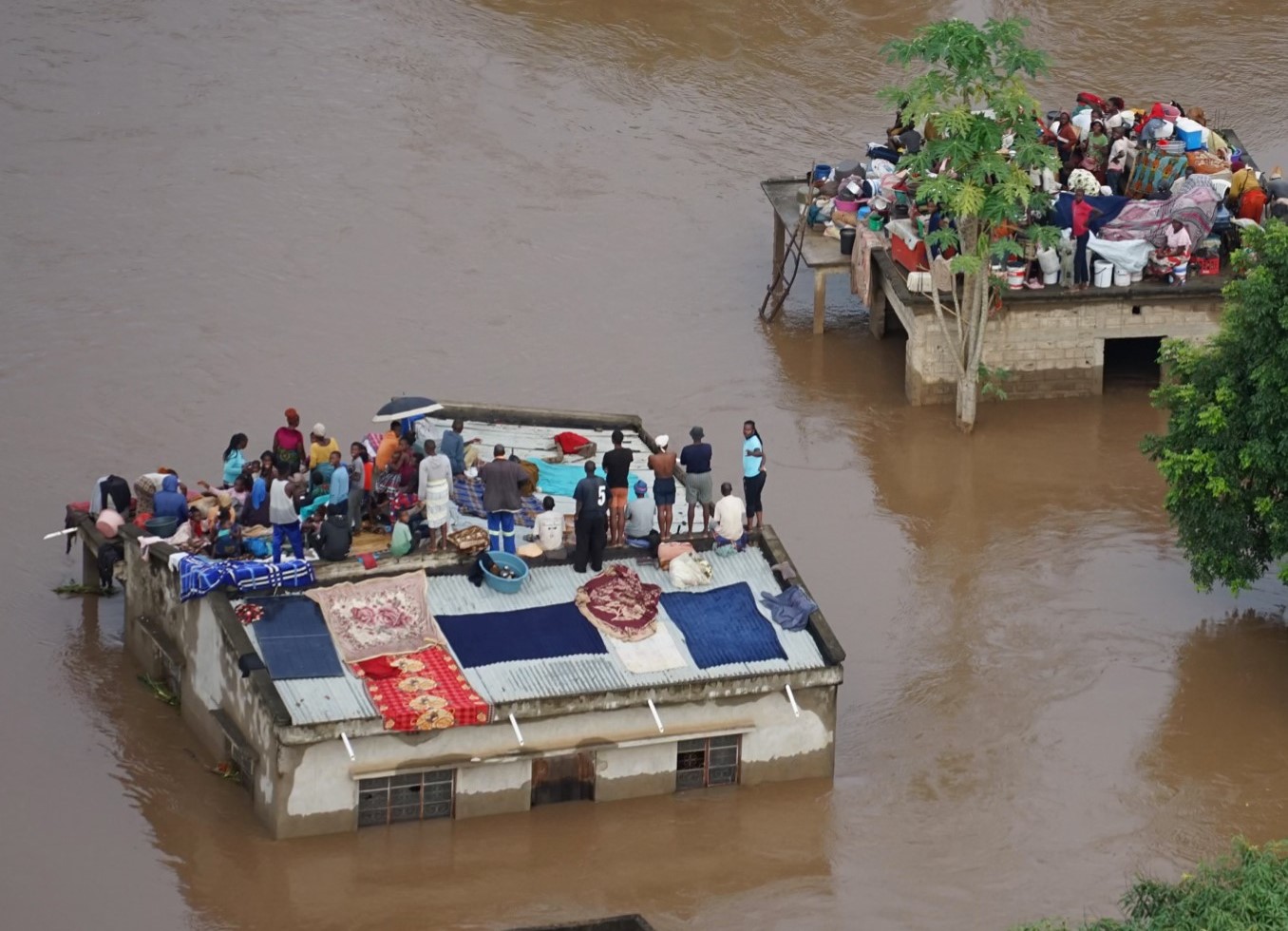
For decades, Kenya has financed its infrastructure projects the hard way: by borrowing. The result is a familiar litany of woe across emerging markets, mounting debt service costs crowding out spending on health and education, a vulnerable shilling and a stock of projects that often deliver less than what was promised.
Now, President William Ruto’s government is attempting something different. On September 7th, Centum Investment Company announced that its long-serving CEO Dr James Mworia has been tapped to become the founding chief executive of Kenya’s National Infrastructure Fund (NIF), a state-backed vehicle designed to mobilise up to KSh5 trillion (approximately $38.6 billion) over the next decade for infrastructure, largely from private sources.
“After nearly 18 years of transformational stewardship, Dr. James Mworia will step down as Group CEO & Managing Director to take on a new role as the founding CEO of the National Infrastructure Fund (NIF),” Centum Investment stated on X.
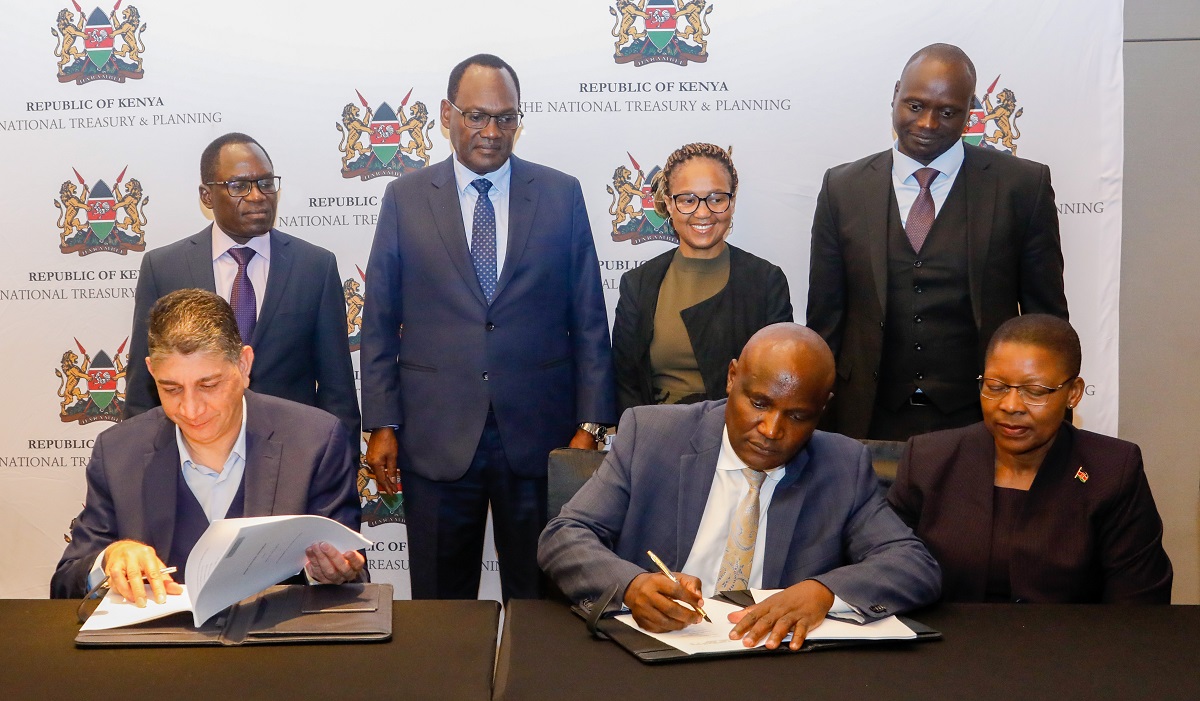
His appointment is the most tangible sign yet that a fund established by an Act of Parliament in March 2026 is moving from the statute books to operational reality.
Kenya’s National Infrastructure Fund: A different model?
The NIF’s architecture is built on a principle that has long been more common in theory than in practice: asset recycling. The government has seeded the fund with proceeds from divestments, KSh244 billion from the partial sale of its Safaricom PLC stake and KSh 106 billion from the listing of Kenya Pipeline Company, and will seek to leverage this public capital to attract private investment at scale.
The target is to raise KSh10 from private partners for every KSh1 of government money committed. This is not charity; projects must be commercially viable, generate a return and ultimately be capable of standing on their own feet.
Officials have stressed that the NIF is not a slush fund for politically convenient schemes. John Mbadi, the Treasury Cabinet Secretary, has told lawmakers that “politically attractive” projects with weak financial returns will not qualify.
At least 60 per cent of a project’s capital structure is expected to come from debt, creating an additional commercial test, as lenders will only provide non-recourse financing to projects capable of generating adequate returns.
The fund’s investment policy must also be approved by parliament and a Governing Council, chaired by the Finance minister and including the Governor of the Central Bank and the Attorney-General, will provide oversight.
Kenya’s initial pipeline of projects looks pretty ambitious. The expansion of Jomo Kenyatta International Airport (JKIA) is slated to be the first major beneficiary, with a large-scale upgrade already under way. Other potential projects include the extension of the standard-gauge railway from Naivasha to Malaba at the Kenya-Uganda border, the construction of 50 large dams and the development of a commercial spaceport in Malindi.
Additionally, the government has also unveiled nearly 50 public-private partnership projects across roads, ports and energy to complement the fund’s work.
Read also: Kenya fights African peers to keep venture capital crown as Italy readies $59m fund
James Mworia: The man in the hot seat
Dr Mworia’s appointment is a bet that the skills honed in the private sector can be transplanted to the public realm. His track record at Centum, where he grew assets from KSh4 billion to around KSh46 billion over 18 years, was cited by the NIF board as directly relevant to the fund’s mandate.
His experience in building investment institutions, mobilising capital and bringing assets to market is central to the fund’s objective of eventually recycling capital from mature projects into new ones.
Governance risks persist
Yet for all its carefully designed architecture, the NIF carries familiar risks. The most obvious is political. The fund is independent, yet its governance structure places the Treasury Cabinet Secretary and other presidential appointees at its apex.
The High Court has already imposed mandatory quarterly reporting requirements on the Treasury regarding the fund’s activities, following a petition by Katiba Institute challenging aspects of the legislation. Critics have also questioned whether the fund is truly insulated from executive influence, and whether the projects it finances will genuinely pass the commercial tests officials have promised.
There are also mounting questions about scale. The government’s target of mobilising KSh5 trillion in a decade is audacious for an economy of Kenya’s size. Domestic capital markets are deep by regional standards, but still relatively shallow.
The plan to raise KSh1.2 trillion from pension funds, insurers and other domestic institutional investors assumes an appetite for long-term infrastructure risk that may not yet exist. Some analysts have suggested the projections are optimistic, and that the fund may struggle to attract the volume of private capital it envisions.
A further concern is whether the NIF can truly break with the past. Kenya has a long history of megaprojects that were sold on the basis of commercial viability but ultimately required state bailouts. The standard-gauge railway, financed largely with debt from China, is a cautionary tale.
NIF’s proponents argue that its structure, with projects housed in separate special-purpose vehicles and debt structured as non-recourse to the fund itself, will insulate it from such outcomes. But the distinction between a project failure and a fund failure may prove blurry in practice.
Read also: EIB Group and IFC’s Biovac plant funding speeds up Africa’s race toward vaccine self-reliance
A fork in the road
The NIF represents an important experiment in infrastructure financing, not just for Kenya, but for the region. If it succeeds, it could offer a model for other countries struggling to reconcile development ambitions with fiscal constraints. If it fails, the cost will be measured not just in wasted capital, but in lost trust in the government’s ability to manage the public purse.
For Dr Mworia, the task is to bridge the gap between promise and performance. The fund’s enabling legislation was passed with cross-party support and hailed by the Majority Leader as the most consequential piece of legislation since Kenya’s Sessional Paper number 10 of 1965. That is a weighty legacy to live up to.