

- Absa Bank Kenya’s earnings decline mark the first half-year profit dip since the Pan-African lender’s peak in 2025, reflecting the persistent pressure of the Central Bank of Kenya’s rate-cutting cycle on asset yields.
- The bank reported total revenue of KSh29.3 billion for the half-year, supported by balance sheet growth and disciplined cost-of-funds management. Net interest income stood at KSh21.1 billion, while non-interest income totalled KSh8.2 billion.
Absa Bank Kenya has reported a 10 per cent decline in half-year profit after tax to KSh10.5 billion for the period ended June 30, 2026, as the lender grappled with the impact of lower interest rates on lending income.
The results, announced on Tuesday, mark the first half-year profit decline since the bank’s earnings peak in 2025, reflecting the persistent pressure of the Central Bank of Kenya’s rate-cutting cycle on asset yields.
Profit before tax stood at KSh10.5 billion for the six-month period, a drop from KSh11.7 billion recorded in the same period last year. However, the bank delivered a second-quarter recovery, with performance accelerating after the first quarter’s sharp slowdown.
In the three months ended March, Absa Kenya’s profit after tax fell 13.9 per cent to KSh5.31 billion, marking its first quarterly profit decline since 2017. The second-quarter rebound demonstrates the lender’s ability to regain momentum as the operating environment stabilised.
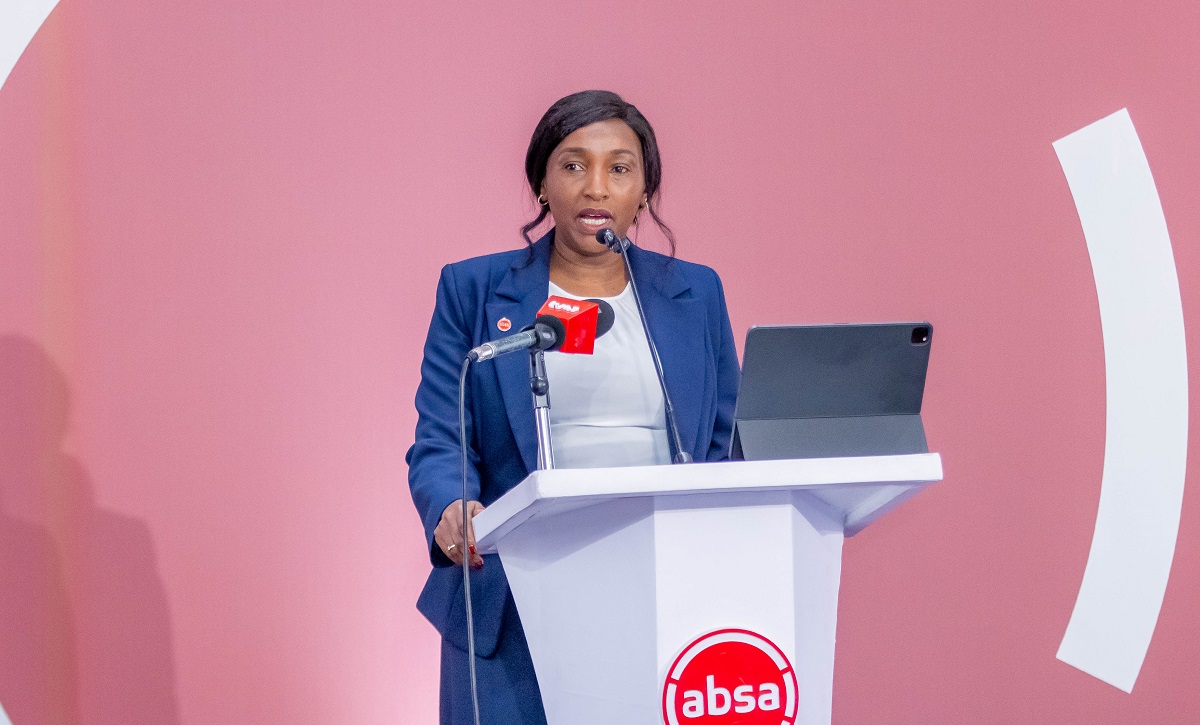
“We recorded strong momentum in the second quarter, reflecting our disciplined execution and continued support for customers through relevant financial and non-financial solutions,” said Yusuf Omari, who was appointed interim managing director and chief executive in July following the resignation of Abdi Mohamed.
Absa Bank Kenya H1 revenue
The bank reported total revenue of KSh29.3 billion for the half-year, supported by balance sheet growth and disciplined cost-of-funds management. Net interest income stood at KSh21.1 billion, while non-interest income totalled KSh8.2 billion.
Customer assets grew by 8 per cent to KSh329.9 billion as Absa expanded financing to critical sectors of the economy. Customer deposits rose 5 per cent to KSh380.7 billion, reflecting growing customer confidence and expanded financial access. Total assets increased to KSh558.1 billion.
The bank’s return on equity remained among the industry’s highest at 21.7 per cent, underscoring its earnings efficiency relative to peers. Capital adequacy stood at 19.4 per cent, well above the statutory minimum of 14.5 per cent, while liquidity reserves were at 42.7 per cent.
Subsidiary income, including asset management, custody services and bancassurance, grew 20 per cent year-on-year, reflecting the bank’s progress in diversifying revenue streams beyond traditional lending.
“While the dynamic operating environment exerted pressure on performance, the bank recorded strong momentum in the second quarter,” Mr Omari added.
The board approved an interim dividend of KSh0.50 per ordinary share, a 150 per cent increase from the KSh0.20 interim dividend paid last year, rewarding shareholders despite lower headline earnings.
Read also: M-Pesa Africa CEO Sitoyo Lopokoiyit to steer Absa Group personal banking unit
Absa Bank Kenya New-Look Business Model
The bank has been repositioning its business model to counter the impact of lower rates. It launched a developer-led home financing solution featuring a market-leading interest rate of 8.9 per cent annually and introduced the KSh1 billion Zinduka Graduate Enterprise Programme to support youth entrepreneurship.
Absa also committed KSh100 billion over three years to asset financing across sectors including manufacturing, healthcare, infrastructure, and logistics.
The sponsorship of major sporting events including the Absa Kip Keino Classic and Magical Kenya Open, alongside the foundation’s Circularising Programme targeting over 2,000 businesses in the circular economy, reflects the bank’s broader community engagement strategy.
Absa Bank Kenya is listed on the Nairobi Securities Exchange and maintains 91 branches, 208 ATMs and more than 8,000 agency outlets across 38 counties.