


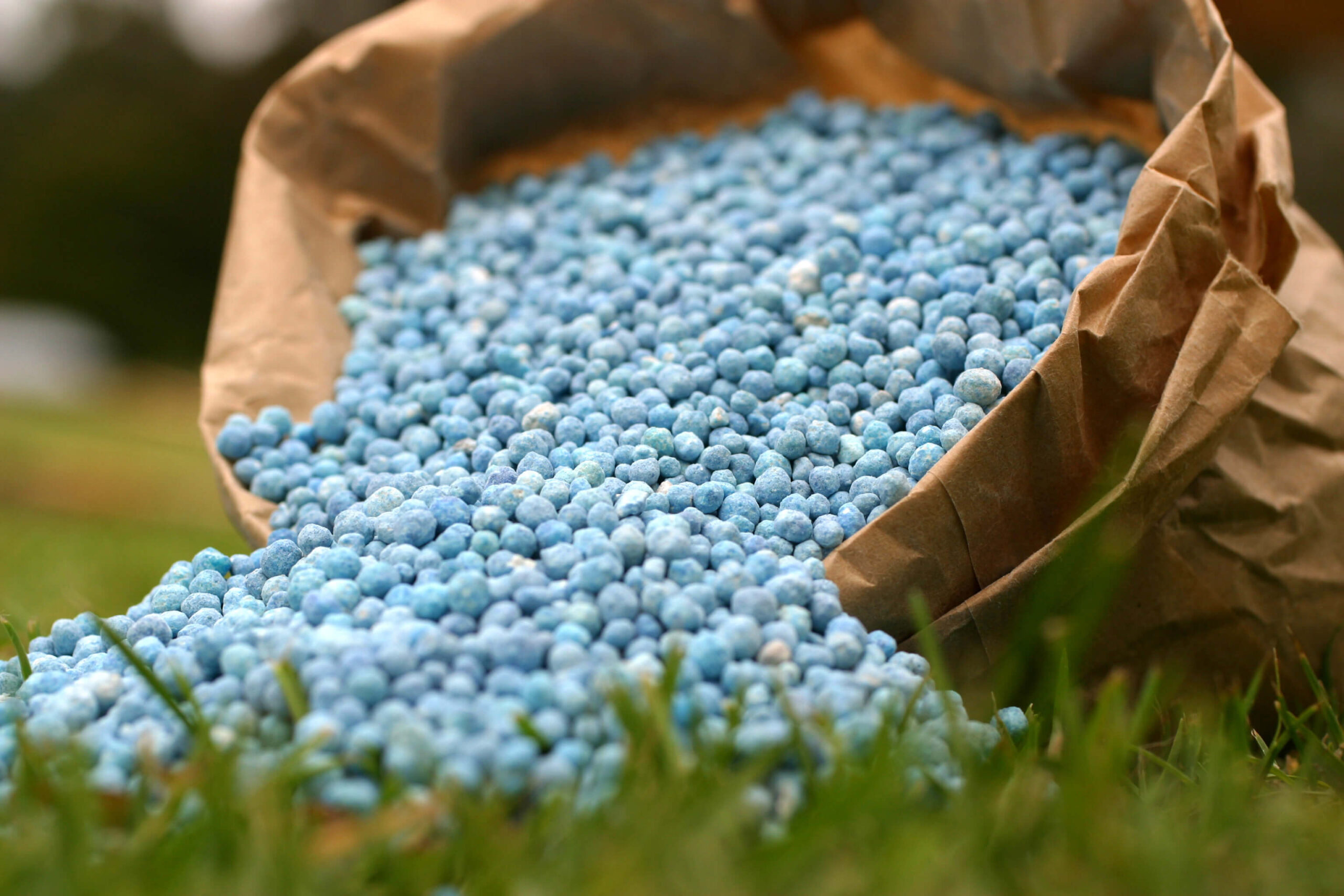
- An easing of the Gulf crisis is the moment to move Africa’s fertiliser security agenda from emergency response to structural transformation: an affordable, climate-smart, regionally integrated and sovereign ecosystem. The hardest time to build resilience is in shock.
When cargo traffic slowed through the Strait of Hormuz this year, the cost of feeding continents moved with it. The corridor carries roughly a third of the world’s urea and nitrogen-based fertilisers. Within a week, urea prices in the Middle East climbed 19 per cent.
Across Africa, where food already absorbs about half of household spending, the arithmetic was brutal: urea prices doubled from USD 400 to USD 850 per tonne, triggering a sharp rise in food prices. The resumption of fertiliser and fuel flows brings relief to strained global markets. However, relief is not resilience.
Relief is not resilience
This was the third major fertiliser shock in five years, following the pandemic and the war in Ukraine. The Horn of Africa absorbed the cost. It is structural dependence that turns distant conflicts into domestic emergencies. African states do not need to invent their way out of this challenge. The technologies and platforms already exist. Locally produced organic fertilisers, bio-stimulants and green-ammonia pathways already exist and need to be scaled.
The core problem is failure to align financing, policy design and market structures, so farming is profitable enough for supply to reliably follow demand. Improving nutrient-use efficiency and embracing nature-based nutrient sourcing can raise smallholder productivity and profits while reducing costs. Profitability is one of the food system’s most powerful levers and one of the most underused.
The assets are here. North Africa holds roughly 78 per cent of the world’s phosphate reserves, while African fertiliser production has grown by 146 per cent since 2002. We have also built platforms for pooled procurement, regional trade and local manufacturing through AfCFTA, the Africa Trade Exchange and the Africa Fertiliser and Soil Health Action Plan. What is missing is sustained investment to get fertiliser to smallholder farmers affordably and on time.
Nitrogen: the constraint we don’t talk about
We rightly talk about Africa’s phosphate wealth. But the conversation needs to change. In many African soils, nitrogen and phosphorus are among the most important nutrients determining crop yields. Africa’s binding constraint is often nitrogen rather than phosphate.
Nitrogen production is tied to natural gas, the feedstock from which it is made. Africa is not short of gas. Nigeria, Algeria, Egypt, Mozambique, Tunisia, Senegal and others sit on the feedstock required to manufacture nitrogen at scale. Yet they largely do so in isolation, if at all.
Africa’s gas-producing nations need to come together around a shared continental nitrogen agenda: coordinated investment in production that prioritises African farmers, rather than focusing primarily on export markets. This could run alongside green-ammonia initiatives, building synthetic nitrogen capacity today, and cleaner pathways for tomorrow.
Resilience is not a choice between organic and synthetic, or between old and new. It is an integrated soil-health system where locally produced mineral and organic inputs are used efficiently — the balance the Africa Fertiliser and Soil Health Summit are working to strike.
Fertiliser security: From emergency response to structural transformation
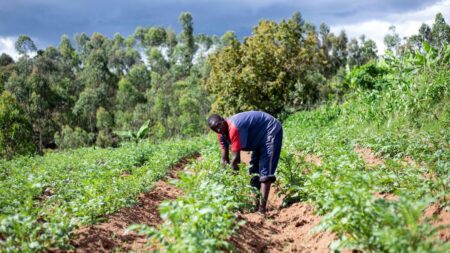
To achieve resilience, governments must invest in local and regional production, strategic reserves, blending facilities, soil-health and extension services, and trade corridors that move inputs efficiently. They must also move away from blanket subsidies in favour of targeted, digitally delivered support for smallholder farmers, most of whom are women.
The private sector should build manufacturing and blending capacity, fertiliser financing and insurance, and last-mile distribution networks. Aliko Dangote’s ambition to build the world’s largest urea platform through a USD 7 billion regional expansion is a sign of what African capital can do at scale. Development finance institutions can further de-risk and catalyse such investments.
An easing of the Gulf crisis is the moment to move Africa’s fertiliser agenda from emergency response to structural transformation: an affordable, climate-smart, regionally integrated and sovereign ecosystem.
The hardest time to build resilience is in shock.
The best time is when markets are calm and the memory of disruption is fresh. Africa cannot transform its food systems while hostage to global fertiliser, fuel and freight markets. This needs to be the shock we finally respond to meaningfully by building local and regional systems of our own.
The author, Prof. Tilahun Amede is Director of Climate, Sustainable Productivity and Resilience at AGRA, an African-led institution driving inclusive agricultural transformation across the continent since 2006