



- Economies in Africa are bracing for what could be the most powerful impact of El Niño weather cycle in decades running through February 2027. Authorities expect economic fallout due to devastating floods and extreme drought in some countries.
The World Meteorological Organization (WMO) has issued its most unequivocal forecast for a weather phenomenon on record, warning that El Niño is strengthening so rapidly that it is being “super-sized before our eyes” and will persist with near certainty through February 2027.
With the likelihood of the event continuing for the next five months placed at close to 100 per cent, the UN weather agency said the phenomenon, already firmly established in the Pacific Ocean, is expected to become “very strong” and peak around the end of the year.
Scientists have warned it could be the most powerful El Niño in decades, with subsurface ocean temperatures in parts of the Pacific exceeding eight degrees Celsius above normal.
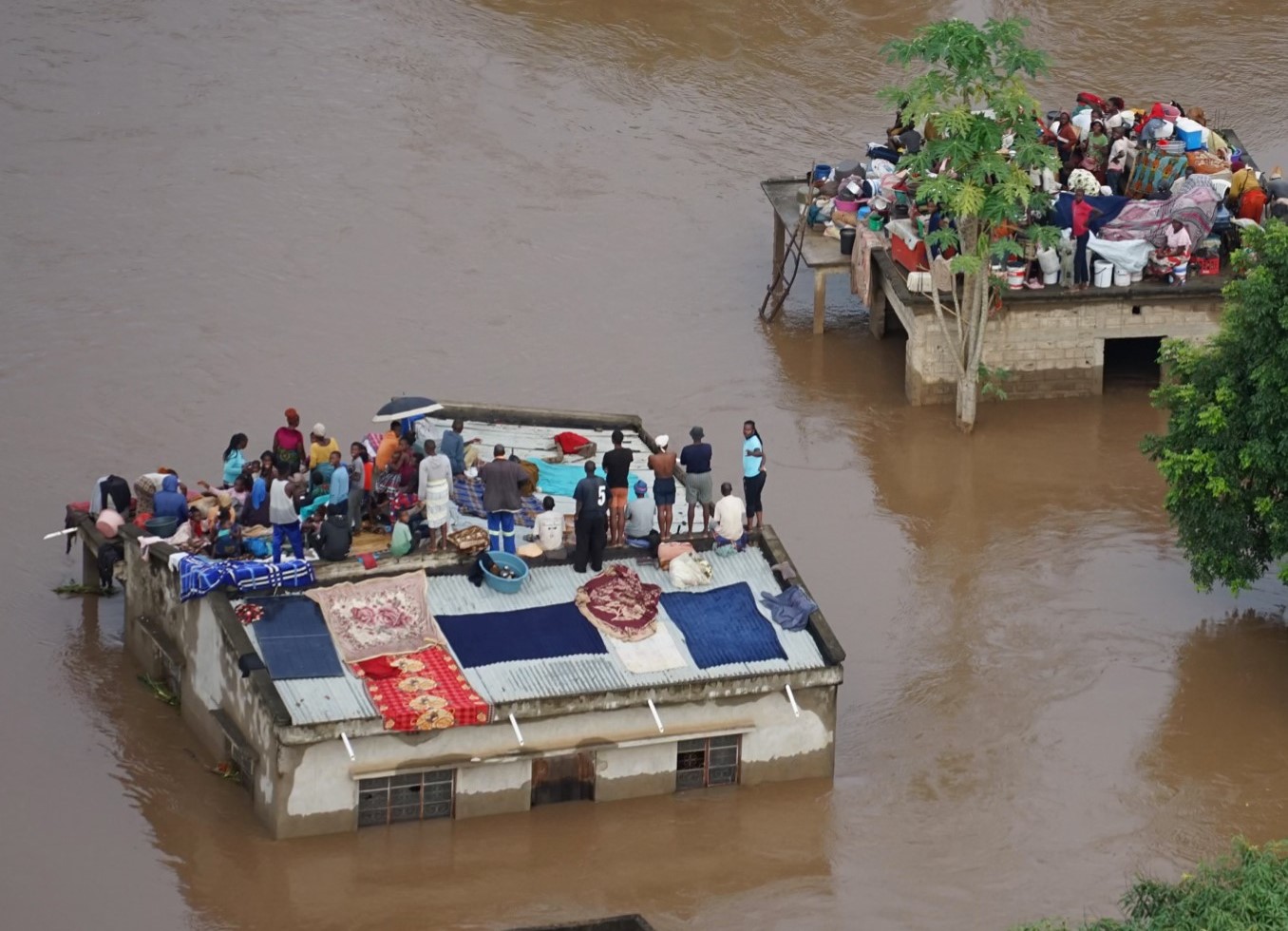
The warning carries profound implications for Africa, a continent already reeling from a record 167 million people facing acute food insecurity in 2025. Unlike the more uniform warming of the globe, El Niño’s impact on Africa is deeply uneven, promising a bitter harvest of drought in the south and potentially devastating floods across the east.
“El Niño means ‘little boy’ in Spanish, but it has the potential to deliver a massive blow to communities and economies around the world,” said Celeste Saulo, head of the WMO. “This exceptional El Niño demands exceptional preparation and response” .
The African Union has already convened emergency meetings, warning that this event could be the strongest since 1950, with peak intensity expected between November and February. The bloc estimates that economic losses from the looming crisis could reach as high as $20 billion across the continent.
Southern Africa’s dry threat
For Southern Africa, the outlook is grim. Climate experts from the Southern African Development Community (SADC), meeting in Namibia last week, have forecast below-normal rainfall across the bulk of the region for the 2026/27 rainy season. Countries including Angola, Botswana, Zimbabwe, Zambia, Namibia, and parts of South Africa are expected to face drier conditions.
The South African Weather Service (SAWS) warned that the event could become “the strongest in living memory,” with sea surface temperature anomalies potentially exceeding the 3°C threshold. It has cautioned that a high frequency of severe heatwaves is likely to accompany the parched conditions, raising concerns about water availability and agricultural production.
This follows the 2023/24 El Niño, which prompted Botswana, Lesotho, Malawi, Namibia, Zambia, and Zimbabwe to declare national disasters.
Read also: Will the Kampala Declaration deliver for African farmers amid climate change?
Eastern Africa’s flood risk on El Niño
Conversely, the Greater Horn of Africa is bracing for the opposite extreme. The IGAD Climate Prediction and Applications Centre (ICPAC) has forecast above-normal rainfall across much of the region from October to December, with an 81 per cent probability of a very strong El Niño. Northeastern Kenya, southern Ethiopia, and central and southern Somalia are likely to be particularly hard hit by torrential rains and widespread flooding.
Kenya’s government has already activated a national contingency plan, identifying 18 counties as most vulnerable, and preparing for possible evacuations in urban hotspots like Nairobi, Kisumu, and Mombasa. The government is mapping flood-prone areas and pre-positioning emergency relief supplies.
The crisis is compounded by the agricultural toll. The Food Security and Nutrition Working Group (FSNWG) reports that central and northern Ethiopia, the pastoral belt of Sudan, and parts of Kenya have already had a very poor start to the growing season.
However, the experts warn that while the rains may improve pasture for livestock in the east, excessive rainfall could destroy crops, disrupt infrastructure, and trigger disease outbreaks.
As the continent faces this dual threat of drought and deluge, experts have expressed concern that African seed systems remain ill-prepared. Despite the promotion of drought-resistant crops, adoption of staples like millet and sorghum is declining.
“The continent must close the gap between scientific discovery and delivery if it is to stop repeatedly falling back into emergency response,” warned Bram Govaerts, director general of the International Maize and Wheat Improvement Center (CIMMYT).