


- Africa insures just 3–5% of disaster losses as governments absorb $15 billion bill, inaugural Nairobi forum
- Africa’s protection gap is not a market failure waiting for a product. It is a fiscal exposure sitting on government balance sheets, and until disaster risk is priced into sovereign planning, the continent will keep paying for catastrophes after they happen rather than before.
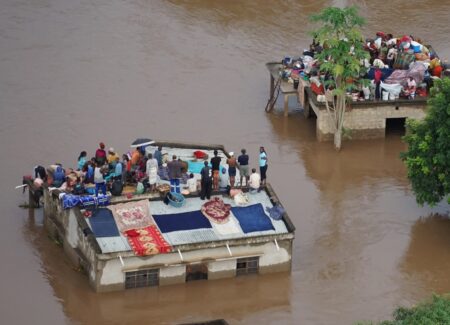
African governments are absorbing more than 90 per cent of disaster losses, an estimated $7–15 billion, because the continent insures only 3–5 per cent of them, against a global average of about 40 per cent, delegates at the inaugural CDRFI Africa Forum heard in Nairobi on Tuesday.
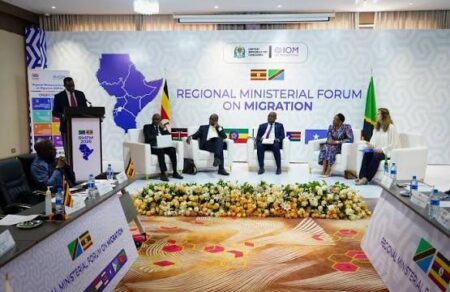
The two-day forum, held under the theme “Increasing Insurability to Close the Protection Gap in Africa,” convened senior government officials, insurance regulators, development partners and industry representatives from 21 countries, with a particular focus on financing resilient strategic and critical infrastructure.
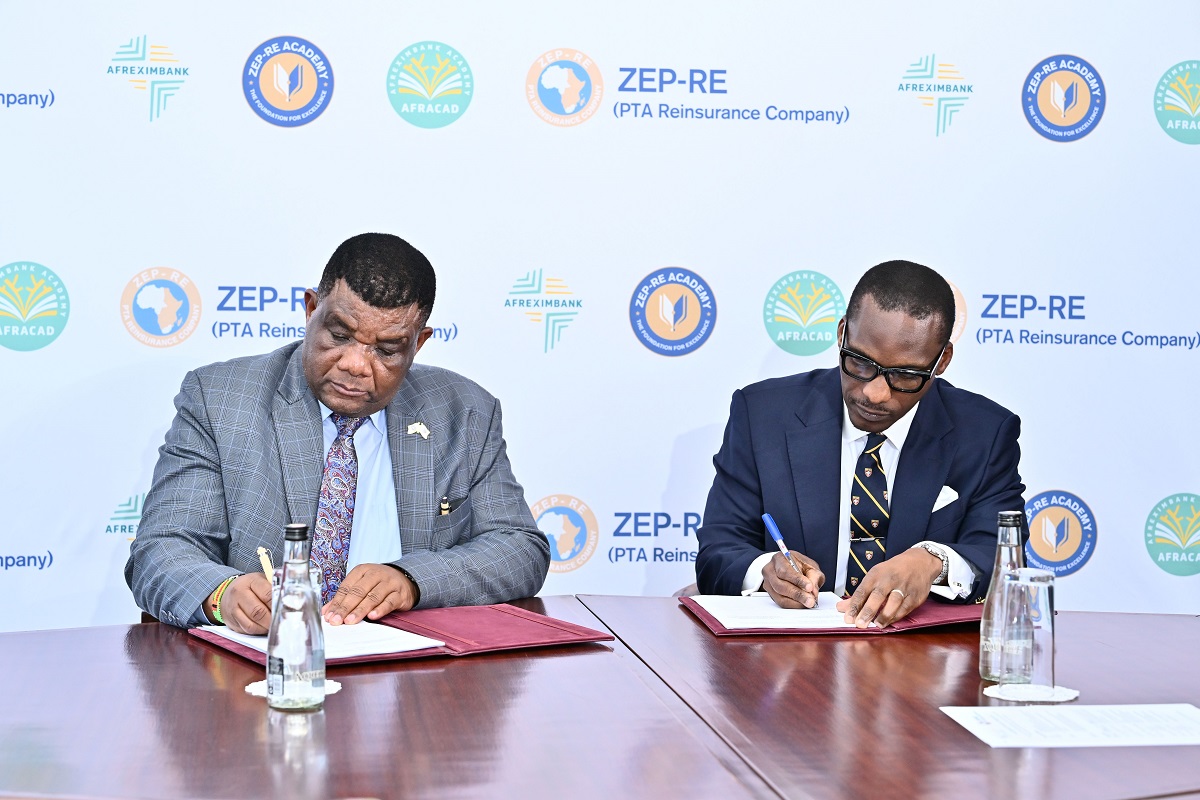
It ran alongside the eighth East Africa Insurance Supervisors Association (EAISA) and ZEP-RE Strategic Forum, and was hosted by the Government of Kenya through the National Treasury.
Climate protection gap worsens growth plans
The scale of the shortfall dominated the opening session. Speakers repeatedly rejected the framing of the protection gap as a technical insurance problem, casting it instead as a structural failure of development finance.
“The question is no longer whether disasters will occur, but whether our countries are financially prepared when they do,” said Dr. Boniface Makokha, Principal Secretary for Economic Planning at Kenya’s National Treasury, who represented Guest of Honour Felix K. Koskei, Chief of Staff and Head of the Public Service.
He called on governments to identify assets exposed to disaster risks and determine in advance how their recovery would be financed.
Hope Murera, Managing Director and Group CEO of ZEP-RE, the pan-African reinsurer behind the initiative, urged a shift from emergency expenditure towards proactive financial preparedness. “Disasters should not become fiscal crises,” she said. “Resilience is not a cost. It is an investment in growth and stability.”
Ekhosuehi Iyahen, Secretary General of the Insurance Development Forum, stated: “Prediction has improved faster than protection,” she said. “A protection gap is rarely just an insurance gap. It is almost always a development gap.”
Iyahen also pointed to Shock-Resilient Loans, an emerging workstream exploring whether sovereign lending can be structured so that risk transfer mechanisms give governments automatic fiscal breathing space after a major shock.
Insurability as an Investment Test
The link between insurability and capital allocation emerged as a key focus area. Dr. Protazio Sande, Interim Chairperson of EAISA and Acting CEO of Uganda’s Insurance Regulatory Authority, put it bluntly: “If it is not insurable, perhaps it is not investable.”
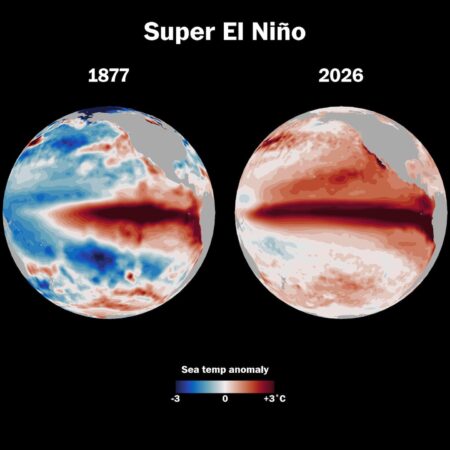
Godfrey Kiptum, Commissioner of Insurance and CEO of the Insurance Regulatory Authority of Kenya, described closing the protection gap as a development priority and called for regulation that protects policyholders while enabling innovation, citing the impending El Niño event as a reminder of the need to act before shocks occur.
Emiko Todoroki of the World Bank Group’s disaster risk finance practice called for financing strategies matched to each country’s risk profile. Governments, she argued, could combine budget reserves, contingent financing, insurance and investment in risk reduction to address different levels of risk, a layered approach that acknowledges no single instrument can cover every exposure.
Read also: Weather experts warn of the most powerful El Niño in decades as extreme weather hits Africa
From Declaration to Implementation
The forum sought to convert the 2025 Zanzibar Declaration, under which insurance regulators from 12 countries pledged to support programmes protecting critical public infrastructure, into operational reality. Delegates called for commitments to move from declaration to implementation through a sustained, government-led Community of Practice, bringing Ministries of Finance into a dialogue long dominated by supervisors and industry.
The first panel, “From Policy to Practice: Sovereign Risk Finance in Africa and Southeast Asia,” moderated by James Sinah of the World Bank Group, examined which risks governments should retain and which are better transferred to the private sector. Panellists included Ronald Inyangala of Kenya’s National Treasury; Herbert Asimwe of Rwanda’s Ministry of Finance and Economic Planning; Likezo Musabani of Zambia’s Disaster Management and Mitigation Unit; Sharon Almanza, National Treasurer of the Philippines; and Murera of ZEP-RE.
Sinah closed the session with three priorities: treating the protection of public assets as an immediate development priority rather than a long-term ambition; recognising that risk layering is essential because no single financial instrument addresses every risk; and strengthening government leadership alongside regulatory support. He also emphasised pooling risks regionally to create scale.
A second panel, moderated by Linet Odera, ZEP-RE’s Group Chief for Public Sector and Inclusive Solutions, examined why protection gaps persist despite growing losses. Participants identified thematic risk pools as a potential avenue for Zanzibar Declaration signatories to address uninsurability and limited underwriting capacity arising from the systemic nature of climate and disaster risks and Africa’s relatively small market size.
Odera highlighted three priorities for narrowing the gap: reliable data, stronger analytics and modelling capabilities, and innovation. Better risk information, she noted, can strengthen resilience planning, support product development and contribute to market development.
Jamaica and the Philippines, countries which were both represented at the forum, were invited to share national experiences in disaster risk financing and insurance, offering comparative lessons for African sovereigns.
Read also: Why economies in Africa must brace for a powerful El Niño
Regional ambition to drive climate protection
ZEP-RE used the opening session to unveil its third annual Sustainability Report dubbed Building Resilience Across Africa. The forum was delivered in partnership with the World Bank Group, with partners including the African Development Bank, Agence Française de Développement, FSD Africa, the Global Shield against Climate Risks, the Insurance Development Forum and the International Association of Insurance Supervisors.
ZEP-RE, established in 1990 as a specialised institution of COMESA, operates in more than 45 African countries from its Nairobi headquarters, with eight country and regional offices across Sub-Saharan Africa. Its subsidiary, ACRE Africa, focuses on resilience and credit access for smallholder farmers. The reinsurer is rated B++ (Financial Strength) and bbb+ (Issuer Credit) by A.M. Best.
The forum’s organisers signalled that the Nairobi gathering is intended as the first in a sustained series, with ZEP-RE pledging to continue working with EAISA, member states and partners to advance the climate and disaster risk financing agenda.