


- A strategic entry into Kenya marks DP World’s ninth active African market, joining a roster that includes Algeria, Angola, Egypt, Mozambique, Rwanda, Senegal, Somaliland and Tanzania.
- DP World’s sprawling continental network of interests is supported by huge financial backing. The company has reportedly invested close to $3 billion in Africa to date, with plans to commit another $3 billion to $4 billion into new port corridors and logistics infrastructure over the next few years.
Port logistics giant DP World has announced yet another huge investment in Africa, unveiling the development of a 222-hectare special economic zone just 20 kilometres from Kenya’s Port of Mombasa, the busiest trading hub in East Africa’s coast.
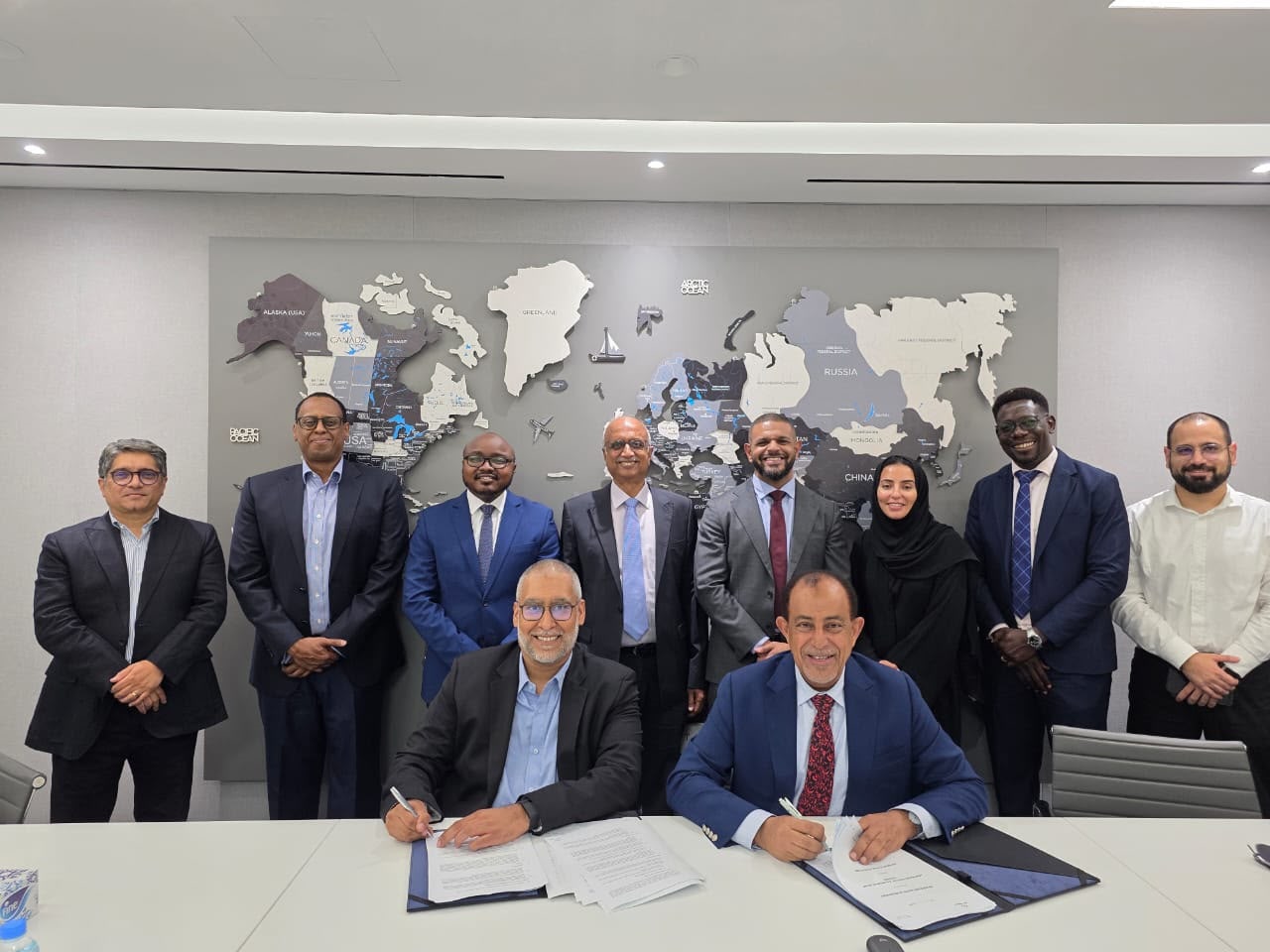
In a deal that will be undertaken in partnership with GulfCap Africa, DP World has agreed to develop Mombasa Industrial Park, marking yet a vital investment in Kenya’s coast where Africa’s richest man Aliko Dangote is also building a massive oil refinery.
While DP World’s project is slated to generate thousands of jobs and inject over $100 million into East Africa’s largest economy, the development is about more than just land leases and warehouses. Faced with geopolitical hurdles and a protracted legal battle to control operations at the Port of Mombasa, DP World is executing a new strategy: building the most important logistics ecosystem around the key port, rather than just managing the dock itself.
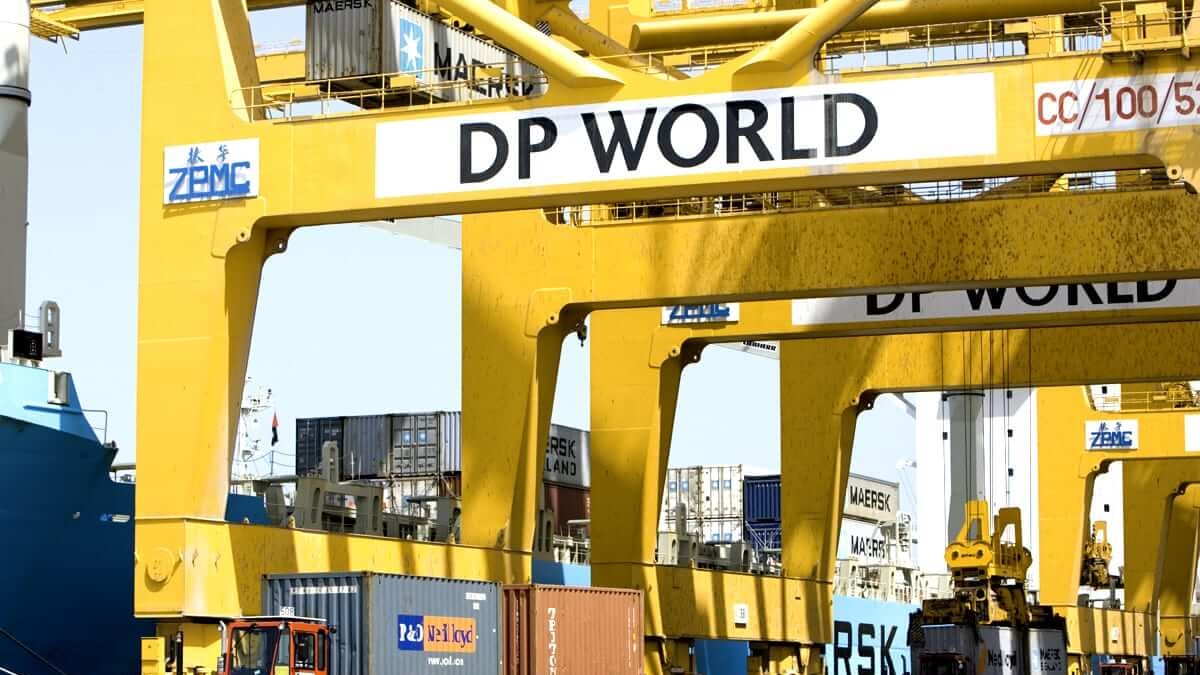
Is Mombasa Industrial Park DP World’s Hedge Against Political Risk
The announcement, confirmed on Tuesday, details a phased project beginning with 40 hectares of the total 222-hectare industrial zone. The park aims to offer a comprehensive “integrated ecosystem” connecting ports, logistics and expanding regional markets.
For years, DP World has been attempting to secure a concession to manage berths at the Port of Mombasa. A 2023 tender that would have granted the firm four berths and a million-TEU terminal was derailed by a community court action. Although the case was settled and the Kenyan government revived the concession push in 2025, DP World has not publicly re-entered the fray, even as Japanese and Chinese financiers circle the opportunity.
Analysts suggest the decision to build the industrial park is a direct result of this friction. It allows DP World to capture the economic gravity of Mombasa port without needing to wait for, or even win, the political approval required to manage the docks themselves.
“The SEZ delivers what DP World needs most, independent of berth control: cargo, logistics revenue, and a grip on regional trade,” explains Wolfgang Lehmacher, former head of supply chain and transport industries at the World Economic Forum. “The industrial park hedges against political risk, not maritime chokepoints… a nearby SEZ lets the company capture Mombasa’s trade gravity without waiting on an approval process it doesn’t control”.
Integrated Ecosystem Strategy
The Mombasa deal fits a pattern of expansion that analysts have flagged as increasingly common among Gulf port operators. They are competing on more than just quay space; they are building the free zones and inland logistics networks around ports they do not necessarily control.
Maritime and ports analyst Nilesh Tiwary notes that this “integrated ecosystem” strategy allows DP World to generate revenue streams far beyond cargo handling. By creating industrial parks, the company monetizes “land leases, warehouses, distribution centres, container handling, cargo consolidation, customs-related services, value-added logistics, cold storage, freight forwarding and inland transportation”.
This strategy is poised to transform DP World from a mere port operator into a holistic trade facilitator. In Kenya, the company already launched a Port Community System alongside the Kenya Ports Authority to digitalize customs clearance and cargo tracking, further embedding itself into the nation’s supply chain without holding a single port concession.
Read also: US tariffs and African Agri: Navigating the 30 per cent export slump?
DP World’s Growing Presence in Africa
The entry into Kenya marks DP World’s ninth active African market, joining a roster that includes Algeria, Angola, Egypt, Mozambique, Rwanda, Senegal, Somaliland, and Tanzania. This sprawling network is supported by staggering financial commitment; the company has reportedly invested close to $3 billion in Africa to date, with plans to commit another $3 billion to $4 billion into new port corridors and logistics infrastructure over the next few years.
Earlier this year, DP World launched a new shipping route linking its flagship Jebel Ali Port in the UAE directly to Berbera Port in Somaliland. By linking Jebel Ali to Berbera, and now building logistics hubs in Mombasa, DP World is effectively stitching together a trade corridor that offers an alternative to established routes that often bottleneck through Djibouti.
Read also: Port Pay Off: DP World’s Cash Injection Delivers Wins for Tanzania’s Shipping Industry
Implications for East Africa and the “Gulf Rush”
The Mombasa Industrial Park is a major win for Kenya, promising nearly 8,000 direct jobs and a revival of industrial ambition for the coastal city that largely relies on tourism for revenue. It aligns with President William Ruto’s agenda of promoting industrialisation and attracting foreign direct investment.
However, it also heralds a shift in the regional logistics landscape. By gaining a strategic foothold near Mombasa, DP World positions itself to serve the landlocked nations of East Africa, including Uganda, South Sudan and Rwanda, while also capturing a share of the logistics value chain that was previously the preserve of Kenyan state agencies.
Furthermore, the deal underscores the growing competition among Gulf states for influence in Africa. While DP World focuses on the “integrated ecosystem” model in Kenya, rivals such as AD Ports Group are securing concessions for terminals in Nigeria, Sudan, and other strategic markets, intensifying a regional rivalry that is reshaping the continent’s trade architecture.
Whether DP World ever achieves its dream of operating the quayside in Mombasa remains an open question. But with the ground now broken on the Mombasa Industrial Park, the company has ensured that even without the berths, it is already a permanent fixture in East Africa’s economic future.