

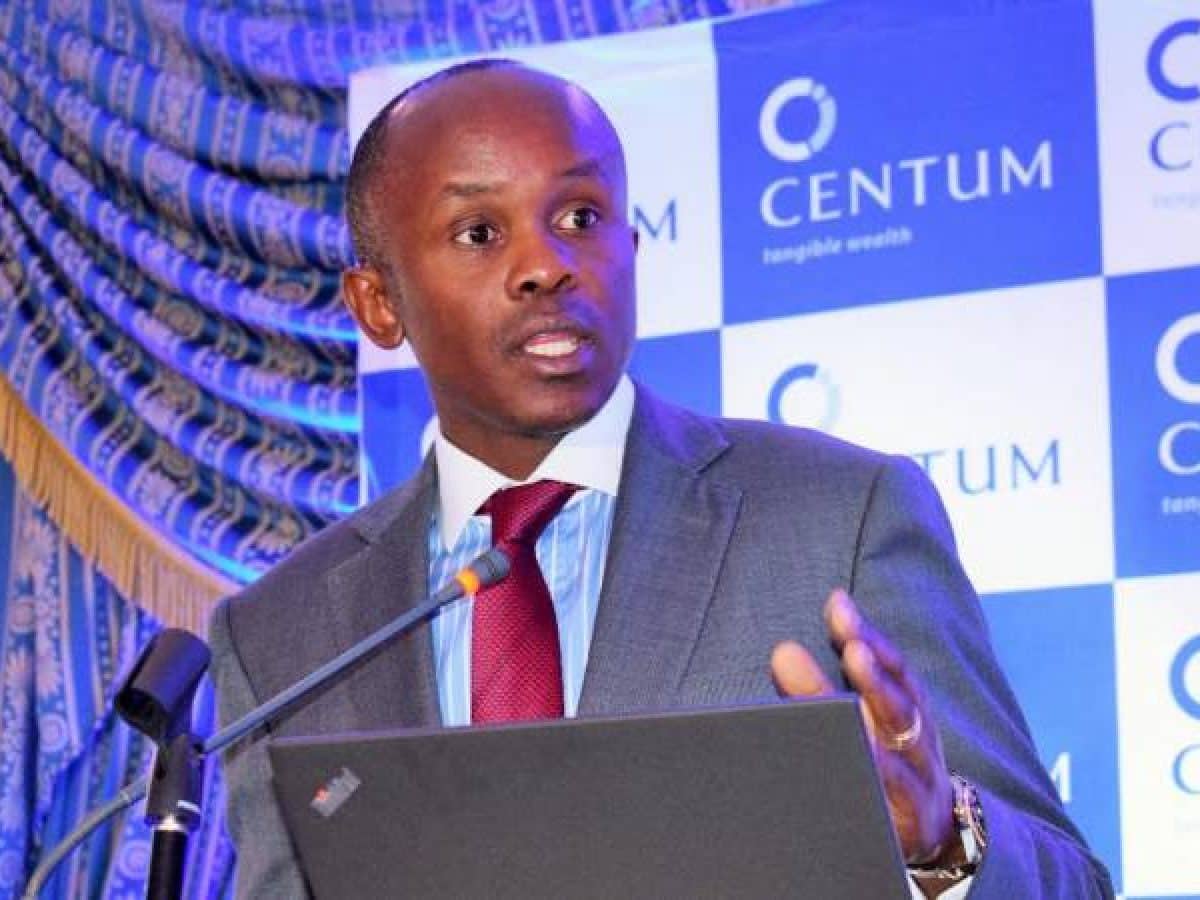


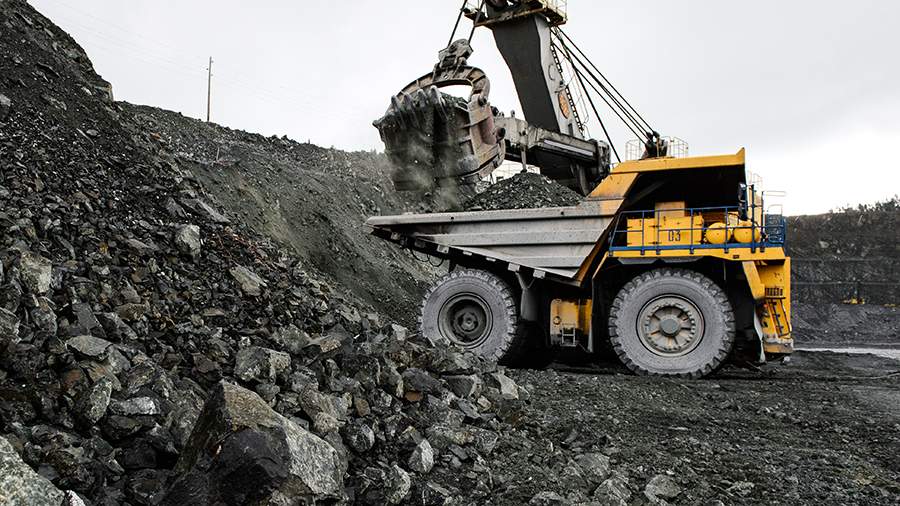
- Critical Metals Corp, a U.S.-listed firm led by veteran mining financier Tony Sage, has been shortlisted as one of three finalists in Kenya’s tender for Mrima Hill rare earth elements and niobium project, alongside Australia’s RareX and Iluka Resources.
Kenya’s coastal Kwale County has long been known for its vast titanium deposits. But beneath the red earth in the southern coasts’ hilly zone lies a prize far more strategic: one of the world’s largest undeveloped deposits of rare earth elements and niobium.
These minerals are indispensable for electric vehicles, wind turbines, and the precision-guided weaponry that underpins American military superiority.
Mrima Hill is now evolving into a proving ground for the Biden administration’s (and now Donald Trump administration’s) push to break China’s international stranglehold on the critical minerals supply chain.
Critical Metals Corp, a U.S.-listed company chaired by veteran mining financier Tony Sage, has been shortlisted as one of three finalists in Kenya’s competitive tender for the project, alongside a consortium backed by Australian firms RareX and Iluka Resources.
The decision, announced on July 21, thrusts Mrima Hill into the center of a geopolitical contest that is reshaping U.S.-Africa relations. With China controlling approximately 90 percent of global rare earth processing and manufacturing an even greater share of the high-value magnets that power the green transition, Washington is racing to secure alternative supply sources.
Kenya, with its stable institutions, direct access to the Port of Mombasa, and newly declared strategic minerals policy, has emerged as a pivotal partner in that effort.
“Mrima Hill is precisely the kind of world-class, strategically located asset we have built this company to pursue,” Mr. Sage said in a statement, adding that the project would “sit perfectly alongside Tanbreez, further strengthening our Western-aligned rare earth strategy”.
Critical Minerals value chain: The China Factor and the U.S. Response
The announcement comes at a time when China has signaled it will increasingly prioritize domestic needs for rare earths, even as global demand for the magnets that power EVs and defense systems is projected to grow four to six times by 2040.
While the U.S. maintains influence over global shipping routes and financial systems, Beijing has entrenched its dominance through a playbook of early-stage investments, infrastructure-for-minerals deals, and control over processing, what analysts call the “pricing power” end of the value chain.
For U.S. policymakers, Africa’s 30 percent share of global critical mineral reserves represents the most viable near-term option for diversification. The Brookings Institution recently noted that U.S. private sector financing is an “underutilized resource” that, if properly leveraged through tools like the Development Finance Corporation and EXIM Bank, could help Washington compete with China’s deep-pocketed state-backed firms.
Josh Kroon, the U.S. Deputy Assistant Secretary for Critical Minerals, made this calculus explicit at a mining forum in Nairobi earlier this year. “We believe we are a better partner… Our goal is not to extract and leave, but to build foundational elements of an industrial base that lasts beyond a single project,” he said, contrasting the U.S. approach with Chinese models that often focus on raw extraction.
Read also: US invites Kenya to lead critical minerals preferential trade zone
The Stakes for Kenya
President William Ruto’s administration has set a target of increasing the mining sector’s contribution to GDP from a mere 1 percent to 10 percent by 2030. More importantly, the government is pushing for local value addition, processing minerals within Kenya rather than exporting raw ore, a demand that aligns with the African Union’s broader Green Minerals Strategy.
The Critical Metals consortium, with a combined market capitalization of approximately $1.5 billion and cash reserves exceeding $400 million, says it is fully funded through Phase 1 construction.
It also brings a technical team with experience building major projects like MP Materials’ Mountain Pass in California and Pensana’s Longonjo in Angola. Critically, the consortium has promised an accelerated development timeline, with a vision to eventually produce NdPr magnets, the single most valuable product in the rare earth chain, and one currently dominated by China.
The competing RareX/Iluka bid offers an alternative pathway: shipping concentrate to Iluka’s Eneabba refinery in Australia, which is being built with a $1.65 billion loan from the Australian government. This raises a fundamental question for Nairobi: Is it preferable to partner with a consortium that promises local processing from the outset, or one that offers a proven downstream pathway, albeit offshore?
Read also: Critical minerals top energy agenda as U.S.-Africa partnership deepens
Mrima Hill: A Diplomatic and Economic Gamble
Both consortia are vying for the blessing of Mining Cabinet Secretary Hassan Joho, who has made clear that any deal must “create jobs for the people and build wealth for the country”.
Last year, Nairobi declared 14 minerals as strategic, offering generous incentives including up to 150 percent investment allowances and 10-year tax loss carry-forwards.
Yet challenges remain. The average lead time for new mines is approximately 18 years, and African projects often face social and environmental hurdles. The Mrima Hill deposit itself has a long history of failed exploitation attempts, and local communities in Kwale still harbor memories of Base Titanium’s recent departure after reserves were exhausted.
Moreover, as the Brookings Institution has noted, the U.S. still lacks a cohesive, long-term strategy for African critical minerals, often relying on ad-hoc engagements that struggle to match China’s strategic patience.
With the African Growth and Opportunity Act (AGOA) expiring in months, Kenya is also losing preferential textile access to the U.S. market, making the stakes of the Mrima Hill decision even higher as it seeks new sources of export earnings.
The Mrima Hill tender is more than a mining deal; it is a strategic inflection point. If the U.S.-backed consortium wins and delivers on its promise of local processing, it could establish a blueprint for Western engagement in Africa, one based on partnership, transparency, and shared value addition.
If it falters, or if China’s deep pockets and infrastructure-for-minerals model prevail elsewhere on the continent, the U.S. may find itself permanently locked out of the most critical supply chains of the 21st century.
For now, all eyes are on Nairobi, where the final decision is expected in the coming months. As Mr. Kroon put it: “What we are most concerned about is not what works, but what does not work—because that is where investments fail”.