


Trending
- VALR sets sights on East Africa as blockchain moves deeper into Africa’s financial system
- The cost of the data gap: Why Kenya’s lenders can’t afford to miss the full picture
- Tanzania takes EAC labour migration helm as regional rules face overhaul
- 2026 is turning out as a defining year in geopolitics, but for whom?
- Saudi Arabia and Tanzania pledge to deepen bilateral trade ties
- Tanzania rewrites its digital investment playbook
- Ethical sourcing boosting demand for Tanzania organic cotton
- DRC deploys 70,000 Ebola vaccine doses in high-stakes trial against deadly Bundibugyo strain


Browsing: BoT

Tanzania is growing its national gold reserve as a smart move to counter USD shortage. Already, the country lags behind…

Tanzania is Africa’s fourth-largest gold producer and ranks 18 in the world. The country is ramping up production of the…
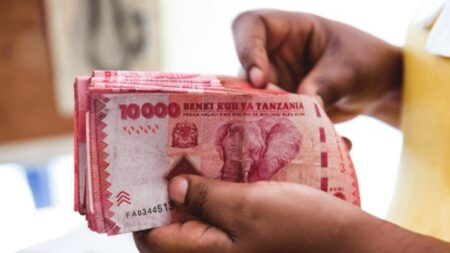
Inflation in Tanzania has gone down to 3%, lower than Kenya’s 4.3% and Uganda’s 4% posted in July. While economic…
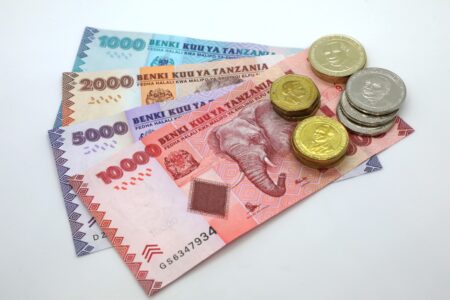
The Monetary Policy Committee (MPC) which most recently held its ordinary meeting on 22nd May 2023 has approved the toughened stance. The MPC resolved that; “Given the domestic and global economic conditions, the Bank is to sustain the implementation of less accommodative monetary policy in May and June 2023,” in other words, Tanzanians should tighten their belts. Some more. This policy stance will ensure that inflation in Tanzania remains within the target of 5.4 percent in the remainder of 2022/23.”

Tanzania’s economic reform program is progressing well in a challenging global economic environment and the authorities remain committed to IMF’s…

Tanzania inflation hits five year high Zanzibar bans export of food commodoties ahead of Holy Month China reopens market, expected…

Banking in Tanzania is taking a different shape and form as competitive banks such as CRDB Bank begin injecting serious…
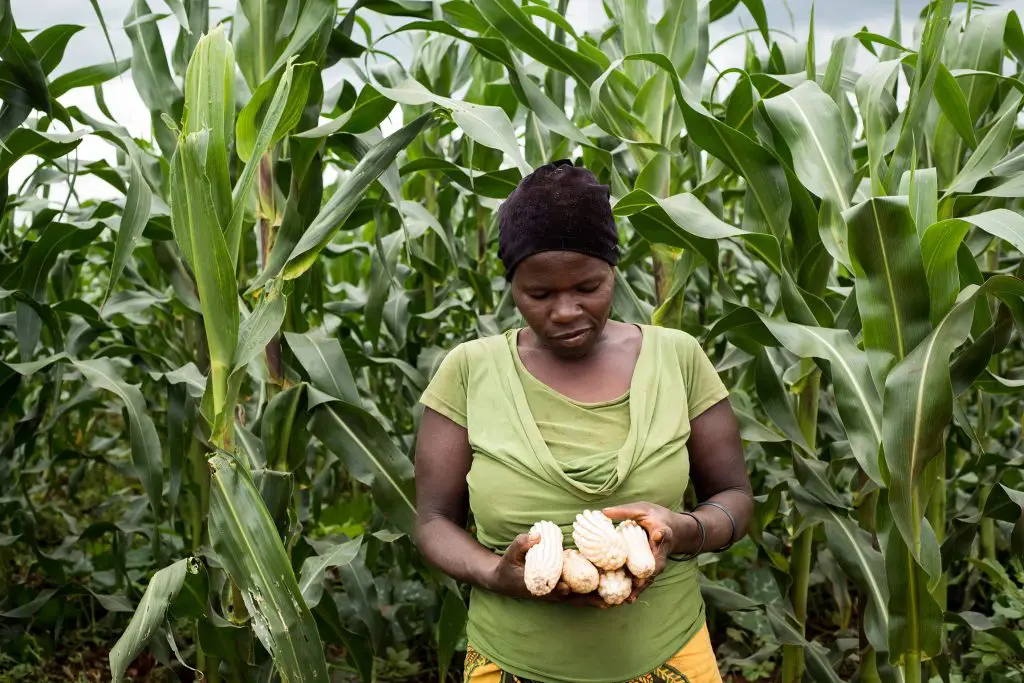
Tanzania is building irrigation schemes for rice production and encourages efficient use of fertilizers via its 10-year National Rice Development Strategy Phase II (NRDS-II). “The NRDS-II purpose is to double the area under rice cultivation from 1.1 to 2.2 million hectares from 2018 to 2030, double on-farm rice productivity from two t/ha to four t/ha by 2030, and reduce post-harvest loss from 30 per cent to 10 per cent by 2030,” according to ITA.
The exportation of goods is a numbers game. Numbers give a unique perspective on the trend of agro-product exportation across potential and competitive markets in the region and abroad.
ITA shows that the exportation of corn has faced setbacks in the financial year 2021/2022 as forecasted to decrease by 20 per cent, equivalent to 80 million metric tonnes, due to the COVID-19 pandemic disrupting supply chains. The decrease is attributed to reports of truck drivers’ screenings, lockdowns and curfews in neighbouring countries.
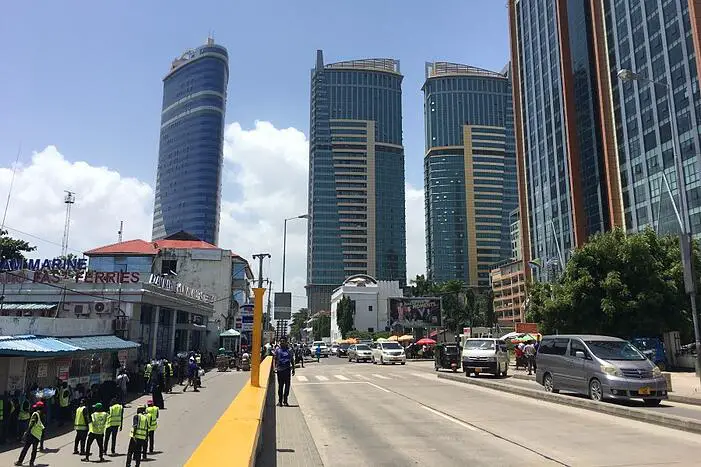
Thanks to the credit extended by BoT, the private sector credit maintained a strong recovery pace, recording an annual growth of 10 per cent, the same as in the preceding month, and significantly higher than the 2.6 per cent recorded in January 2021.
The central bank report noted that accommodative monetary policy had catapulted good performance of the sector. Money supply growth was strong in January 2022 and consistent with the target of 10 per cent for 2021/2022.
“Extended broad money supply (M3) grew at an annual rate of 14.9 per cent compared with 15.5 per cent in the preceding month.”
The review unequivocally pointed out that the growth rate was more than twofold of the outturn in the corresponding period in 2021.

In the past decade alone, there has been a proliferation of new means of digital payment that to a great extent has brought about financial inclusion in a way that traditional platforms like banks and money lenders couldn’t.
It is the introduction of these new non-bank financial services providers generally referred to as FinTechs that has conjured the need for digital financial services regulations. Towering above FinTechs are Mobile Network Operators (MNOs), commanders of the Digital Financial Services market.
MNOs were lucky enough to find a ready and defined market to usurp. MNOs already had an existing client base and an enormous network of agents that were using their mobile telecom services for texting and calling.