


Trending
- Africa’s Green Economy Summit 2026 readies pipeline of investment-ready green ventures
- East Africa banks on youth-led innovation to transform food systems sector
- The Washington Accords and Rwanda DRC Peace Deal
- Binance Junior, a crypto savings account targeting children and teens debuts in Africa
- African Union Agenda 2063 and the Conflicts Threatening “The Africa We Want”
- New HIV prevention drug is out — can ravaged African nations afford to miss it?
- From banking to supply chains, here’s how blockchain is powering lives across Africa
- Modern railways system sparks fresh drive in Tanzania’s economic ambitions


Browsing: China
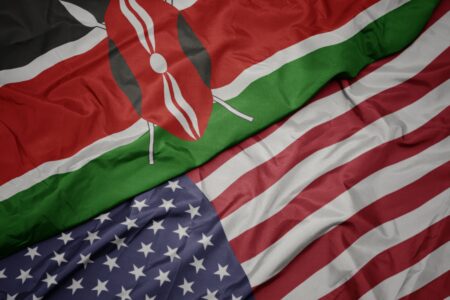
President William Ruto’s election in August 2022 introduced an element of uncertainty in Kenya’s foreign policy landscape. While it is challenging to predict the exact trajectory, his past statements suggest a more pragmatic and balanced approach to international relations. While emphasizing the importance of regional integration and South-South cooperation, President Ruto has also acknowledged the significance of Kenya’s longstanding relationship with the United States. This nuanced stance implies that the government might not abandon the Look East Policy entirely but rather recalibrate to strike a more balanced approach between the East and the West.

China signs deal to reopen closed uranium mining site in crisis-hit Niger. Niger further agrees to give Chinese Company an…
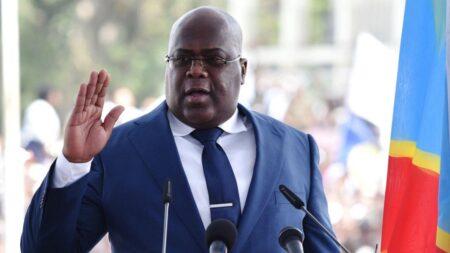
Since President Félix Tshisekedi took power in January 2019, DRC has been pitching and welcoming international and regional investors in…
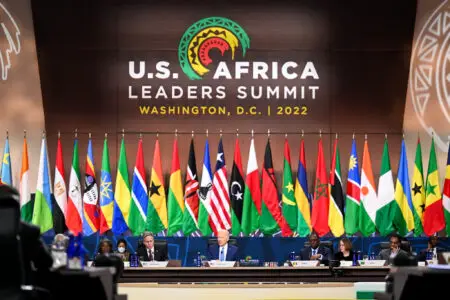
In recent years, Africa has emerged as a promising destination for global investment, with its vast natural resources, expanding consumer markets, and growing middle class. As the continent’s economies continue to strengthen and diversify, global players increasingly recognise the potential for mutually beneficial partnerships. The United States has significantly contributed to Africa’s economic transformation among these partners.
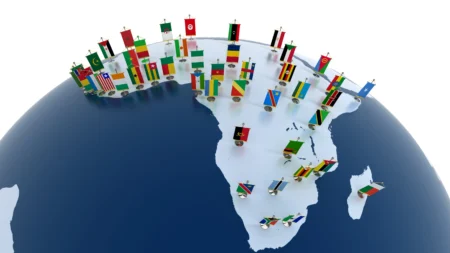
The implications of fragmentation and polarization on Africa’s economic growth and whether these trends will continue are unknown. What is certain is that multilateral organizations will need to continue encouraging international dialogue to promote economic integration and collaboration. As a result, one problem that emerges is whether African nations would adopt a unified stance or take a non-aligned approach in the Sino-American dispute.
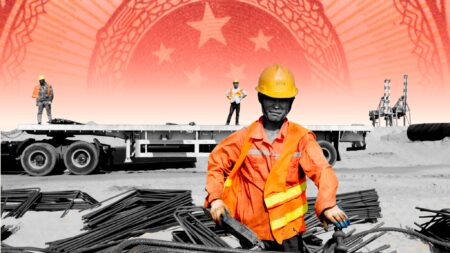
In the last 20 years, Africa’s external debt has grown fivefold to about $700 billion. According to Chatham House, a policy centre in London, Chinese lenders account for about 12 per cent of that amount. As of November 2022, the International Monetary Fund (IMF) and the World Bank considered 22 low-income African countries to either be in debt distress or facing potential external debt distress.
In recent months, the discourse about de-dollarisation has gained momentum. The sanctions against Russia have exposed the danger of over-dependence on the US dollar in international trade. The recent foreign exchange challenges have also recharged the growing efforts to bolster other currencies.
De-dollarisation could soon become a reality. A BRICS substitute to the dollar could enjoy high prospects for success, a former White House adviser, Joseph Sullivan, has noted. Sullivan served as a staff economist at the White House Council of Economic Advisers during the Trump administration. According to him, a potential BRICS currency poses a unique threat to the dominance of the US dollar in international trade.
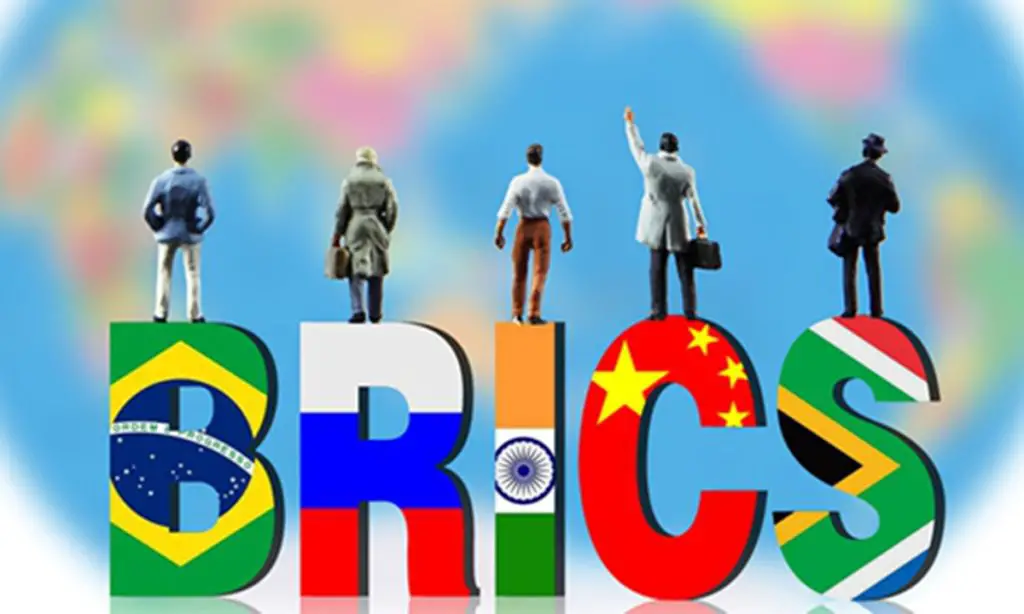
The global financial landscape has undergone a remarkable transformation in recent times. Remarkably, the issue of the de-dollarization of international trade is slowly but steadily gathering momentum. A rising trend toward de-dollarization is challenging the longstanding supremacy of the United States in the international financial system. As the dominant global reserve currency, the US dollar remains pivotal in international trade, investment, and financial transactions.
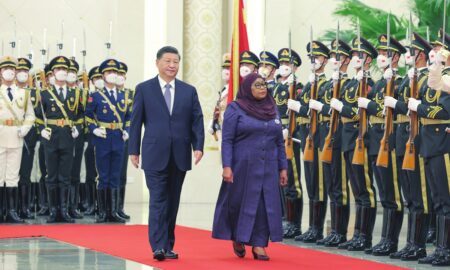
Trade between China and Tanzania grew by 23.7% year-on-year, reaching US$8.31 billion in 2022 China pledges increased cooperation under its…

The prospect of establishing a common currency will be a top agenda at the upcoming BRICS Summit in Durban, South…