
Trending
- Silicon Valley’s Tim Draper backs Nairobi blockchain festival, sees Africa as next digital frontier
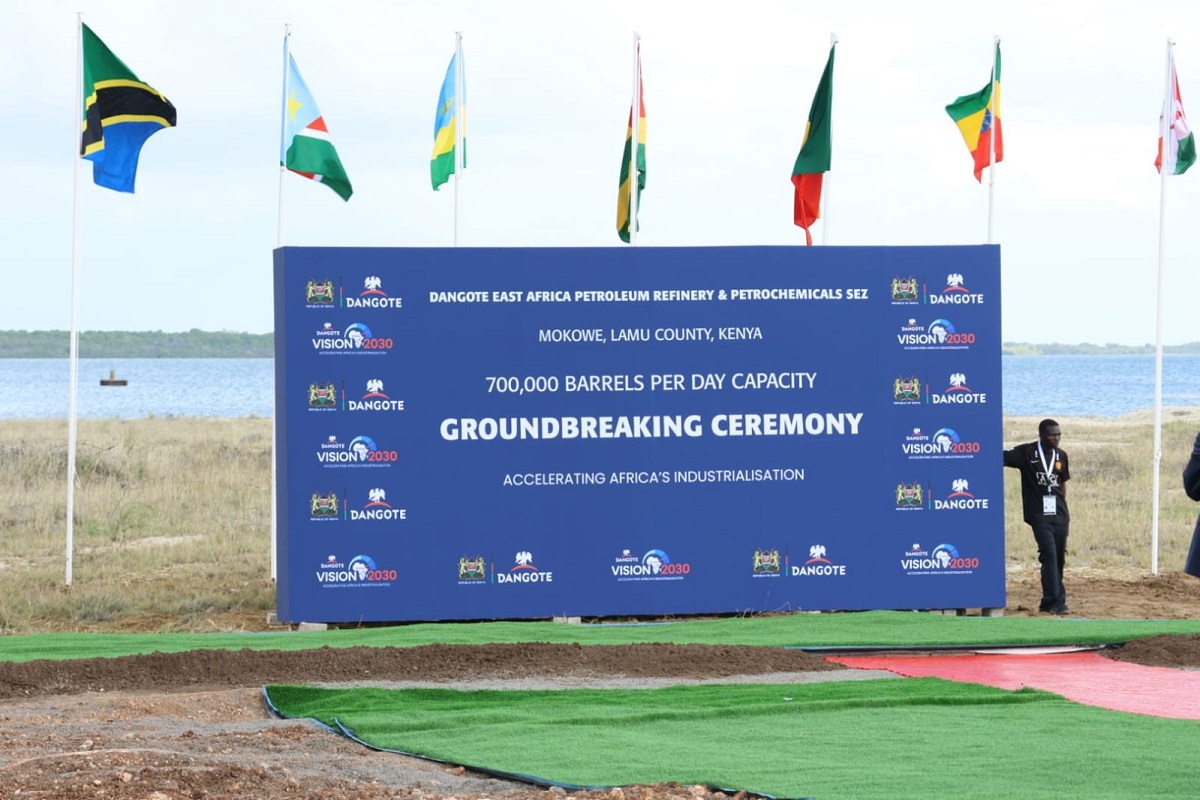
- Dangote breaks ground on $16bn Lamu refinery as East Africa seeks fuel independence
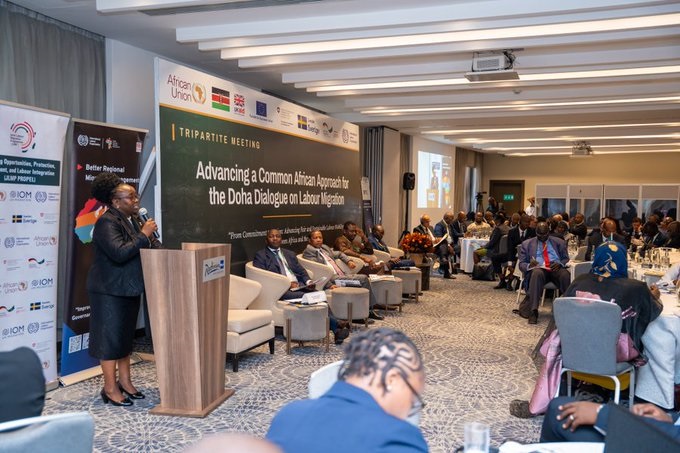
- Gulf and African states meet in Dar to rewrite rules of labour migration
- African governments drive new forest finance progress as global report warns funding globally must scale faster
- Fine Spinners eyes Kenya’s Agoa-backed apparel supply chain with $5m plant
- Why young Kenyan investors need to stop treating the stock market like a betting slip
- Tanzania tax reforms mandate VAT refunds to under 30 days
- In New York, world leaders unveil plan to overhaul global health architecture


Browsing: China
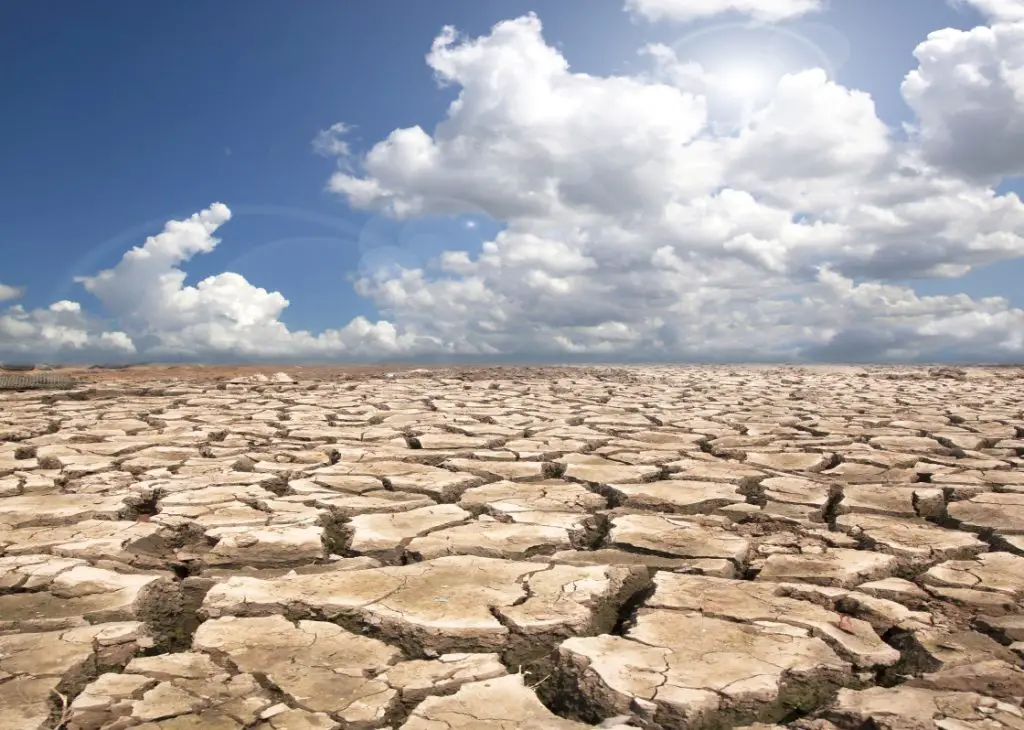
Policymakers must advocate for pooling resources to support the most affected, particularly in Africa. They can financially support and share land restoration and climate adaptation technologies. Collaborations to expand inclusion that can attain a new paradigm in climate change mitigation.
The leaders of the major polluting nations and donor countries, as well as the leaders of African nations—must commit to implementing policies, allocating resources, and taking the necessary actions to address the deteriorating climate situations globally.
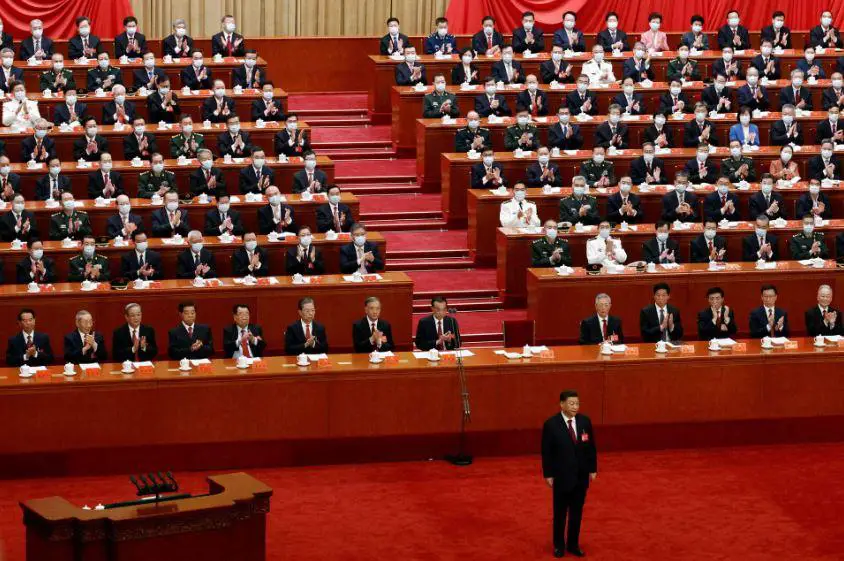
The signal coming from the CCP congress is that the world should not expect a change in policy against Covid anytime soon despite its important ramifications for the global economy. On the domestic front, the economy of China has not been doing well. Ever since its economy started to slow down, unemployment has been on the uptick, with at least 20% of young people in China said to be unemployed.
China is also in the throes of a housing crisis, with several large property developers on the brink of financial ruin and or bankruptcy. The case of the Evergrande Group is the most prominent. The property company rose to prominence by developing massive housing projects fueled by the availability of cheap credit from the government first and from private lenders.
The urbanization of China through the migration of citizens to urban areas drove demand for apartments. Developers eager to satisfy this seemingly unending demand decided to borrow the money to build skyscrapers.
The music for the property developers stopped when there was a slowdown in the number of people migrating to urban areas. This affected their revenues to the extent that they began to default on their loans en masse. The problems in the housing markets became systemic in the sense that the credit used to finance the development of housing had come from overseas investors and lenders.
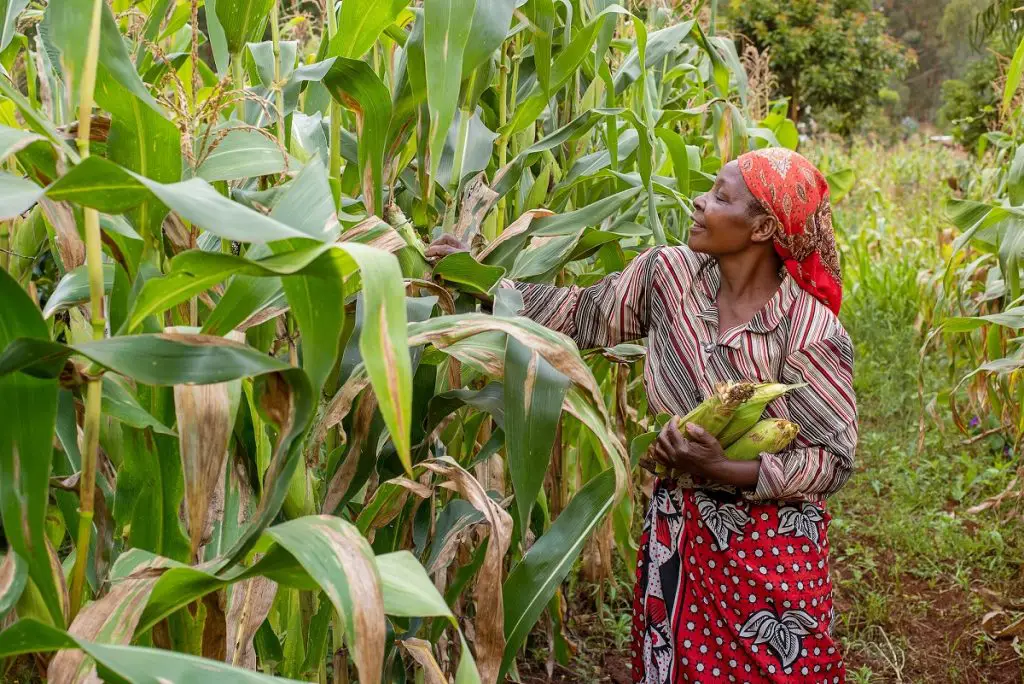
The rising commodity prices, surging inflationary pressures, and the contracting global financial situation have risked African trade and production capabilities. Moreover, the rising threat of sovereign defaults poses a severe risk to the growth of African trade. Thus, African trade prospects remain unclear, considering the challenging global economic scenario.
The Covid-19, energy and food shortages have hit with the countries having minimal or no policy space to respond. As a result, African countries have fallen into a real risk of debt distress and even possibilities for sovereign debt default.
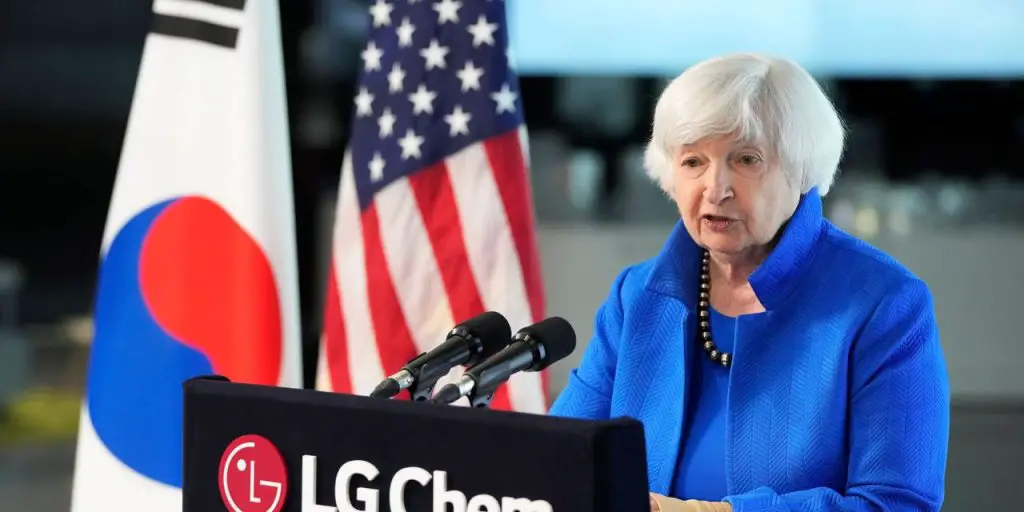
Russia war on Ukraine worsening inflation in Europe US offers list of commitments to Asia in friend-shoring deal Africa needs to…
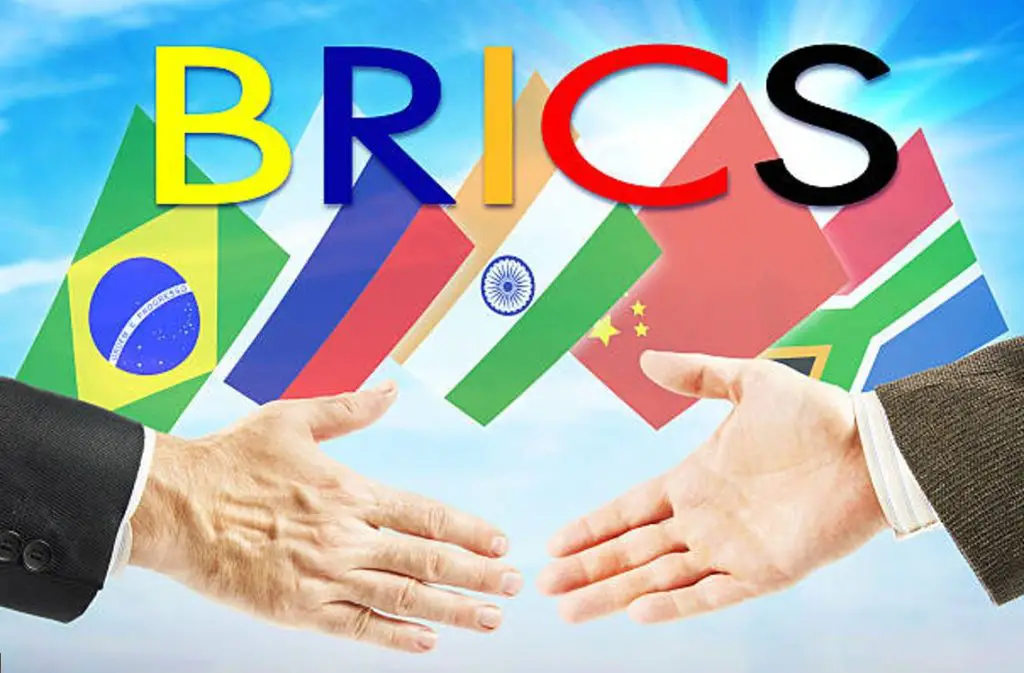
China presently has the largest sum of foreign exchange reserves in the world. When its over US$ 3 trillion in reserves is added to the reserves of the other BRICS member states the questions as to why they cannot issue their own currency start to grow louder.
Talks of a common currency fizzled out as more pressing national and international matters eclipsed the idea. This year 2022 has seen renewed calls for a common reserve currency emerge once again. This time Russia is leading the call for the creation of a reserve currency that will be an alternative to the United States dollar as a mechanism for the settlement of international transactions.
Russia’s motive for making such a call is obvious, the country has been at war with Ukraine since February 2022. This aggression against Ukraine has earned Russia some of the most stringent economic sanctions in history. What has been the greatest pain point is that Russia has lost access to at least half of its foreign exchange reserves since the beginning of its war with Ukraine.
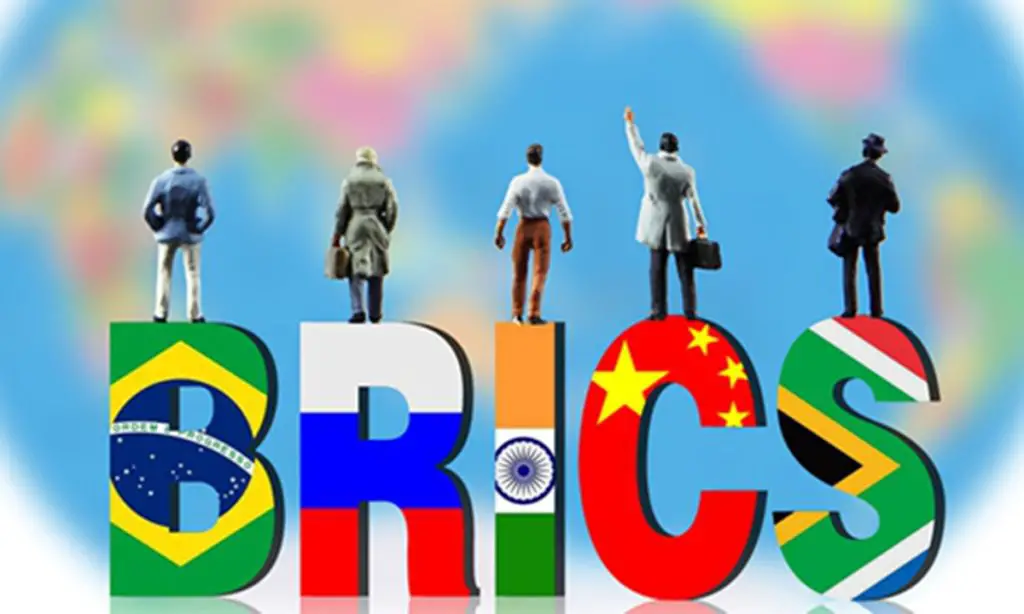
The current large-scale transition of the global economy, principally triggered by the current conflict between Ukraine and Russia as well as the standoff between China and the United States, creates a multipolar world map with new centres of power.
Brazil, Russia, India, China, and South Africa, also known as the BRICS nations, have enhanced industrial and financial might and are pushing for a seat at the global new power axis table. These nations are essential participants in international markets for products, services, and money, having a considerable, sometimes decisive, effect on how the global economy operates.
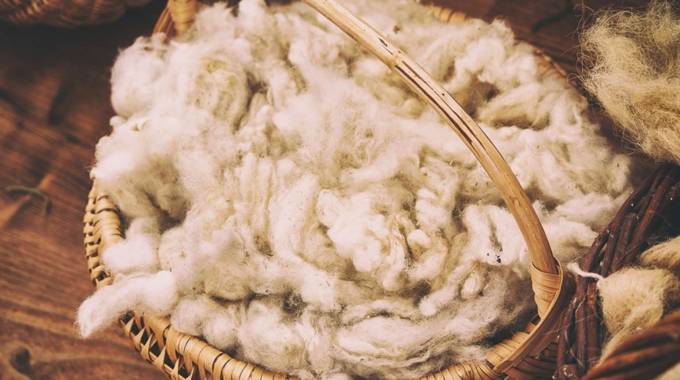
In 2020, Wool was the world’s 653rd most traded product, with a total trade of US$2.5 billion. Between 2019 and 2020, Wool exports decreased by -31.4 per cent, from US$3.65 billion to US$2.5 billion. Trade in Wool represents 0.015 per cent of total world trade.
Wool is a part of fine or coarse animal hair, horsehair yarn, and woven fabric. They include greasy shorn wool, not carded or combed, Degreased shorn wool, not carded, combed, or carbonize, Carbonized wool, not carded or combed, Degreased wool, not carded, combed, or carbonized, and Greasy wool (other than shorn) not carded or combed. In 2020 the top exporters of Wool were Australia, South Africa, New Zealand, the United Kingdom, and Uruguay.
The fastest growing export markets for Wool of South Africa between 2019 and 2020 were China, Eswatini, and Uruguay. In April 2022, South Africa’s Wool exports accounted for up to ZAR205 million, and imports accounted for up to ZAR4.5 million, resulting in a positive trade balance of ZAR200 million. Between April 2021 and April 2022, South Africa’s Wool exports decreased by ZAR-96.2 million (-32 per cent) from ZAR301 million to ZAR205 million, while imports increased by ZAR1.76 million (64 per cent) from ZAR2.75 million to ZAR4.5 million according to data from OEC.World.
The promise of industrialization in East Africa has been on an exponential growth trajectory, remarkably transforming the economies of all…
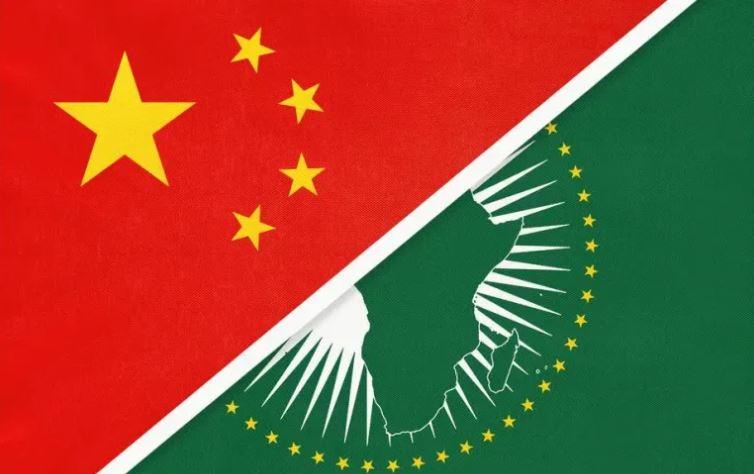
China’s GDP is central to the global economy and especially in Africa The Asian country’s economy is integrated with nearly…
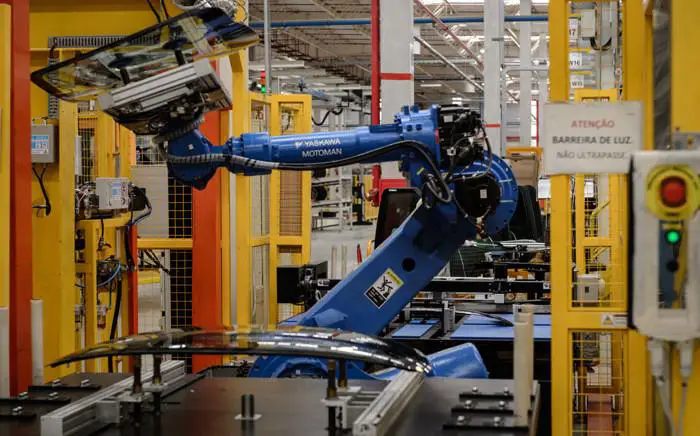
The widespread adoption of information and communication technology (ICT) by manufacturing companies the world-over is driving competition and permanently disrupting…