

Trending
- Silicon Valley’s Tim Draper backs Nairobi blockchain festival, sees Africa as next digital frontier
- Dangote breaks ground on $16bn Lamu refinery as East Africa seeks fuel independence
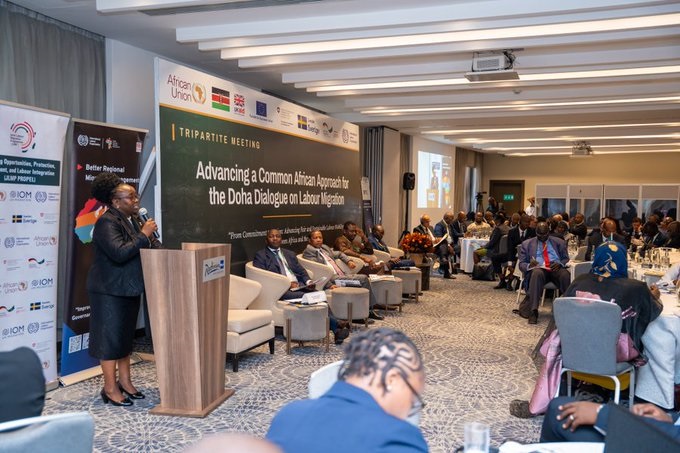
- Gulf and African states meet in Dar to rewrite rules of labour migration
- African governments drive new forest finance progress as global report warns funding globally must scale faster
- Fine Spinners eyes Kenya’s Agoa-backed apparel supply chain with $5m plant
- Why young Kenyan investors need to stop treating the stock market like a betting slip
- Tanzania tax reforms mandate VAT refunds to under 30 days
- In New York, world leaders unveil plan to overhaul global health architecture


Browsing: China
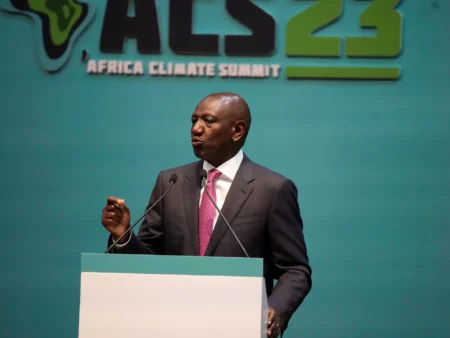
A considerable gap exists between symbol and substance regarding an African climate change approach. Foreign leaders often nod to how Africa accounts for only four per cent of global emissions but bears the brunt of the devastating climate change effects. Rising temperatures, extreme weather conditions, and ecosystem disruptions threaten millions of Africans’ livelihoods.
For many communities across the continent, the climate threat is already existential. With 18 per cent of the global population, Africa has 16 of the 20 countries most vulnerable to climate change, according to Notre Dame Global Adaptation Initiative.
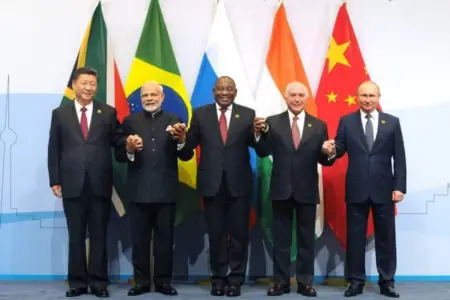
Heads of State from China, Brazil, and India, except Russia will attend the 15th BRICS summit in Johannesburg South Africa,…
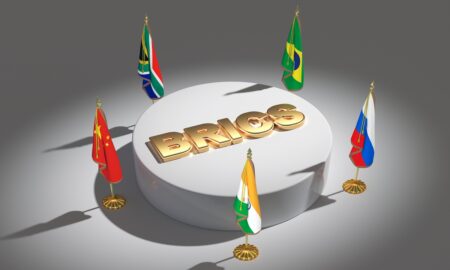
The BRICS countries bear a profound responsibility amid a shifting global economic axis. They have the extraordinary chance to reshape the world order, bestowing more significant equity and amplified voice upon the realms of the Global South.
A defining moment in the global economic axis awaits as the BRICS Summit 2023 gathers in South Africa. It signals the member countries to seize this opportunity to shape an unprecedented global economic governance system, an inclusive, all-encompassing, and efficient system.
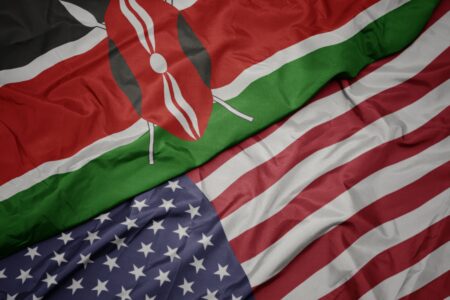
President William Ruto’s election in August 2022 introduced an element of uncertainty in Kenya’s foreign policy landscape. While it is challenging to predict the exact trajectory, his past statements suggest a more pragmatic and balanced approach to international relations. While emphasizing the importance of regional integration and South-South cooperation, President Ruto has also acknowledged the significance of Kenya’s longstanding relationship with the United States. This nuanced stance implies that the government might not abandon the Look East Policy entirely but rather recalibrate to strike a more balanced approach between the East and the West.

China signs deal to reopen closed uranium mining site in crisis-hit Niger. Niger further agrees to give Chinese Company an…

Since President Félix Tshisekedi took power in January 2019, DRC has been pitching and welcoming international and regional investors in…
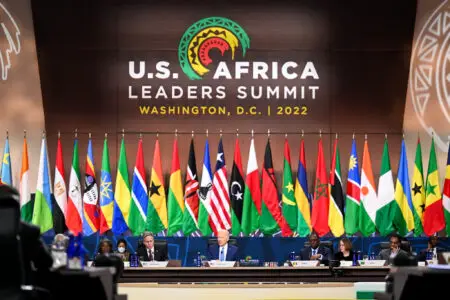
In recent years, Africa has emerged as a promising destination for global investment, with its vast natural resources, expanding consumer markets, and growing middle class. As the continent’s economies continue to strengthen and diversify, global players increasingly recognise the potential for mutually beneficial partnerships. The United States has significantly contributed to Africa’s economic transformation among these partners.
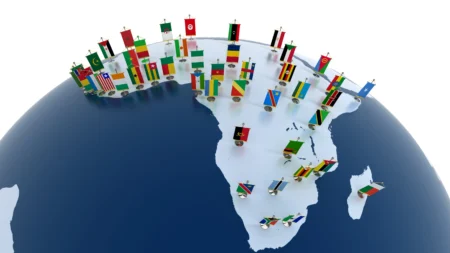
The implications of fragmentation and polarization on Africa’s economic growth and whether these trends will continue are unknown. What is certain is that multilateral organizations will need to continue encouraging international dialogue to promote economic integration and collaboration. As a result, one problem that emerges is whether African nations would adopt a unified stance or take a non-aligned approach in the Sino-American dispute.
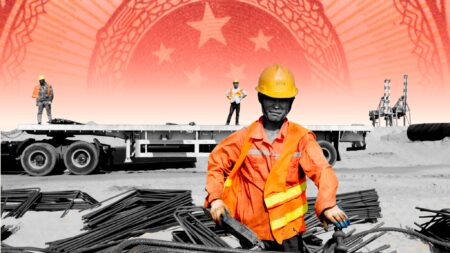
In the last 20 years, Africa’s external debt has grown fivefold to about $700 billion. According to Chatham House, a policy centre in London, Chinese lenders account for about 12 per cent of that amount. As of November 2022, the International Monetary Fund (IMF) and the World Bank considered 22 low-income African countries to either be in debt distress or facing potential external debt distress.
In recent months, the discourse about de-dollarisation has gained momentum. The sanctions against Russia have exposed the danger of over-dependence on the US dollar in international trade. The recent foreign exchange challenges have also recharged the growing efforts to bolster other currencies.
De-dollarisation could soon become a reality. A BRICS substitute to the dollar could enjoy high prospects for success, a former White House adviser, Joseph Sullivan, has noted. Sullivan served as a staff economist at the White House Council of Economic Advisers during the Trump administration. According to him, a potential BRICS currency poses a unique threat to the dominance of the US dollar in international trade.