

Trending
- VALR sets sights on East Africa as blockchain moves deeper into Africa’s financial system
- The cost of the data gap: Why Kenya’s lenders can’t afford to miss the full picture
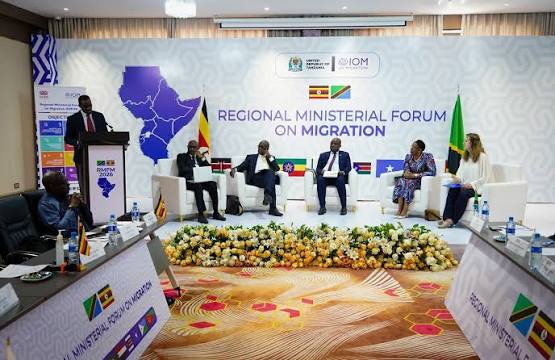
- Tanzania takes EAC labour migration helm as regional rules face overhaul
- 2026 is turning out as a defining year in geopolitics, but for whom?
- Saudi Arabia and Tanzania pledge to deepen bilateral trade ties
- Tanzania rewrites its digital investment playbook
- Ethical sourcing boosting demand for Tanzania organic cotton
- DRC deploys 70,000 Ebola vaccine doses in high-stakes trial against deadly Bundibugyo strain


Browsing: investment
Tharisa PLC will be the latest foreign platinum mining firm to enter and invest in the Great Dyke in Zimbabwe.…

In Nigeria, where an estimated 38 million people, or 36% of adults, remain financially excluded, the government has set a target of 95% financial inclusion by 2024.
While this may seem like an ambitious goal, that will require institutions to re-strategize initiatives and policies to accelerate the delivery of financial inclusion services, a lot of tech-backed firms are being developed in the West African country to help achieve this goal.
Among them is Lagos-based FinTech unicorn Interswitch which seems to have heeded that call, leveraging its position as a market leader in digital payment services to bridge the massive financial inclusion gap and help bring as many people into the financial and economic fold as possible.

Due to the pandemic, the topic of innovation in education has never been more crucial.
While most developed countries moved their classes online with ease, many developing countries have had a hard time adapting to the home-school model due to a lack of infrastructure and the high cost of data.
According to the United Nations Educational, Scientific and Cultural Organization (UNESCO), 91.3% of the world’s learning population was impacted by global shutdowns brought about by the pandemic.
This means that about 1.5 billion students were not in school, a situation that largely impacted developing nations, a lot of which are in Africa.
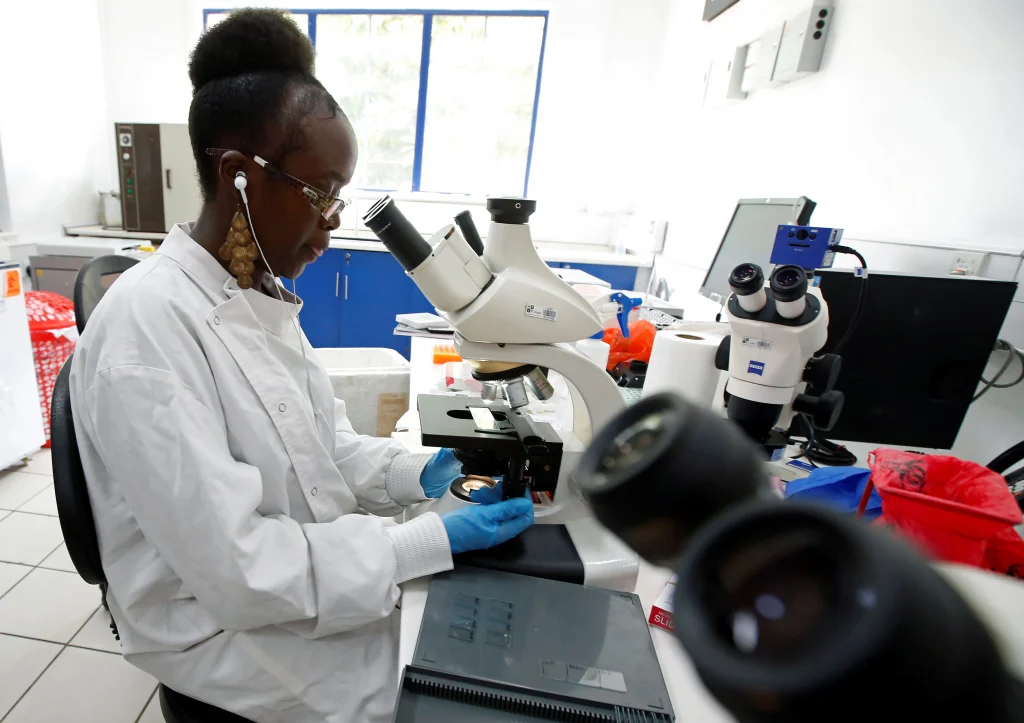
The continent’s digital revolution can largely be driven by building the necessary skills for the short- and long-term future, and this starts in the classroom.
The recent technological influx across Africa, largely boosted by the adoption of mobile phone use, needs to be capitalized upon by the education sector.
This can be achieved through reimagining the education landscape by addressing the challenge of exclusion through increased investment, to achieve quality education in science and technology for all.

Africa’s fashion and textile industry is the second-largest sector after agriculture with an estimated market value of US$31 billion The…

Social commerce may seem like a more foreign concept but it is widely used across Africa Online shopping has gained…
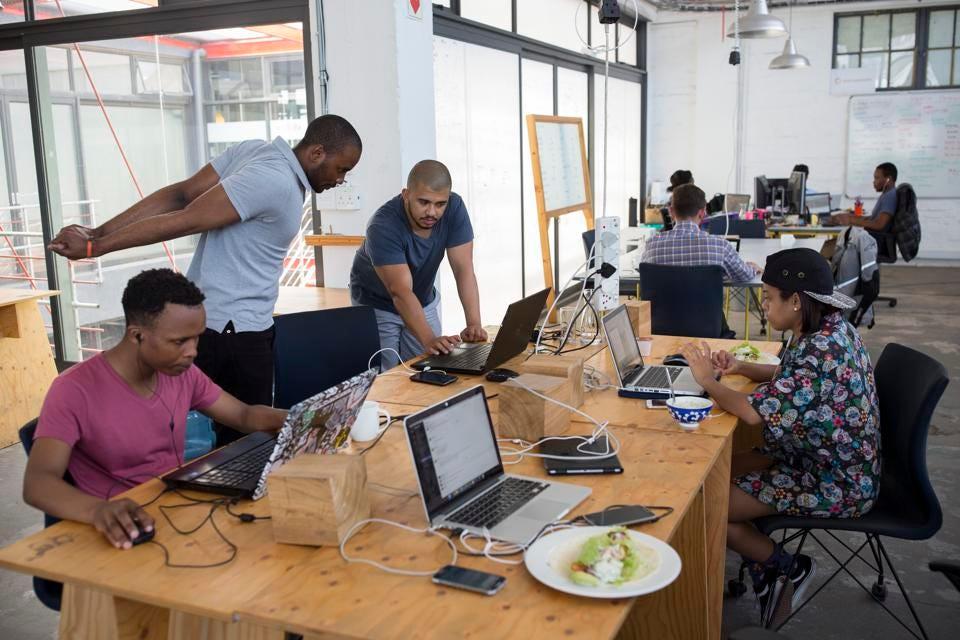
Majority of private equity investment in Sub-Saharan Africa is from outside the continent and represents only a fraction of the…
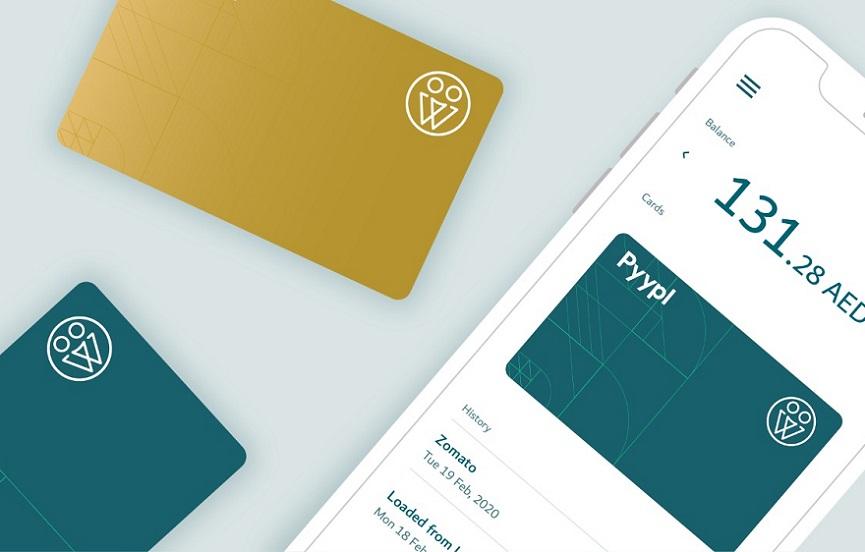
Pyypl uses advanced Artificial Intelligence (AI) and Machine Learning (ML) for regulatory compliance, Anti Money Laundering (AML), and Counter-Terrorism Financing (CTF).
The platform also conducts real-time Politically Exposed Persons (PEP) and sanctions (both country and individual) screening against the latest and historical UNSC, USDT, FATF, OFAC, and EUCFSF records, as well as all local databases.
Fintech startups in Africa have continued to gain a lot of attention from investors who have been pouring billions of dollars to support the industry.
Data by the World Bank reveals that at least a quarter of the African population has internet access, a nearly…
While tech has presented an avenue to create jobs, supply isn’t catching up with demand. Additionally, the continent’s best talents are leaving in droves to foreign companies in the U.S, Canada, the U.K., and Germany.
AltShcool Africa founded by Adewale Yusuf, Akintunde Sultan and Opeyemi Awoyemi last October in Nigeria, has already received more than 8,000 applications for its software engineering program which starts in April.
These applications come from 19 countries (including 14 African countries) and Yusuf said the company received the most entries from Nigeria, Ghana, Uganda, Kenya and Botswana.